
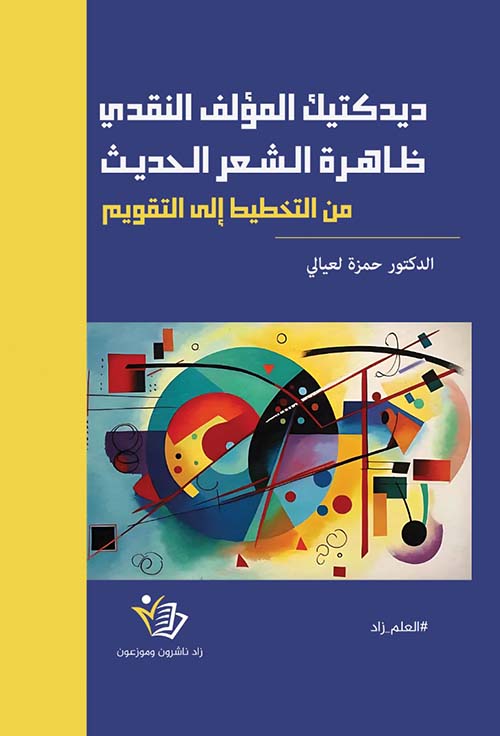
Description
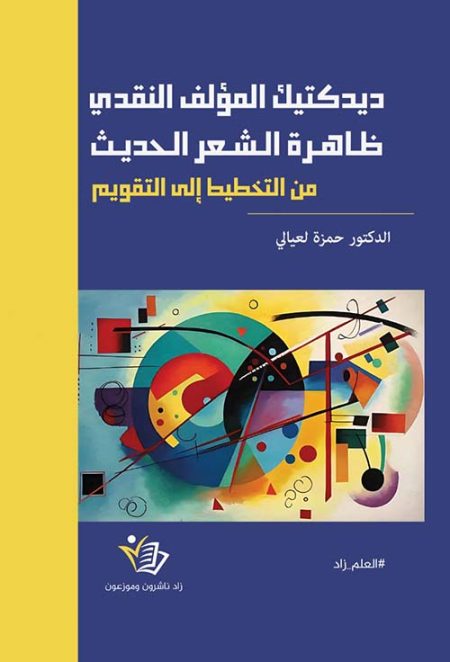
The didactics of the work “The Phenomenon of Modern Poetry” by researcher Hamza Laayali is a pedagogical approach aimed at simplifying and facilitating the teaching of this critical work to second-year baccalaureate students. This approach relies on didactic strategies ranging from planning and implementation to evaluation to address the difficulties of comprehension and reception among learners.
Here is a detailed breakdown of these stages and their application to the book:
1. Planning: Objectives: Defining the targeted competencies, such as enabling the learner to grasp the trajectory of the development of modern Arabic poetry and to employ critical analysis of texts. Didactic Tools: Providing the theoretical text (the author) and utilizing digital resources and media to overcome the dryness of the critical material. Major Structures: Dividing the author’s four chapters into chronological stages that take into account the learner’s comprehension abilities: Chapter One: The Development of Modern Arabic Poetry (Revival and the Self). Chapter Two: The Experience of Alienation and Loss. Chapter Three: The Experience of Life and Death. Chapter Four: The Artistic Form of the Modern Poem (Language, Rhythm, Imagery).
2. Management/Implementation: Introduction (Guided Reading): Recalling students’ prior knowledge of poetic schools and concepts of modernity. Construction (Analytical Reading): Deconstructing the critical text by: identifying the problem addressed by the author; determining the semantic fields and analytical tools used by the author (Ahmed Al-Madawi Al-Majati); and identifying the critical approaches employed (historical, social, psychological, structural). Observed Difficulties: Overcoming the obstacles of linguistic complexity and Al-Majati’s extensive critical terminology by simplifying ideas and guiding students to connect theory with practice (analyzing parallel poems).
3. Evaluation & Support: Formative Assessment: Posing direct comprehension questions during class. Summative Assessment: Training students in the methodology for analyzing a quote from the critical author in standardized exams according to the reference frameworks. Support: Correcting misconceptions and conducting support sessions specifically for students who struggle to grasp the rhythmic or linguistic components discussed by the critic in Chapter Four.




Reviews
There are no reviews yet.