
Description
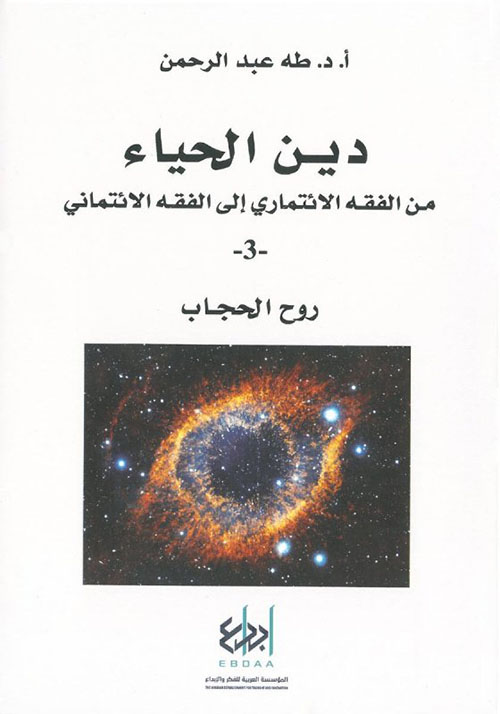
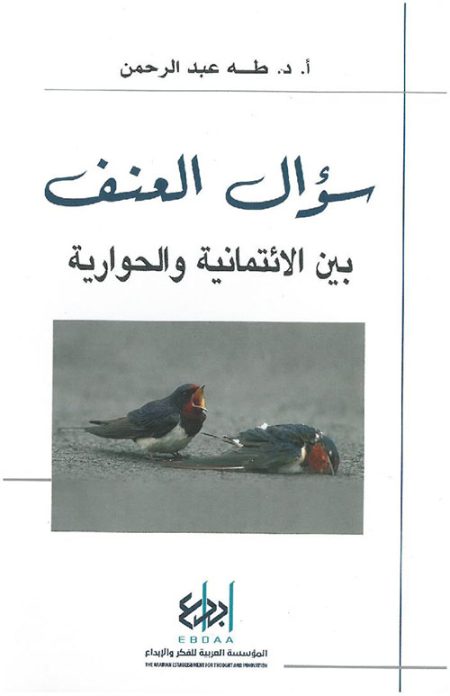
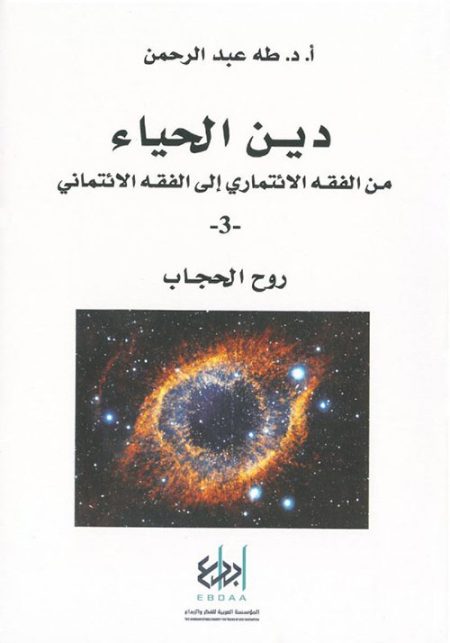
This is the third and final book in the series “The Religion of Modesty,” entitled “The Spirit of the Veil.” In it, Dr. Taha Abdel Rahman addresses the accusations leveled against the veil, responding to and refuting them. He bases his critique on the fundamental idea that the veil is a symbol and manifestation of modesty. In the first chapter, the author explains the relationship between the veil and public appearance, addressing the claims of opponents that the veil is a garment of ostentation, display, and harm, and that it is hostile to the society in which the veiled woman lives. He refutes each of these claims, exposing the contradictions, illogicality, and inverted concepts of the accusers. In the second chapter, he explains its relationship to belief, as those who attack the veil rely on the idea that it violates the principle of secularism to justify banning it in public places and various institutions. The author refutes their arguments and claims about secularism, first, and then refutes their claims of the humiliation and oppression of women and the political use of the veil to occupy public space. In the third chapter, the author explains the relationship between the veil and psychoanalysis as pursued by Freud and Lacan. In truth, what I read in this chapter about psychoanalysis and some of its hypotheses shocked me with their superficiality and absurdity. Chapter Four explains the relationship between the hijab and a society swept by commodification and exhibitionism, and the trials faced by veiled women as a result, including accusations and slander that contradict their very means and aims. In the final chapter, the author explores the hijab’s connection to a perceived sense of loss by describing it as a form of protection and a refuge for women in their Creator. He also offers a profound insight into the marital relationship in light of the hijab, demonstrating how it elevates both men and women to higher levels of perfection.
I wanted to highlight the eloquent language employed by Dr. Taha Abdel Rahman, as well as his remarkable and ingenious blending of rational argumentation and spiritual insight in his presentation of ideas. His masterful arrangement of his own views and those of his opponents is also noteworthy, leaving one with the conviction that he has reached the fullest extent of each idea. Finally, his conclusion, a truly exceptional one, and his acknowledgment of the debt owed to his mentor, the learned scholar, are indescribably sweet, clear, and transparent. This book has expressed the concerns of every woman who wears the hijab and described a new and different relationship for her, one that elevates her to witnessing her Creator in all that she does.
I am grateful for the existence of a thinker and philosopher like Taha Abd al-Rahman in our time, who has reached this level of contemplation and reflection on the texts of the Holy Quran and the Sunnah, guiding us through subtle, divinely inspired understandings and ascending to dazzling, spiritual realms.
And because it is a sign of modesty to acknowledge the merits of those who deserve it, we ask God Almighty to reward our teacher, Taha Abd al-Rahman, with the best of rewards, to grant him a good end in all matters, and to reunite us with him in this world and the hereafter in His pleasure, grace, and mercy. Amen.
Reviews
There are no reviews yet.