
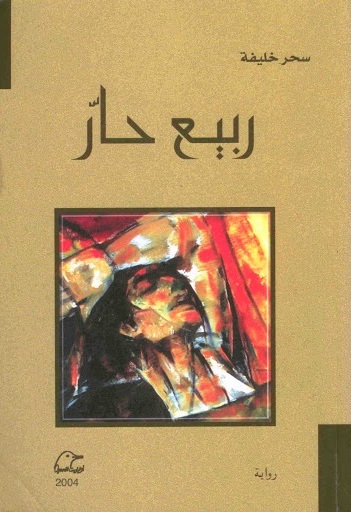
Description
“It was a perfect march, then it erupted and bullets flew, and he started filming. He filmed young men flying over and under trees, hurling stones and glass bottles, with soldiers after them like hunting dogs. One jumped over the wall, another crawled under tires, a third climbed onto a tank… and ten or twenty more here and there like demons, among them children who hadn’t even finished elementary school, their backpacks still on their shoulders.
A peasant woman slapped her face as she greeted the olive trees!” “Oh, the misery of your life, Subhiyya!” The soldier pushed her from the tree, and a bulldozer rolled in to uproot it. Bulldozers are like dinosaurs, with mouths like whales, devouring trees, stones, rocks, and the very earth, tearing it apart, eating what has shifted and broken, throwing what remains to the sides, and then plunging deep into the earth. The beautiful rock! The whale-like jaw shot out and bit the rock like a piece of sugar, its fangs and joints screeching. Pictures, pictures, this is history. Pictures, pictures, the sorrows of the earth. Pictures, pictures, the pain of the people. Pictures, pictures. And Wadih El Safi sings of the beauty of the earth, the beauty of the sky, and the sea breeze. And that well-fed Western woman, Thatcher’s daughter, talks about the environment, about the ozone layer, about humanity. In this atmosphere, there is no environment, no ozone layer, and no humanity. There are only bulldozers that sweep away what remains of health and the remnants of reason. And if reason is lost, what remains? History?
She said religion is history. Let Thatcher’s daughter come forward and show us the conscience of the one behind her as she destroys the Baghdad Museum, human beings, and color. Ozone. They say religion is merciless, meaning our religion is merciless. But Rachel, what about you? Do you have a religion? She said: No religion.
He saw his father in the lens. His father was part of a march, then he turned to embrace the house. He sat on the threshold, cross-legged. He said the bulldozer would only pass over him, over his body. That’s what he said that time, then he backed down. But here, this time, he did what he said. The rush, the people’s screams, the tanks, the army’s bullets and stones gave him strength, and he lost his mind. The soldier grabbed him by the neck and dragged him like a sheep as he resisted. He saw him kicking him with his boot and remembered the Nablus trip in the gas truck. The beating with the boots is very painful, especially in the stomach and intestines. He saw his father vomiting. He quickly ran towards the scene, but the soldiers were like a barrier. He saw the girl, Thatcher’s daughter, running to the house to protect his father. She opened her arms like a cross and started shouting, “Stop, stop…” But the bulldozer advanced, “Stop, stop…” Like an earthquake, it pounded the earth, splitting it, and walked like a rook, staggering like The ghouls. She walked to meet them like a cross, her arms outstretched, her blond hair flying in the glare. The bulldozer approached slowly and wobbly, and that driver was at the top of the head, a glass head gleaming in the sun’s heat. That driver also gleamed, wearing glasses like a frog and a sea diver.
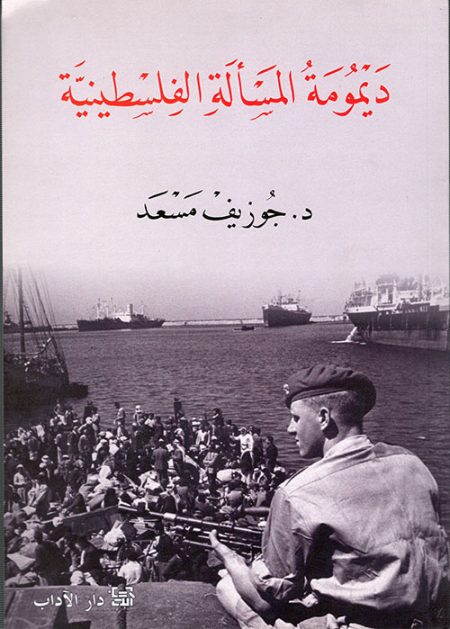
This novel takes place in the period following the collapse of the Oslo Accords in occupied Palestine, and the subsequent siege and invasion of Palestinian cities and villages under the Palestinian Authority, the bloody massacre in Old Nablus, and the siege of President Arafat in Ramallah.
As is her custom, Sahar Khalifeh chronicles the historical events in their various stages in occupied Palestine through characters who embody the Palestinian reality in its weakness and strength, and its desperate struggle for freedom, liberation, and human dignity.
This novel sheds light on the background from which suicide operations originate and answers the questions raised in the international arena about resistance, martyrdom, and what the West calls terrorism.
Reviews
There are no reviews yet.