
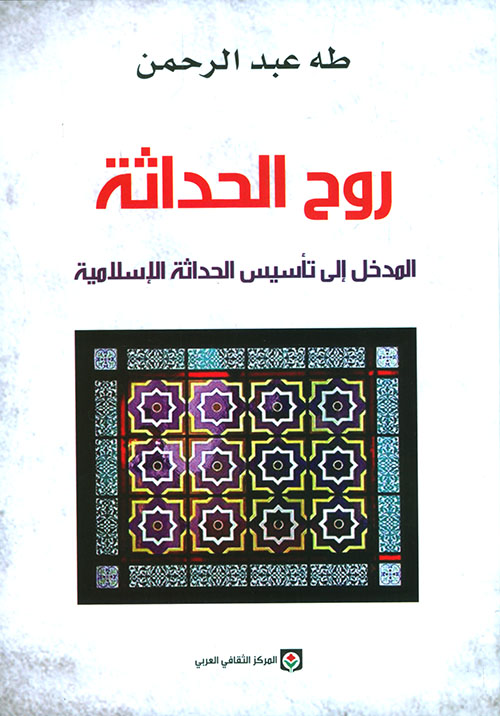
Description
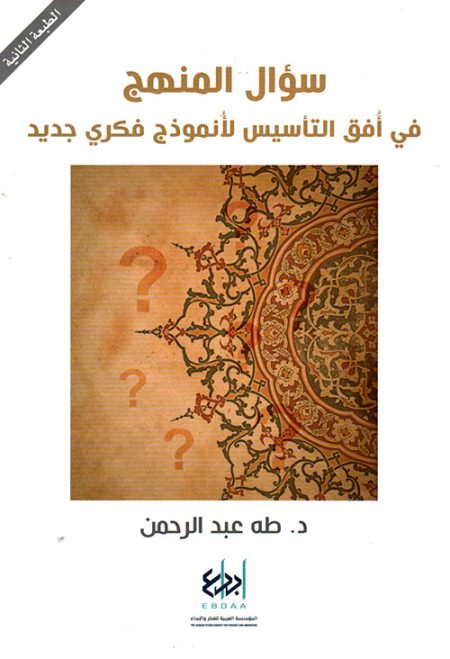
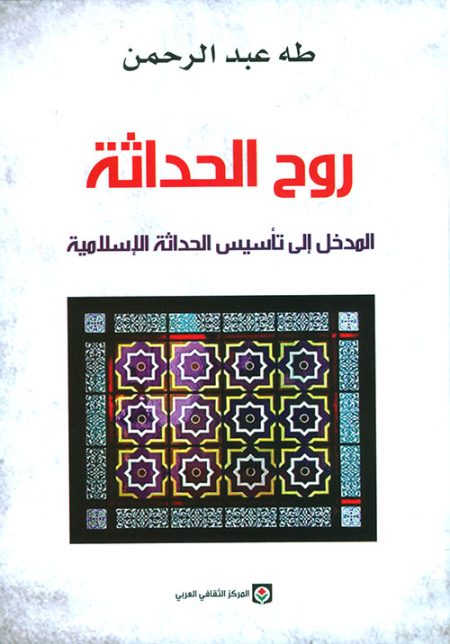
If traditionalists imitate the ancients, then modernists imitate the moderns. Indeed, the modernists’ imitation seems even more reprehensible than the traditionalists’, because, according to their definition, modernity and tradition are opposites that cannot coexist, while, according to their assertion, tradition and heritage are inseparable.
This book seeks to enlighten modernists about their adherence to rigid tradition, thereby opening up a space for creativity. It does so by distinguishing between the “spirit of modernity,” which must be preserved, and the “reality of modernity,” which can be abandoned in favor of another reality no less modern. The book also aims to liberate traditionalists from their own stifling tradition, opening up a space for independent reasoning (ijtihad) by applying the spirit of modernity within the framework of Islamic discourse. For this application, the author selects distinguished models, demonstrating how this spirit can permeate Islamic society as it previously did Western society. Moreover, he argues that this Islamic application elevates the spirit of modernity in ways that its Western application cannot, as it is protected from moral pitfalls and allows for the humanistic manifestations of this spirit. Taha Abd al-Rahman’s new book lays the foundations for Islamic modernity, following his earlier work, “The Question of Ethics,” in which he elaborated his critique of Western modernity. The reader will notice that the two books complement each other in content and context. The author’s critique of the first serves only to pave the way for the present work. Secondly, his approach even seems to be the very foundation of his critique.
Reviews
There are no reviews yet.