
Description
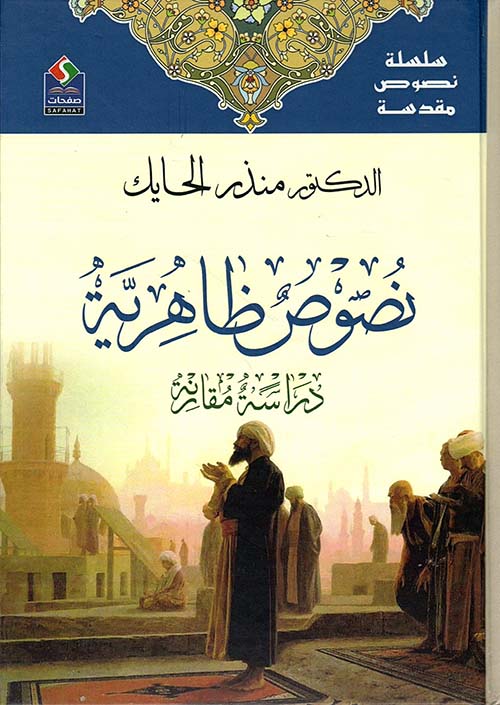
Although the Islamic schools of thought agree that the foundation of Islamic legislation is the Quran and Sunnah, they differ on the subsidiary sources of legislation, leading to the proliferation of Sunni schools of jurisprudence based on scholarly interpretations. Many such schools existed in the past, and among the most important was the Zahiri school, considered one of the most prominent Sunni schools, with some even deeming it the fifth Sunni school. The first to articulate the Zahiri school and its rulings was Imam Dawud ibn Ali al-Isfahani, a contemporary of Imam Ahmad ibn Hanbal. Dawud advocated adhering to the literal meaning of the Quran and Sunnah, rejecting reliance on rational arguments, personal opinion, and interpretation, which he considered speculative. The Zahiri school spread throughout the Islamic world and carved its own niche among the major schools, even appearing to become the dominant school in Khurasan and Iraq. However, it declined until it was revived in Andalusia by Ibn Hazm, a prominent jurist and reviver of the school.













Reviews
There are no reviews yet.