
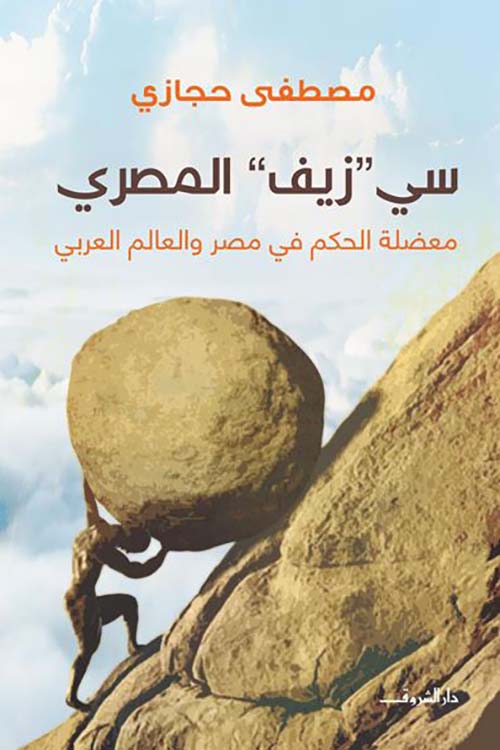
Description
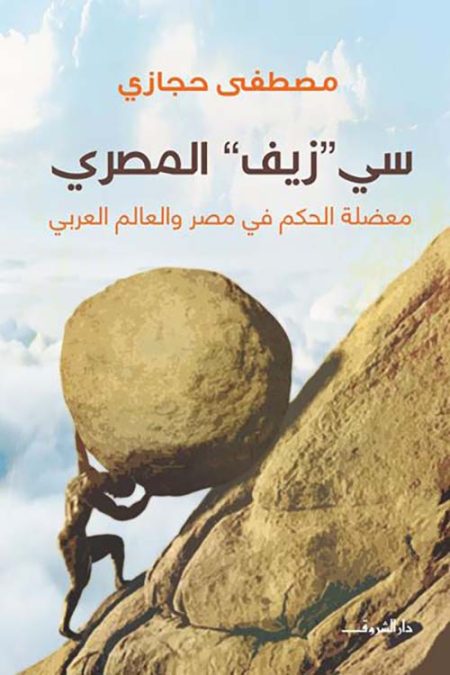
This book discusses the crises of political governance in Egypt and the Arab world from a critical analytical perspective. It raises fundamental questions about the nature of power, the concept of sovereignty, legitimacy, and the imbalance between the right to govern and the duties of the ruler. Hegazi explores how governance often devolves into a struggle between theory and practice, between what the political system is supposed to be and what it actually is, influenced by factors such as the current political culture, societal consciousness, ideology, the role of institutions, and elites.
The author emphasizes that the obstacle lies not only in laws or constitutions, but also in customs and traditions, and in the collective mentality that accepts prevailing assumptions without question. This makes “real politics”—that is, genuine change in the balance of power and interests—seem unattainable. He also presents his vision for the future through the triad of dream, homeland, and people, pointing out that changing the political reality must begin with a simple shift in the consciousness of the citizen and society, not merely a superficial change in the systems of governance.
The style blends factual narrative with theoretical analysis, employing examples from contemporary history and Arab politics. It may also compare different (or weak) civic experiences to highlight the obstacles and pitfalls of governance. The vision it presents is not entirely pessimistic; rather, it includes a call for reform, accountability, and community engagement as part of the solution.
Reviews
There are no reviews yet.