
Description
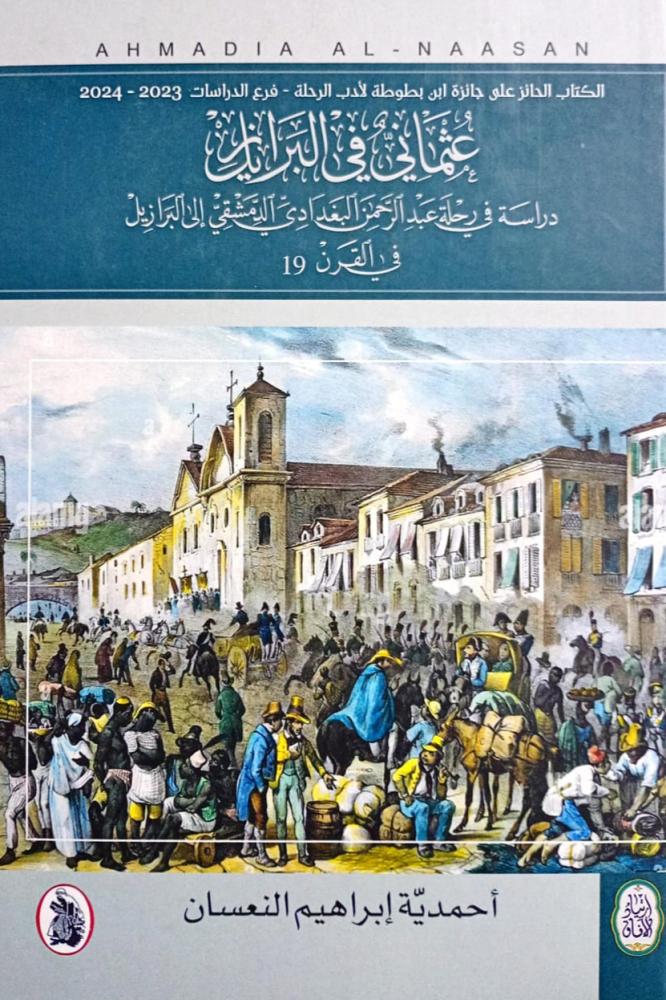
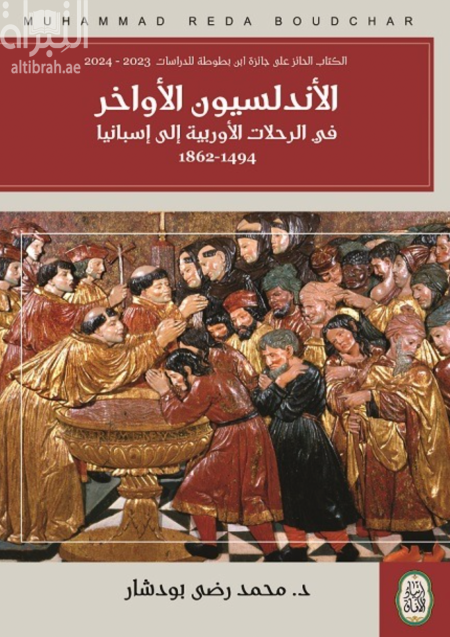
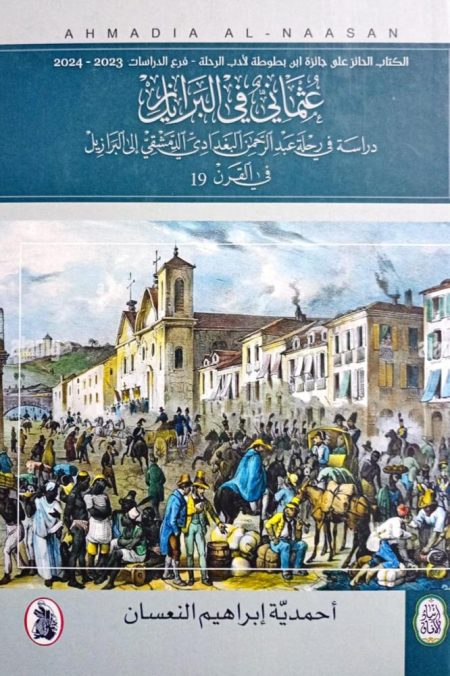
This is a comprehensive study of a rare travelogue concerning Brazil, dating back to the mid-19th century. It documents the journals of the traveler Abd al-Rahman ibn Abd Allah al-Baghdadi al-Dimashqi, who sailed from Asia to the Americas aboard a vessel belonging to the Ottoman Imperial Navy. He arrived at the port of Rio de Janeiro in 1866 and spent approximately three years in Brazil, before returning to Istanbul in 1871—a journey that included stops in Spain and various other locations. He recorded the events of his Brazilian expedition in a work titled *Musalliyat al-Gharib fi Kull Amr ‘Ajib* (“The Traveler’s Entertainment Regarding All Things Wondrous”).
The study employs two methodological approaches: an external, historical-comparative approach, and an internal, structural-linguistic one. It draws upon a substantial body of prior research and an extensive collection of documents in various languages, sourced from national archives and libraries in Turkey, Britain, Lebanon, Syria, and the Netherlands. The study contextualizes the text by examining the general conditions of the nineteenth century in both the country of origin and the destination. It explores the author’s biography, his intended and actual journeys—including a previously unrecorded trip to India (1876–1877)—and sheds light on his persona as a poet. Furthermore, the study meticulously reconstructs the itineraries and missions of the two ships, *Bursa* and *Izmir*, during their voyage from Constantinople to Brazil. It also compares various manuscript versions with published editions in Arabic, Ottoman Turkish, and modern Turkish, highlighting key discrepancies and their implications.
The study further addresses the literary dimensions of the text, analyzing its hybrid genre—travel literature—through an examination of its themes and narrative techniques. It highlights the linguistic fluidity characteristic of nineteenth-century travel writing, specifically regarding lexicon and syntax, while also exploring rhetorical, prosodic, phonetic, and morphological features, as well as the author’s unique alternatives to standard punctuation. For her critical edition and study of this travelogue, the researcher was awarded the Ibn Battuta Prize for Travel Literature.
Reviews
There are no reviews yet.