
Description
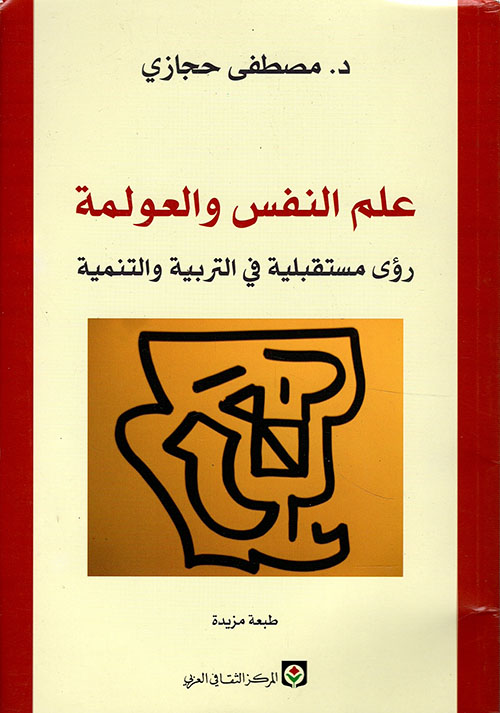
The transformations brought about by globalization have made knowledge the most important power for any society, and cognitive competence has become a key requirement for building the future. This competence is not limited to the scientific level alone, but extends to developing creativity and creating an atmosphere of freedom that allows members of society to unleash their potential, the suppression of which is a major cause of psychological illnesses.
With these transformations, it has become imperative to reconsider the functions, philosophies, and practices of psychology in the Arab world. This is because this science was imported as it was formulated and developed in the West, to serve needs that are both shared and universal, as well as those specific to those societies. In addition to its role at the individual level, psychology is tasked with uncovering the mechanisms of control exerted on individuals, in order to reveal their impact on development and societal resilience. It also has a crucial role in courageously confronting the power structures that exploit their populations and prevent them from unleashing their vital energies, particularly among young people who lack the opportunity for free self-expression in their societies. These young people are thus driven either to emigrate or to live within the world offered by social media, satellite television, and the internet, without actively contributing to the activities of their communities.
This book presents a range of future visions in education and community development, higher education and knowledge, youth and the cultivation of creativity, and mental health, examining current practices and future options. It focuses on the importance of building a personality capable of navigating the challenges of globalization by fostering growth that can shape the future.











Reviews
There are no reviews yet.