
Description
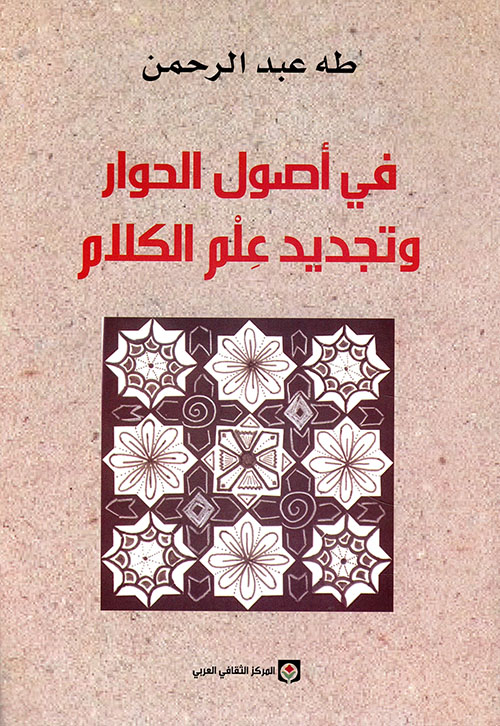
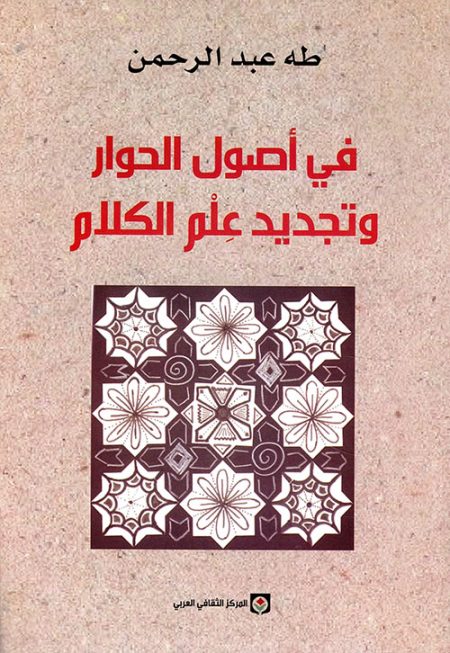
Human communication encompasses three functions: communication, demonstration, and guidance. These functions found their most refined expression in the Islamic-Arabic form of this communication, known as debate. The author, Dr. Taha Abd al-Rahman, then sought to establish a model of human communicative behavior, dividing it into three levels: dialogue, discussion, and exchange. These levels correspond to a tripartite classification of theories prevalent in discourse analysis, which he termed, respectively: the incidental theory, the objectional theory, and the contradictory theory.
He further developed this model through a detailed study of the foundations of theological methodology in the practice of dialogue, evaluating this methodology from the perspective of argumentation theory and modern conversational logic. He also elaborated on analogical reasoning, extracting some of its fundamental elements such as evidence and analogy, and establishing the logic of analogical theories among theologians. He concluded his research by deducing some of the principles of intellectual engagement among Muslim scholars, thereby refuting claims prevalent among researchers regarding the Arab Islamic heritage, such as the claim that this heritage is “literal” and the claim that it is “legitimate.”


Reviews
There are no reviews yet.