
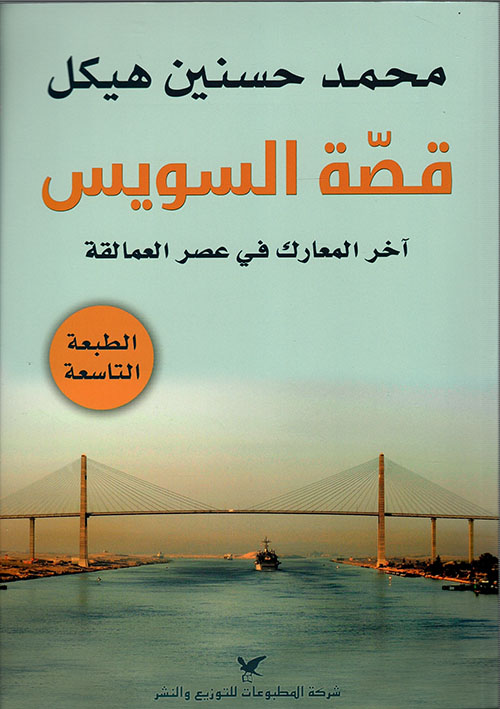
Description
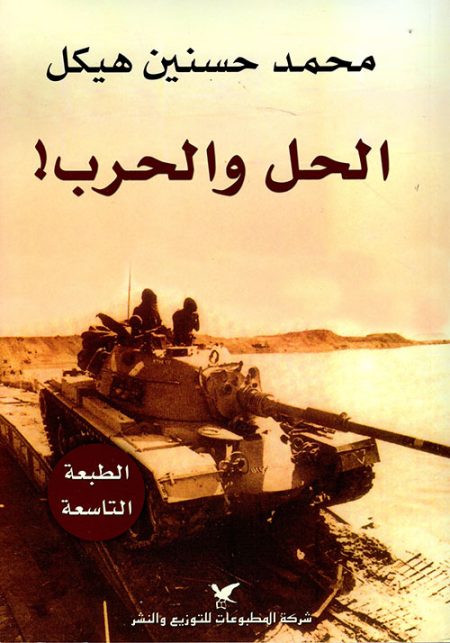
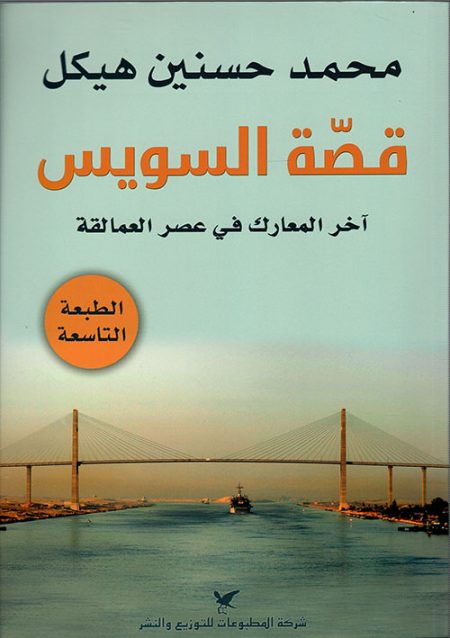
In the introduction to his book, Mohamed Hassanein Heikal says that he returns to the story of Suez on these pages on one of those occasions when people usually like to recall memories, turn the pages of the recent past, contemplate its images, and visualize its scenes, on the twentieth anniversary of this war. And the twentieth is his reading of the period of the Battle of Suez with all that it contained, meant, and symbolized in its days and up to this day. Twenty years, a cycle of time, has its own unique rhythm, one that can be calm and measured, free from haste and eagerness, far removed from the pressure and insistence of seeking psychological influence. In this way, it is closer to the word of history than to the cry of politics. This is the difference between politics and history. Any event remains “political” as long as it is under the control of decision-makers and those who influence them, at the top or nearby. But when it escapes this control, it becomes “history,” something difficult to control, because it adds to the accumulated experience of peoples, nations, and homelands. In this discussion, Mohamed Hassanein Heikal clarifies that he is not attempting to write a complete history of Suez in this book, but rather to outline a great story that is no longer under the control of “politics,” but has moved, even if only slightly, beyond its grasp and taken a step or two toward the realm of history.

Reviews
There are no reviews yet.