
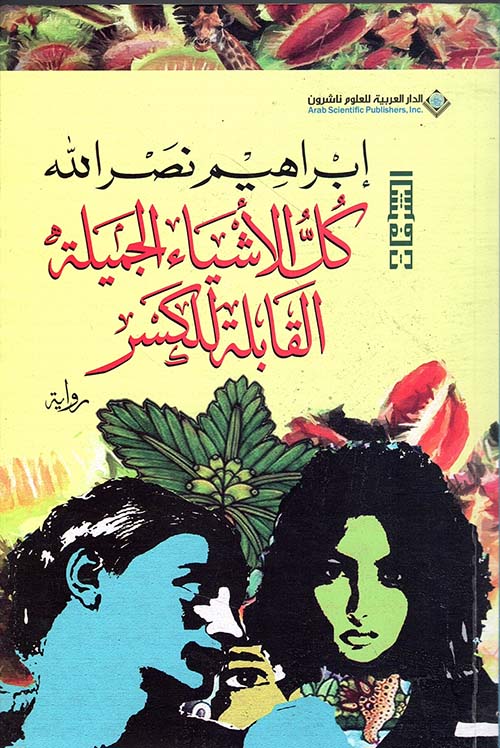
Description
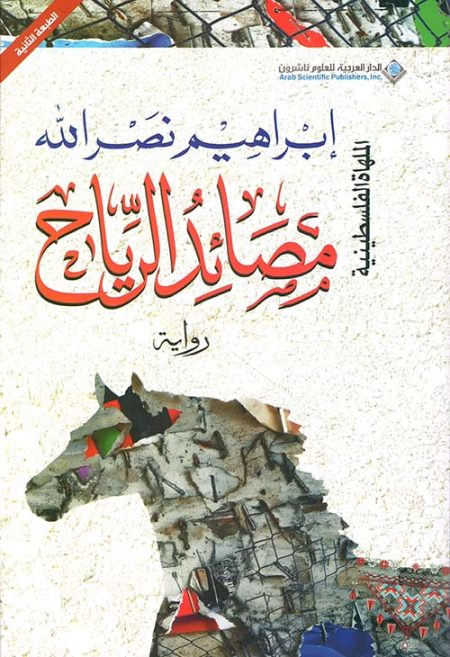
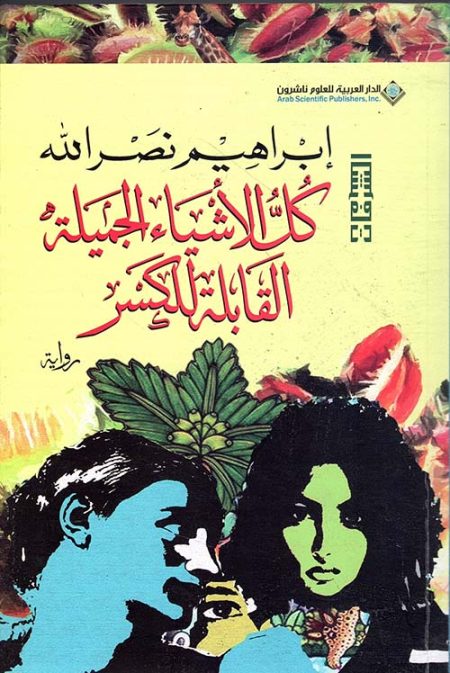
In every human being, there is something of the two protagonists of this novel, which journeys back to the very beginning, not merely to contemplate it, but to contemplate us today. A novel written with insight about the tragedy of expulsion from Paradise, sometimes with the anguish of tragedy, sometimes with dark irony, for we are all products of that first tragedy, and each of us has our share of it. Thus, Adam and Eve are not behind us, but with us here in the twenty-first century, as if what is happening today is what they lived through, or as if we are each of their memories and reflections. How can “now” be a memory of the past, just as the past is a memory of every “now”? This is what Ibrahim Nasrallah presents in this timeless novel, far removed from the somberness of writing about tragedy, with laughter that resembles weeping, and weeping that contains many traces of laughter. It is a journey into humanity as much as it is a journey through time, in which the omniscient narrator, with all his knowledge, is present in this astonishing trilogy that bears his name. Thousands of years separate the events of the first part from those of the second, published under the title “Wind Traps.” Each part of the omniscient narrator’s trilogy appears independent, but reaching its meaning will not be complete without dwelling on all three stations sequentially. Two parallel rivers flow through the entire trilogy: the river of humanity with its transformations, and the river of the omniscient narrator with his own transformations. Before and after all this, it is a journey to rediscover us, to rediscover the capacity for wonder, and to rediscover beauty before it fades.
Reviews
There are no reviews yet.