
Description
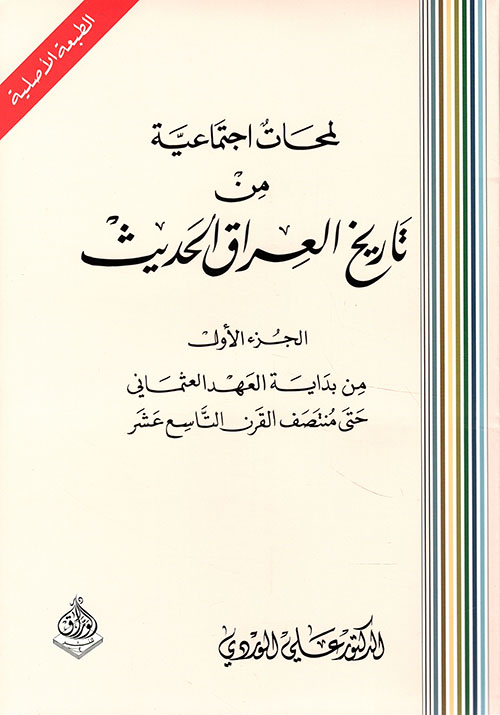
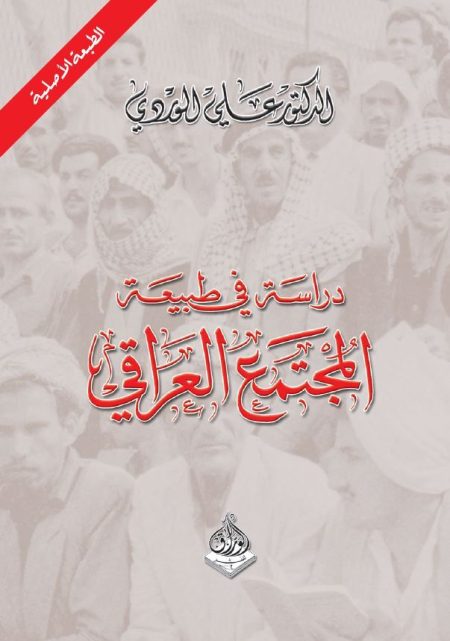
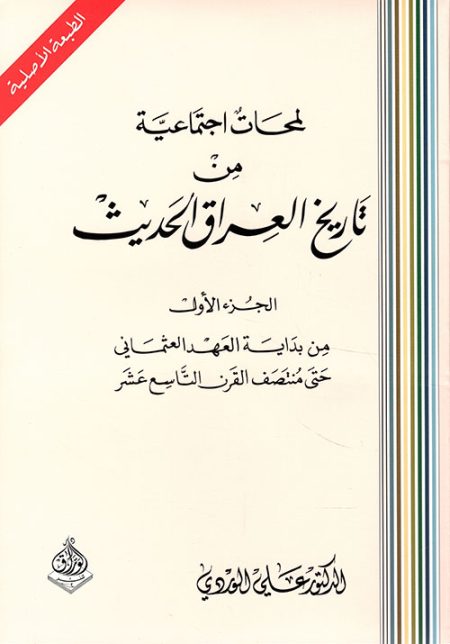
In his study of Iraqi society, Dr. Ali al-Wardi realized the impossibility of understanding the society in its current state without understanding the events it experienced in its past eras. Each of those events inevitably had some influence, whether large or small, on people’s current behavior and thinking.
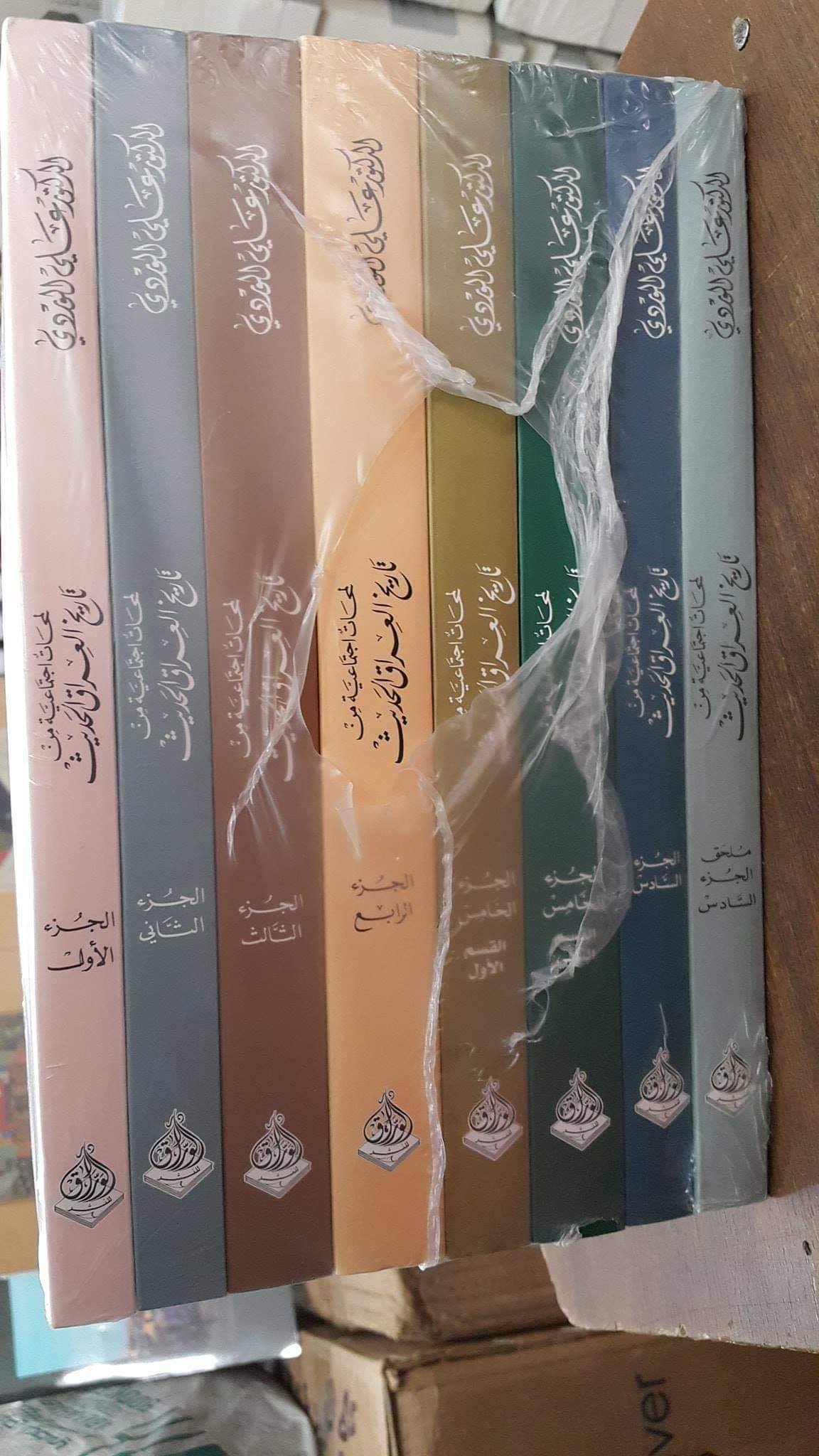
Therefore, he dedicated himself to a historical analysis, drawing from the depths of a profound social study, examining the social reality in Iraq in light of historical events from the beginning of the Ottoman era to the present day. His work comprises six volumes. The first two volumes each cover a relatively long period, extending from the beginning of the Ottoman era until approximately the mid-nineteenth century.
He began his study with this period because the study of the Ottoman era is considered one of the most closely related to the reality of contemporary Iraqi society, as Iraqis still live within its social heritage, and many of them still think in ways similar to those they did during that era. The third and fourth parts cover a period of thirty-eight years, beginning in 1876 when Sultan Abdul Hamid ascended the Ottoman throne and ending in 1914 with the outbreak of World War I. This was a very important period socially, as Iraq was exposed to a wave of modern European ideas, inventions, and systems, leading to a significant change in the lives of its inhabitants, both materially and spiritually.
In the fifth part, Dr. Al-Wardi examines the Iraqi Revolution of 1920, known as the “Twentieth Revolution.” His approach in this part is to recount the events as they occurred, without bias, while taking into account the nature of the society in which they took place. The sixth part covers the four years between 1920 and 1924, a crucial period in modern Iraqi history, as it was during this time that the Iraqi government was established and its system of governance became firmly established.
The appendix in the seventh book is titled “The Story of the Sharifs and Ibn Saud,” but it actually serves as an appendix to all parts of the book, both preceding and following. This is an examination of events that occurred in the Hejaz, Najd, and Syria, all of which are closely related to Iraqi society and its events, from the Safavid-Ottoman conflict to the July 14th Revolution. It can be said that these events shed considerable light on the events in Iraq and contribute to their understanding. They may also help the reader grasp some of the complexities and problems of human nature in general.
In general, this appendix includes extensive details about the conflict between Hussein bin Ali and Abdul Aziz bin Saud, a conflict that can be considered a model of the struggle for survival among humans, where each side believes that it alone possesses the truth and that its opponent is in the wrong.
The chapter on the events in Syria is the longest in this appendix. It examines the period during which Faisal bin Hussein ruled Syria, a period that lasted approximately two years, from October 1918 to July 1920. It was a turbulent period full of lessons, and every Arab reader should be familiar with its events and reflect upon them.
The first two chapters of this appendix attempt to study an aspect of the history of the Sharif of Mecca.
Reviews
There are no reviews yet.