
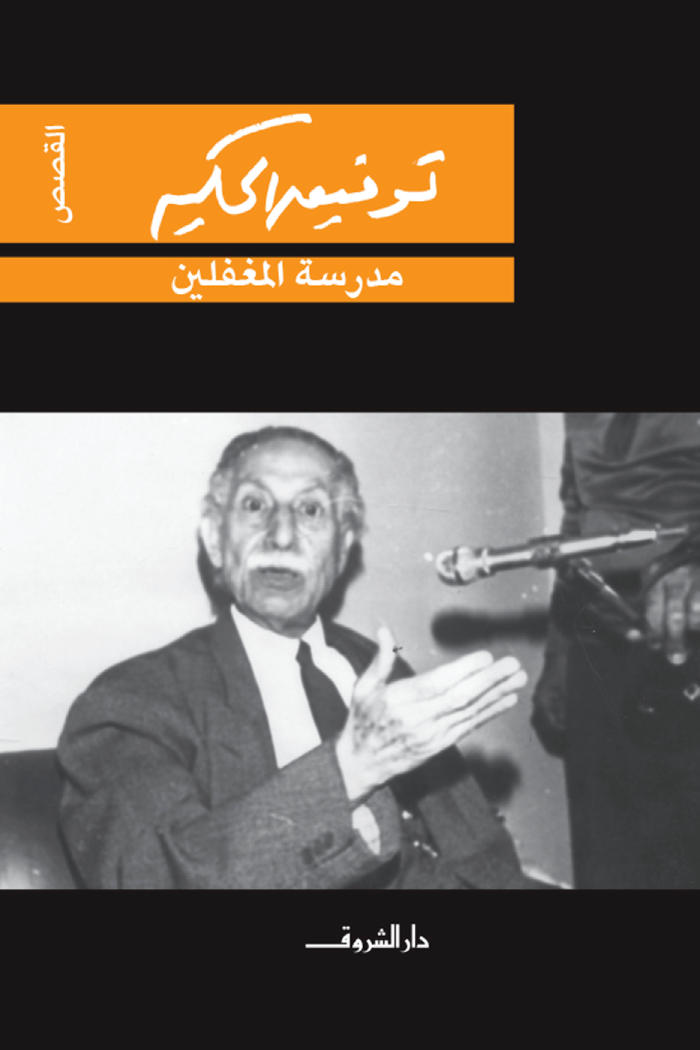
Description
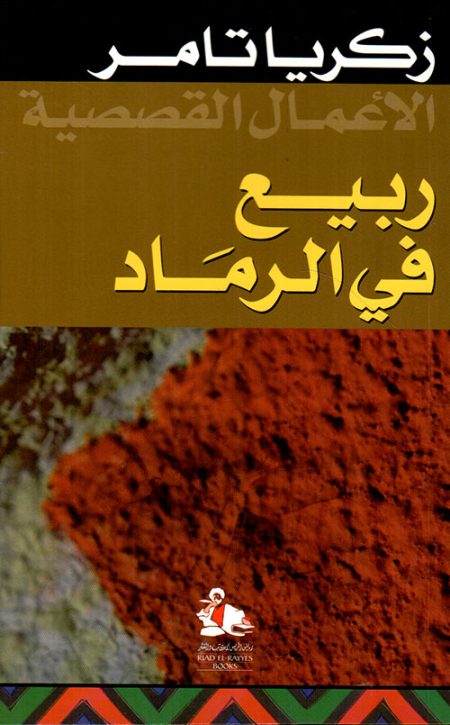
There is a fundamental difference between portraying society and portraying life. Those who portray society must adhere to what they have seen, witnessed, and experienced if they wish to be truthful, and must not delve into environments or social classes they are unfamiliar with. Observing reality is a prerequisite for social portrayal.
Postering life, however, is broader in scope and richer in scope; it is not limited to the boundaries of reality alone, but encompasses what transcends the tangible into the realms of the spirit and imagination. Human life, unlike that of plants and animals, does not stop at physical existence, but extends to include visible and invisible dimensions, both material and spiritual. Perhaps the secret to the enduring appeal of Shakespeare’s tragedy “Hamlet” lies in its comprehensive embrace of aspects of human existence, from instincts and emotions to fantasies and visions, from contemplating earthly affairs to reflecting on what lies beyond death.
Human life is the most wondrous and expansive thing in the universe, and the short story—as a concise and focused art form, like drama and poetry—is called upon to capture from this life what reflects its essence in society and existence, despite the difficulty and precision involved.

Reviews
There are no reviews yet.