
Description
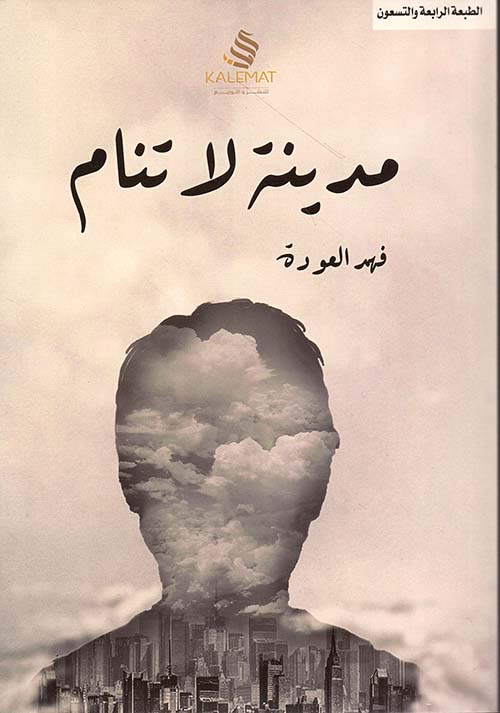
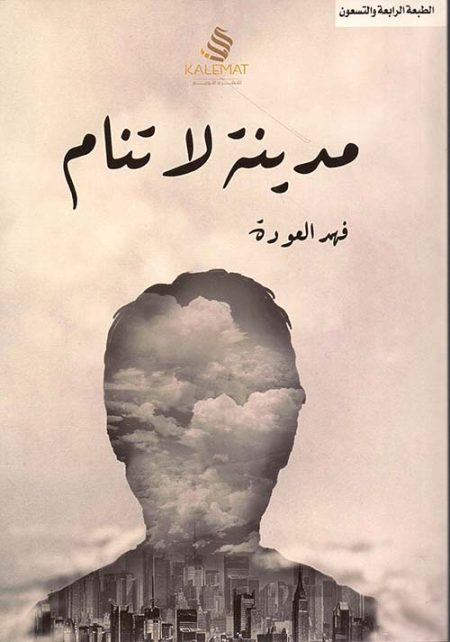
Fahd Al-Awda works on the nebulous areas of the human psyche, bringing to light in “A City That Never Sleeps” the hidden, the suppressed, and the unseen of feelings and emotions. If we consider the introduction as the gateway to understanding, interpreting, and explaining the text, then we can say that the poet Al-Awda succeeded in addressing the reader with a specific meaning when he said: “We are now writing for the absent; so who will write us when we are gone?!” Through this problematic question, Fahd Al-Awda establishes his poetic landscape, in which the text, imbued with meaning and sound, intertwines. He seems haunted here by voices, faces, and things, drawing out a number of meanings to form, artistic, and sonic values that will enrich the inner meaning of the texts, in which all the poet’s emotions and thoughts, filtered from the shadows of living language and the sensory proximity between word and thing, are fused, establishing the dialectical relationship between them. In this sense, we are faced with visions that embody the philosophy of poetry as it reads human reality…



Reviews
There are no reviews yet.