
Description
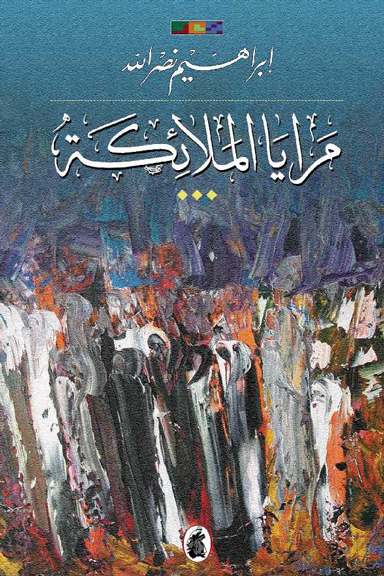
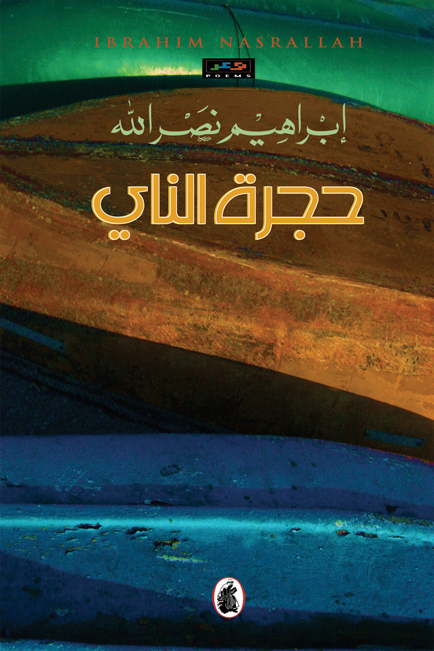
Does writing begin with rules of writing, if any exist, or with a desire to express itself without rules? Does writing rely on a time of calm and tranquility, or must it reconcile itself with another, more sublime and majestic time, one built on human suffering and an endless daily death? This book explores different questions. Its primary aim is to present the testimony of a writer who lived through the events of the Palestinian Intifada (before he captured them) in juxtaposed poems. Its secondary aim is to engage with a human tragedy worthy of contemplation. Ibrahim Nasrallah writes as the sorrowful Palestinian outpouring dictates. He leans towards poetry at times, approaches prose, and adopts the logic of storytelling and narrative. But throughout it all, he is preoccupied with human suffering and the right to exist. The story of the famous Palestinian girl, Iman Haju, with whom he engages in various ways, is nothing but a mirror reflecting an unjust era that stifled justice, the children of Palestine, and many other values. Here, the writer’s and the writing’s ethics are revealed, and a national memory emerges, sometimes championed, sometimes consigned to oblivion. Ibrahim Nasrallah addresses simple, grieving people, wanting to be with them and among them simultaneously, far removed from the writer who celebrated words and pardoned humanity.
Reviews
There are no reviews yet.