
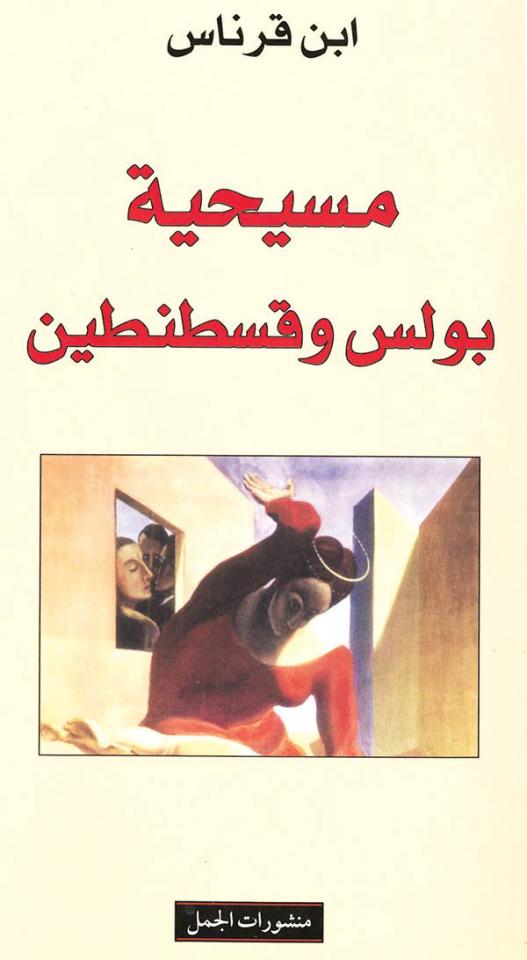
Description
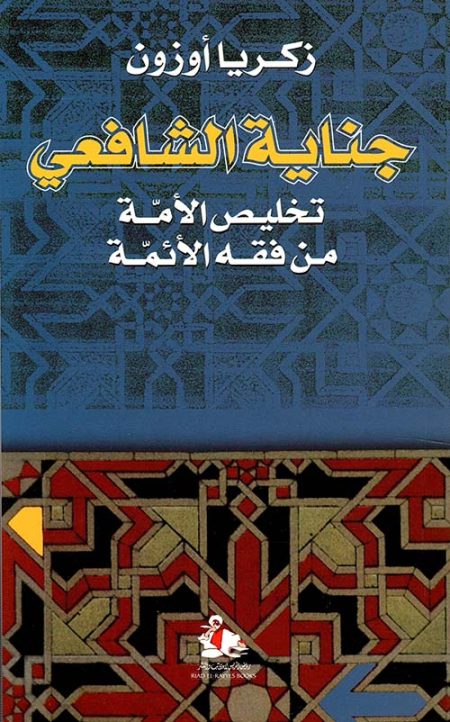
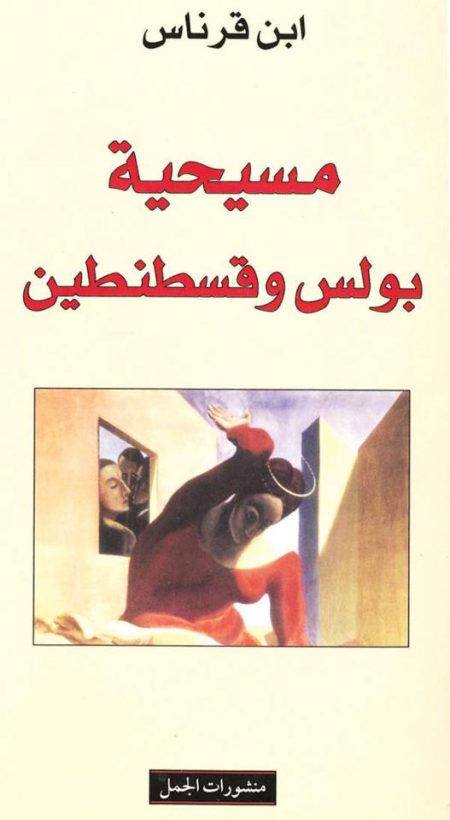
Ibn Qurnas argues that Christianity today is a religion fundamentally different from even that preached by Paul, or Saint Paul as he is now known among Christians. Christianity could have been considered a pagan religion like Buddhism or Hinduism, were it not for its adoption by Westerners. They work to spread their culture, heritage, and way of life among other peoples as a form of subservience to their scientific, cultural, and intellectual superiority. Therefore, they have succeeded in portraying Christianity as a symbol of mercy, and the cross has become its emblem, representing healing, salvation, and rescue. People flock to it, even though anyone wishing to convert must abandon their reason, because the foundations of this religion are incompatible with logic. The author also points out that calling the religion Christianity is not accurate, as it should be attributed to its propagator, Paul, in which case it would be called “Paulianism,” and its followers would be called Paulites.
Is Christianity truly an extension of the religion of the followers of Jesus, son of Mary? And is Jesus the same as Jesus? In this book, Ibn Qurnas attempts to demonstrate that many hidden truths contradict what people have known and inherited about this religion for centuries.
In the second section of the book, Ibn Qurnas examines testimonies from the Christian Bible. He cites Mark, who, in his first testimony, confirms Jesus’ marriage by describing what happened at the wedding ceremony. The second testimony he uses comes from the Gospel of John, which asserts that Jesus’ native language was not understood in Palestine, implying that he was a stranger there. It also confirms that he came to Palestine as a young man with the intention of rebelling against Roman rule. The author then reviews the Gospel of Matthew, concluding that Jesus was not the prophet Jesus, nor was he born of a virgin. Rather, he came to Palestine seeking the throne, but Jews (not Israelites) arrested him, handed him over to the authorities, and he was sentenced to death by crucifixion.
In the third section, Ibn Qurnas presents the Quranic account of Jesus, son of Mary, and compares it with what the Bible says about Jesus, asserting that there is no connection between the two Jesuss, neither in place, time, nor belief. The fourth section explains how the idea of what came to be known as Christianity was born: its motivations, goals, followers, and propagators.



Reviews
There are no reviews yet.