
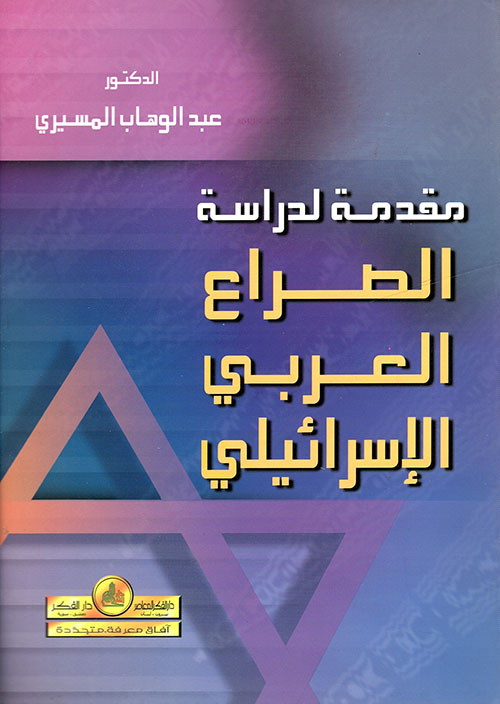
Description
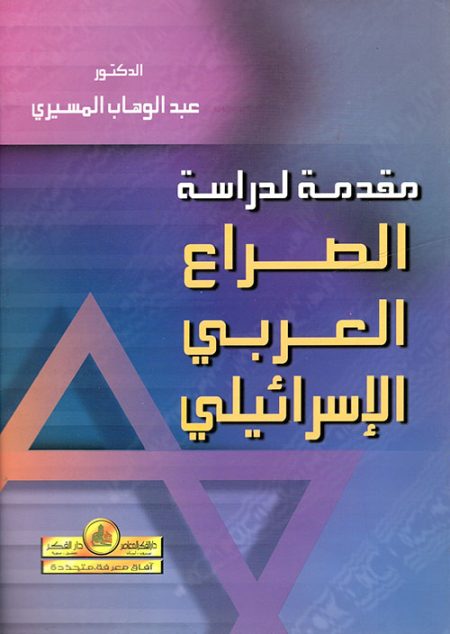
This book examines the Arab-Zionist conflict. It begins with a panoramic view of Jewish communities worldwide, including their numbers, migrations, diversity, and heterogeneity. It then discusses the concept of the functional community and attempts to apply it to Jewish communities, settlement, and the contemporary reality of Jews. The book also explores the functional and professional composition of members of Jewish communities globally. It then moves on to Judaism and the Jewish Question, demonstrating how Zionist thought crystallized within the Western and imperialist civilization, and the imperialist solution to the Jewish Question. The book then delves into the history of Zionism, attempting to provide a comprehensive map of the development of Zionist thought. It examines the formative stage, the relationship between Zionism and the Jewish people, and the birth of Zionism. Finally, it discusses settlement activity up to 1967 and the crisis facing Zionism. The book then moves on to Zionist settler colonialism, discussing the Zionist phenomenon and attempting to define its general and specific characteristics. It offers a definition that replaces the distinctive Western definitions, which are often perceived as weak in their explanatory power. The book then examines the agreement among Zionist currents and trends regarding security, the borders of the Zionist state, and its relationship with the Palestinians and world Jewry. It further addresses the crisis of Zionism and the structure of Zionist ideology, the crisis of Zionist identity, the religious-secular conflict, the settler-population crisis, and the crisis of military service. The book then discusses the undermining of Zionist ideology through the rise of consumerism, Americanization, globalization, privatization, and secularization. It also examines the manifestations of the crisis, such as the excessive proliferation of Zionist terminology, the Palestinian question, and the understanding of the true reality of the Zionist project. The book concludes with a discussion of the concept of de-Zionizing the Zionist state.




Reviews
There are no reviews yet.