
Description
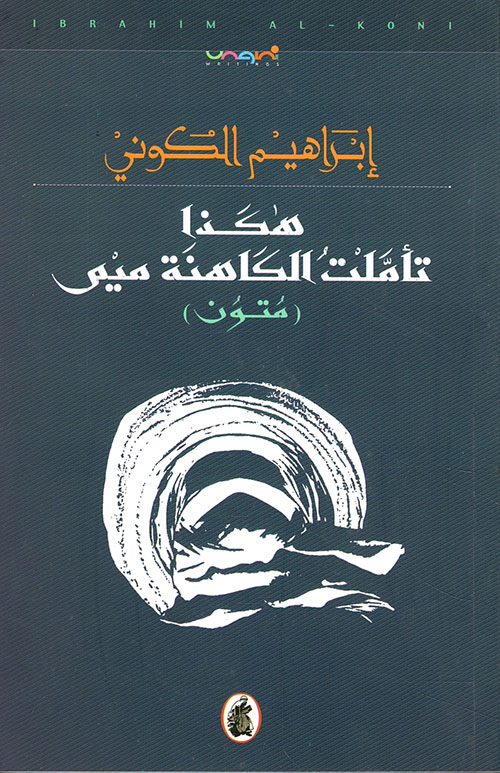
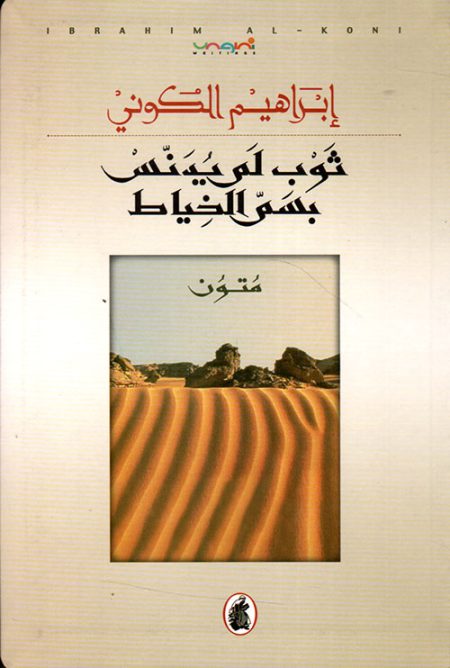
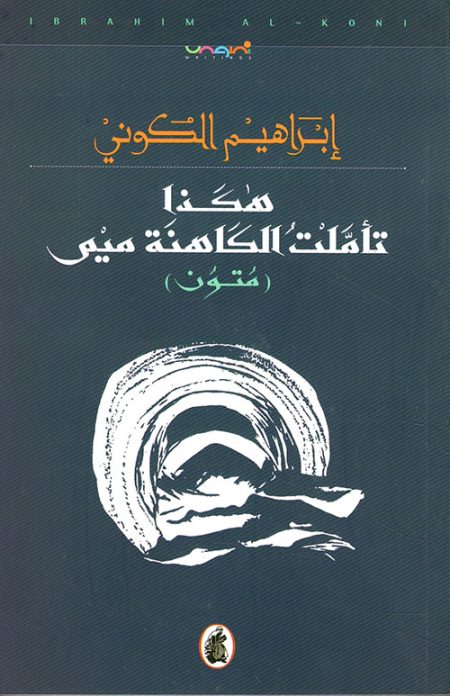
The ancient Tuareg people customarily appointed priestesses as leaders of their society due to their keen insight and ability to perceive hidden truths, much like the ancient Greeks appointed women priestesses at the Temple of Delphi because of their gift for prophecy. The Pythia served as the official spokesperson for the god, to whose temple every seeker of the elixir of prophecy turned. This belief in women as messengers remains prevalent in Tuareg society to this day, bestowing upon women a sanctity rarely found in any other society. These precepts, which seem more like amulets in their brevity and sometimes even their obscurity, are the product of this ancient priestly spirit that characterized the mentality of the women of that time. For them, pleasure was not the sole aim, but spiritual healing was a secondary, indeed primary, function. Perhaps this is why we see it pulsating with the fervor of expression and the sublimity of poetry, to the point where it rises to the level of a hymn raised to the divine realm. This is not surprising for a work that originated primarily as a religious ritual, or rather, as a magical experience from which all mystical practices sprang, beginning with the symbol carved in stone and culminating in the song as an audible translation of the prayer ritual. This prayer began as a timid whisper of beauty, the hidden beauty of nature, which carries within its allusions the beauty of the ideal, so much so that we would not have named this priestess of our prayers “Mim” had the letter M not, in its linguistic essence, been synonymous with the wonder of nature, as revealed to us by the primal language that still flows in the valleys of the Tuareg to this day.
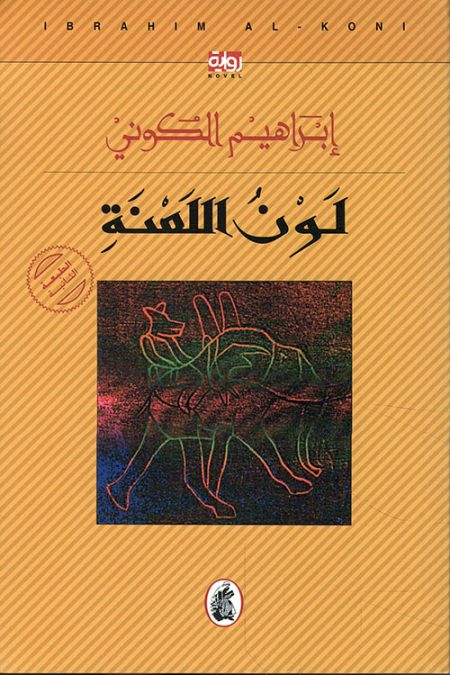
Thus did Ibrahim al-Koni contemplate the priestess Mim, and perhaps from her inspiration flowed reveries, meanings, and texts that, in their extensions, form a philosophical depth through which the stillness of the desert appears, expressing its magnificence in its stillness and indeed in all its states. And Ibrahim al-Koni, as in all his creations, suggests that the human imagination remains pregnant with endless ideas, philosophies, and fantasies. These collectively form a literary art that is refined in its expression and elevated in its meaning, enriching the soul with its literary and spiritual beauties.
Reviews
There are no reviews yet.