
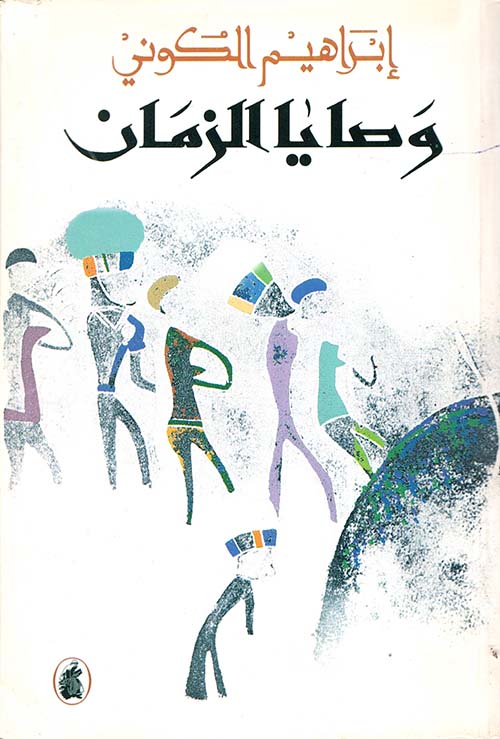
Description
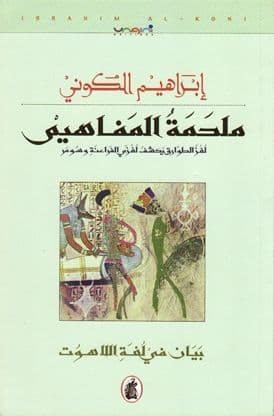
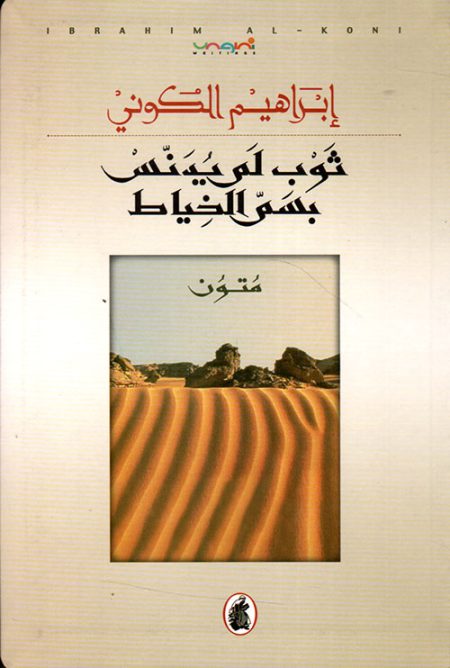
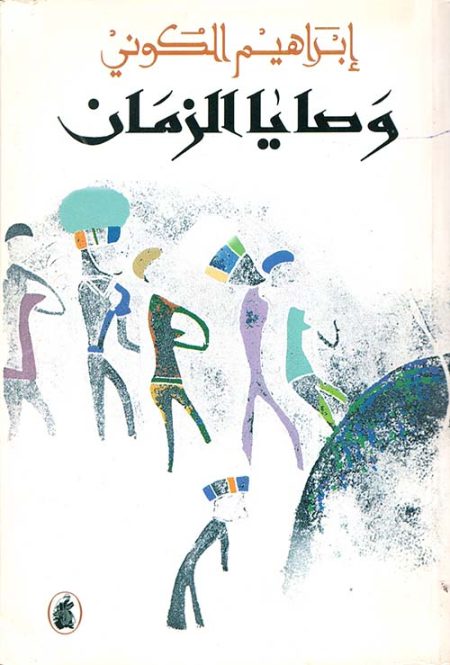
As always, Ibrahim al-Koni retreats behind the walls of his language, a language brimming with mystical enigmas, to transcend the existing world in search of realms imbued with mystical ecstasy. The lover of the desert here is the lover of eternity, and the love of eternity is itself an eternal virtue. The desert is a symbol of purity and solitude, a refuge for lovers and mystics seeking liberation from their shackles and the constraints imposed upon them by the city, which assaults values and morals, leading to the sentiment, “We cannot gain the world without losing ourselves.” In that moment of liberation, the yearning for travel becomes a yearning for freedom and even death, for the human body is a transient symbol of an eternal essence. The yearning for travel becomes a yearning for freedom, leading to the sentiment, “We seek life through pleasure, but pleasure leads us to death.”
For Ibrahim al-Koni, true work and religious practice are equal, and one may condemn oneself because actions that awaken shame within us are not noble. We encounter this Sufi thought in the precepts contained in this book, precepts for purifying the soul and subduing the body. The Sufi’s destiny is to always flee from what is in the hands of creation to what is in the hands of the Creator: “We do not gain the Creator except by losing creation.” Here, Ibrahim al-Koni approaches the Sufis and those who experience spiritual ecstasies, who have dedicated themselves to the Creator, for all that belongs to God is subject to His will.
Reviews
There are no reviews yet.