962-7983-18423+
24/7 دعم

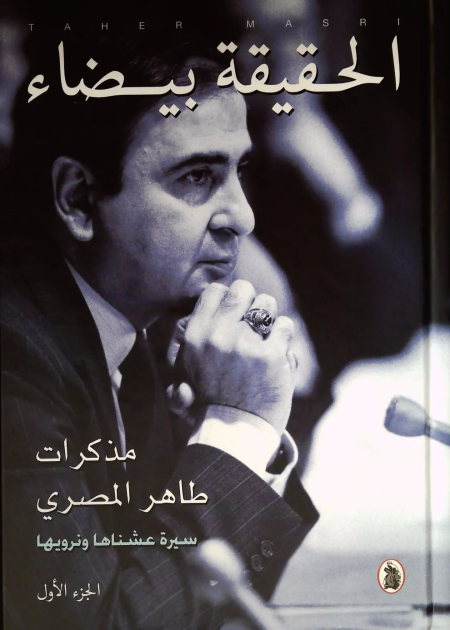
As a political memoir and autobiography, the work documents key stages in the author’s personal and professional life. It examines major events and political shifts in Jordan and the Arab world, drawing on the experiences, stances, and testimonies of an individual who navigated the complexities and challenges of public service.
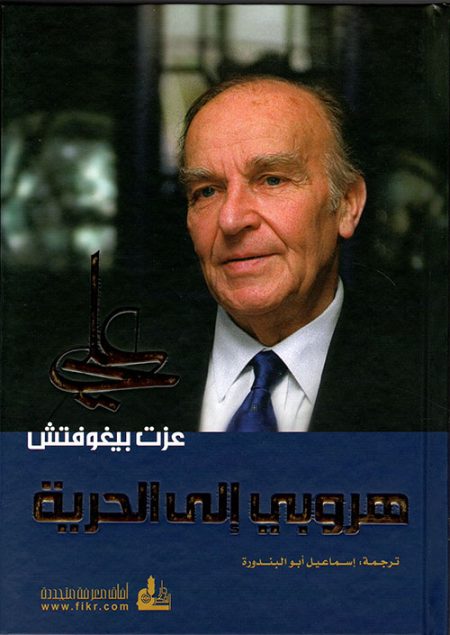
A collection of intellectual and philosophical reflections penned during years of imprisonment, covering themes of freedom, life, religion, ethics, politics, and culture, while reflecting the human struggle to maintain intellectual and spiritual independence in the face of oppression.
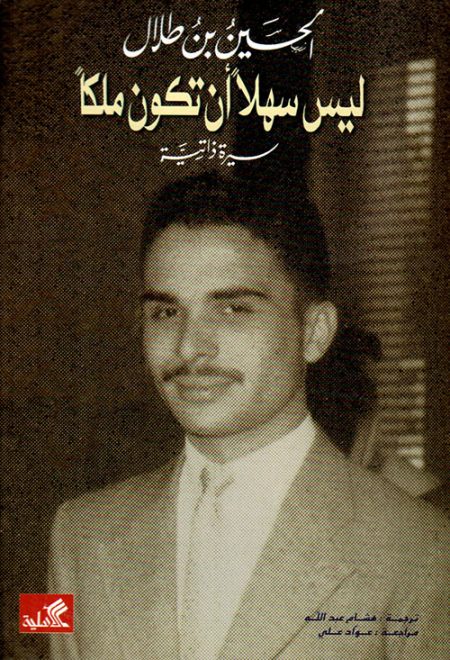
This autobiography chronicles the experience of governance and the accompanying political and humanitarian challenges. It sheds light on aspects of the author’s personal life, pivotal decisions, and Arab and international relations, while documenting significant events in Jordan’s history during a critical era of the twentieth century.
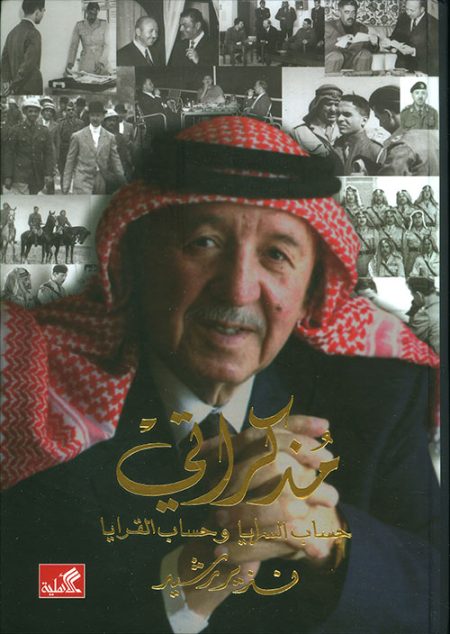
These political memoirs document key events and milestones in Jordan’s modern history, particularly during the second half of the twentieth century. They address political and security transformations—including the events of September 1970—through a personal testimony that reveals positions and realities from the perspective of someone who played an active role during that period.
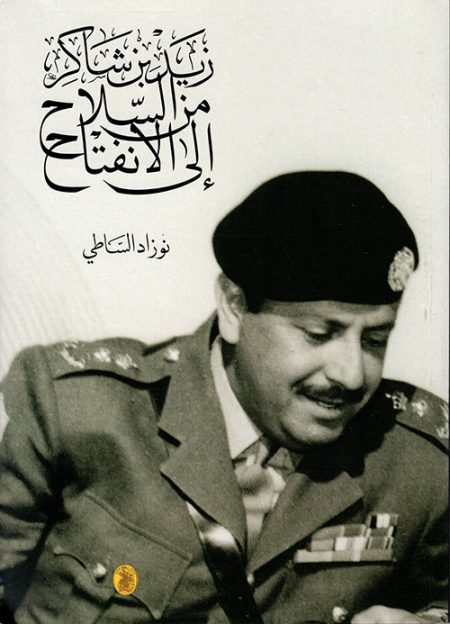
The book chronicles Prince Zaid bin Shaker’s life and his military and political career, reviewing pivotal moments in the history of Jordan and the Arab world—ranging from the 1967 War and the events of Black September to the Second Gulf War—while highlighting his relationship with King Hussein bin Talal and his roles in public life.
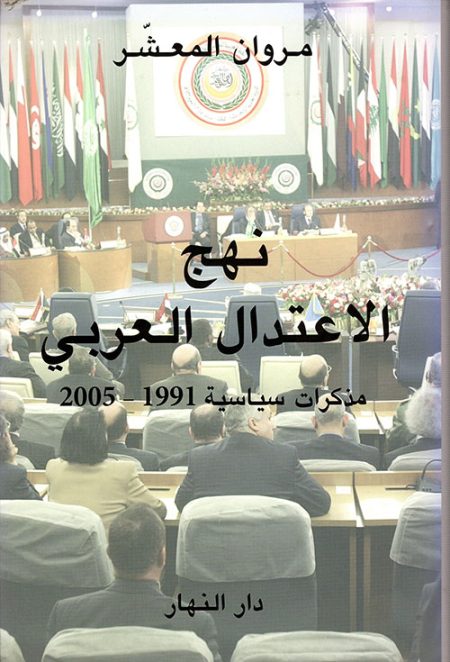
The book presents a political and diplomatic account of experiences in Jordan and the Middle East, documenting the behind-the-scenes details of Arab-Israeli negotiations and efforts toward peace and reform between 1991 and 2005, while analyzing the challenges facing the Arab moderate camp and the prospects for achieving a just and lasting peace.
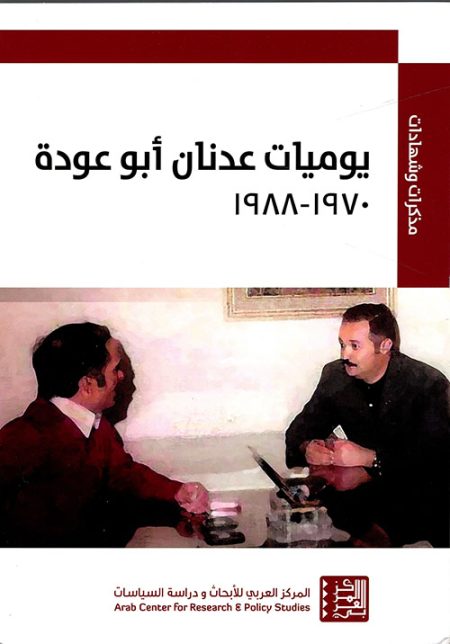
A political and historical record documenting the transformations Jordan underwent between 1970 and 1988. It outlines the evolution of Jordanian-Palestinian and inter-Arab relations, as well as key political events and turning points, drawing on diaries, notes, and documents that offer valuable insights into that era.
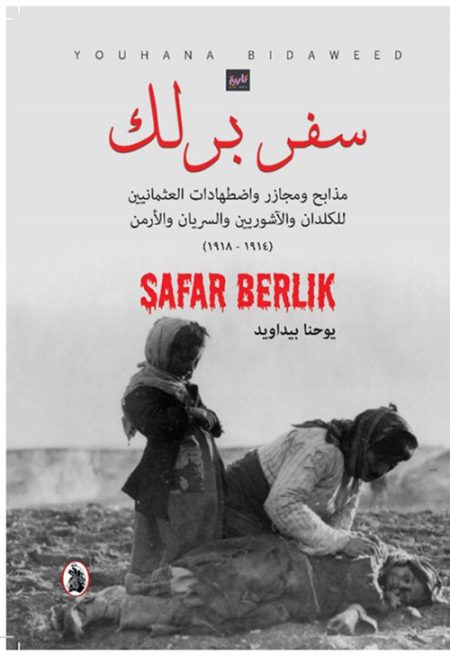
The book documents the massacres and persecution endured by Chaldean, Assyrian, Syriac, and Armenian populations at the hands of Ottoman authorities during World War I (1914–1918), shedding light on historical events, the suffering of the people, and the impact of these violations on their communities.
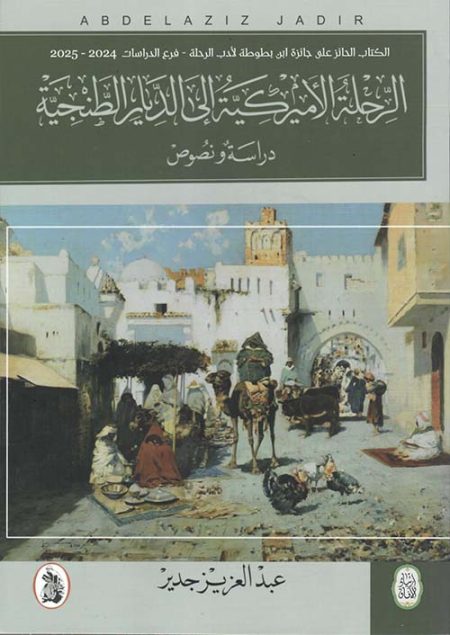
This literary and historical study examines an American traveler’s journey to Tangier, offering an analytical reading of the travel narrative within its historical and cultural context. It also presents texts that shed light on the image of Morocco as perceived by foreign travelers and the country’s relationship with the Western world.
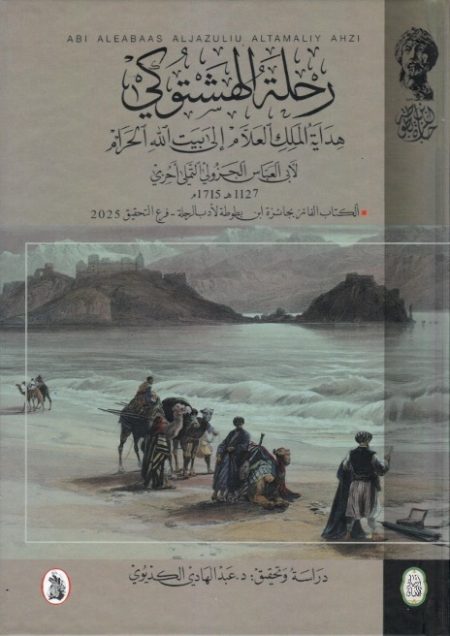
This is a historic Hajj account that documents the journey to the Sacred House of God, the stations of the Hajj rituals, and the visit to Medina. It presents the traveler’s observations regarding the lands, scholars, and customs of Morocco and the Hijaz during the eleventh century AH.
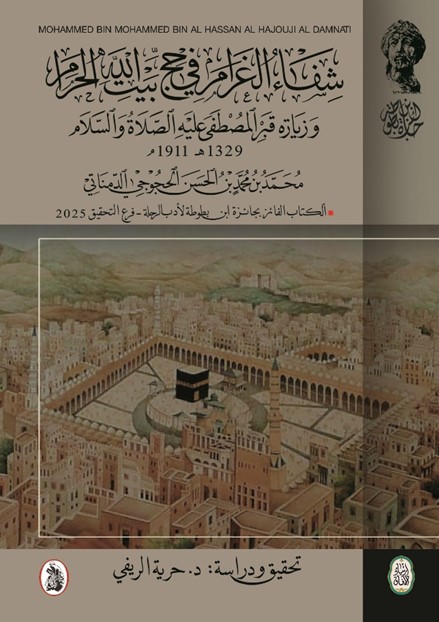
This is a historical and literary account of a Hajj journey that documents the traveler’s observations during his pilgrimage to the Holy Lands and his visit to Medina, while offering a portrait of religious, social, cultural, and political life in both the Maghreb and the Arab East during the early twentieth century.
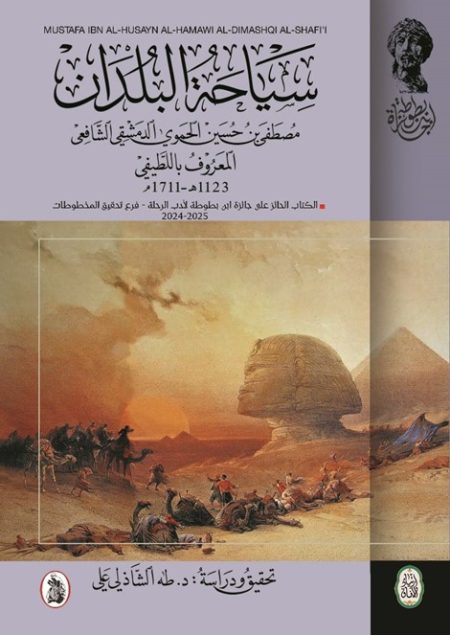
It is a geographical and literary journey that chronicles various lands, highlighting their distinctive landmarks, sites, and conditions. Through the traveler’s observations and descriptions, the work presents the reader with a portrait of cities and societies, blending travel literature with historical and geographical documentation.
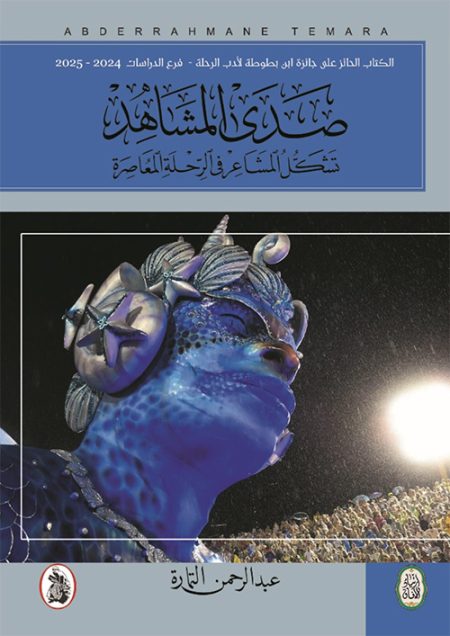
A critical study of contemporary travel writing that investigates the interplay between the scenes and places experienced by the traveler and their emotions, as well as the role of emotional experience in shaping the vision and meaning within the travel text.
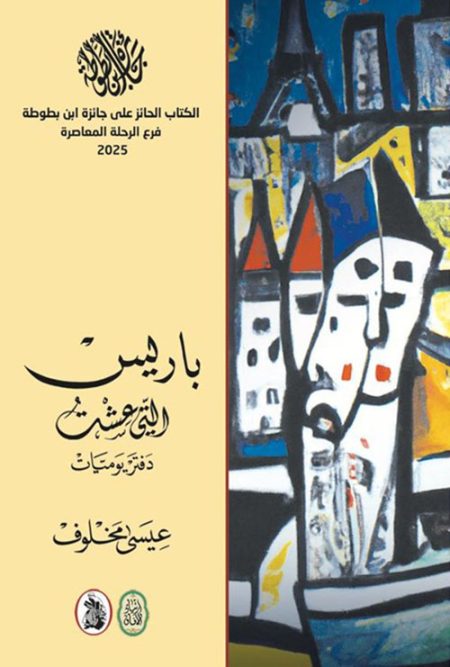
The book recaptures memories of life in Paris, tracing the city’s cultural and intellectual transformations and the literary, artistic, and human experiences it witnessed. It blends diary entries with personal reflections on place, memory, and the nature of human connection with the “Other.”
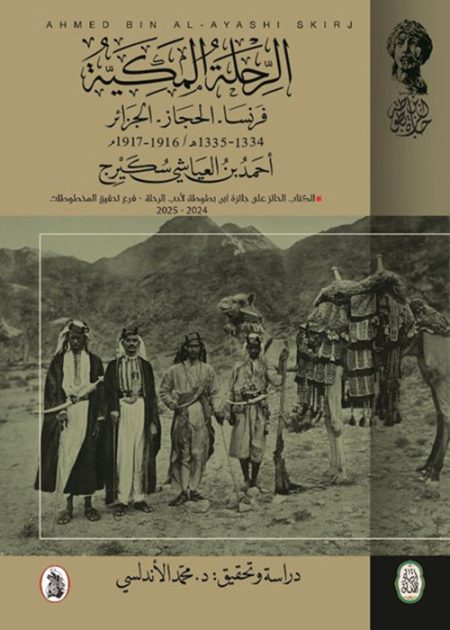
This travelogue documents the observations and impressions of a Moroccan traveler as he journeyed between France, the Hejaz, and Algeria, offering a historical and geographical portrait of the countries he visited—as well as their social, cultural, and religious conditions—at the dawn of the twentieth century.
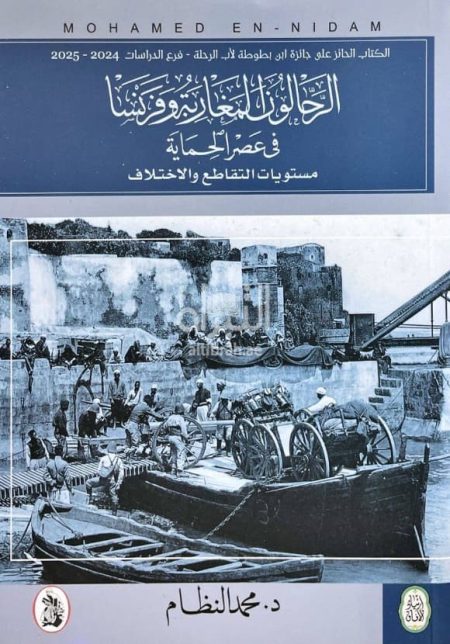
It is a historical and cultural study that explores Moroccan journeys to France during the colonial Protectorate era and analyzes their perceptions of French society—including its manifestations of progress and modernity—thereby revealing points of convergence and divergence in their perspectives on the self and the “Other.”
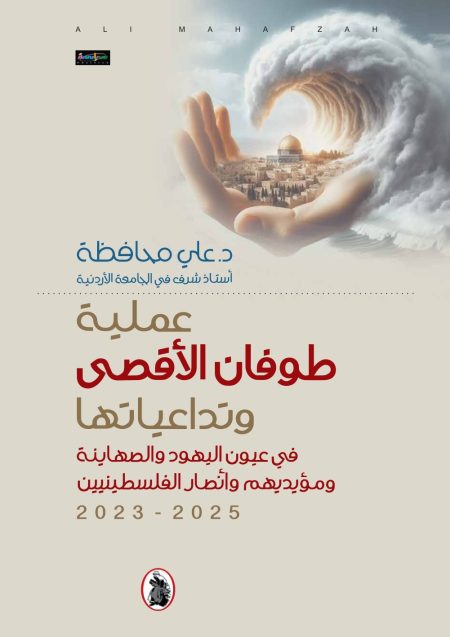
The book tracks the divergent reactions and positions regarding the Al-Aqsa Flood operation and its aftermath—contrasting the views of Jews, Zionists, and their supporters with those of advocates for the Palestinian cause—and analyzes the political, intellectual, and media dimensions of these events during the period spanning 2023 to 2025.
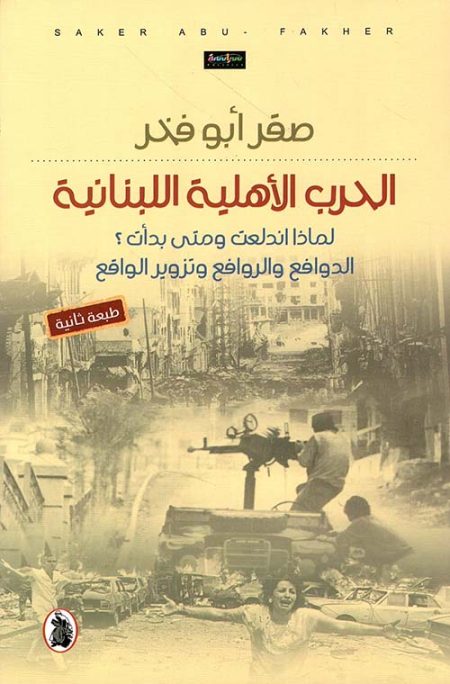
A historical and political study examining the causes and the domestic and regional backgrounds of the Lebanese Civil War. It discusses the forces that fueled the conflict and analyzes how conflicting narratives and the distortion of facts shaped the understanding of the war’s events and trajectory.
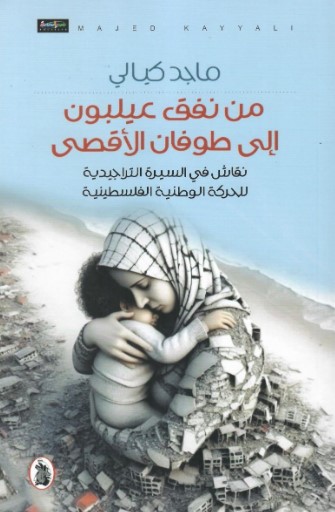
A critical study of the Palestinian national movement’s trajectory since its inception, examining the evolution of its political and military projects and issues of national identity—leading up to the “Al-Aqsa Flood” events and the war on Gaza—while raising questions about the causes of the crisis and ways to revitalize the Palestinian struggle.
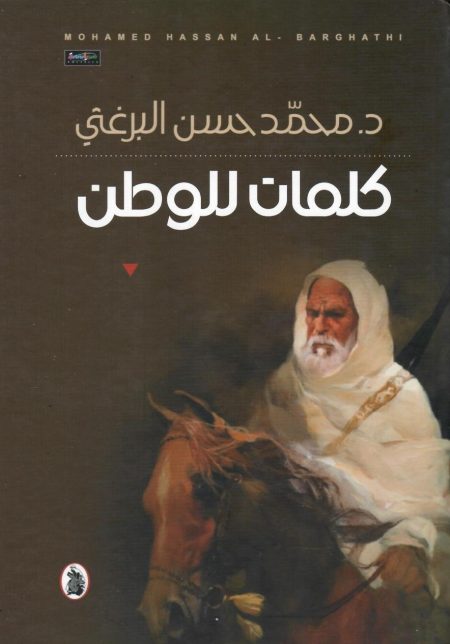
An analytical look at the Libyan reality and its political and social crises; it addresses the nation’s concerns and the challenges it faces, proposing ideas and initiatives to restore stability and build the state, while emphasizing the importance of awareness and national responsibility.