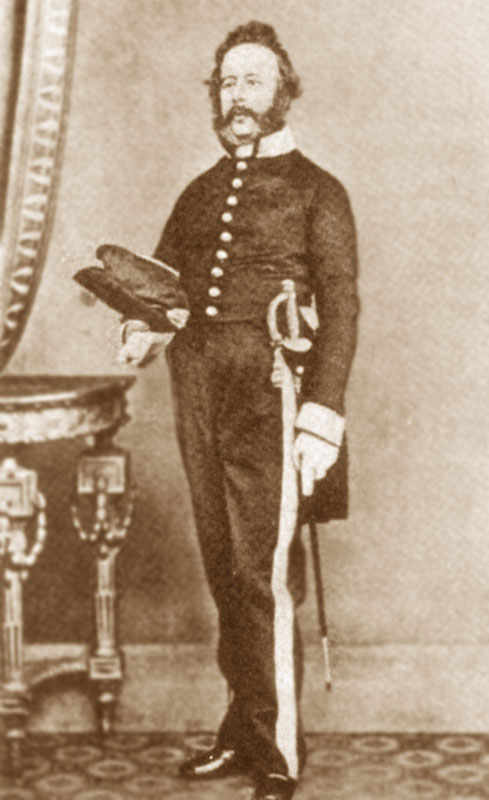
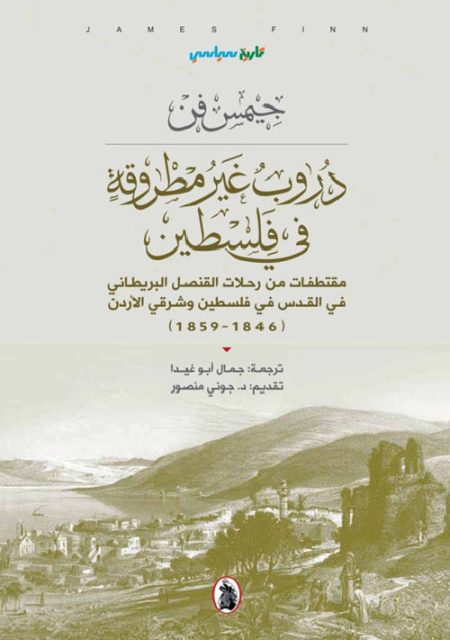
James Finn served as the British Consul in Jerusalem from 1846 to 1863. He arrived in Palestine in 1845, accompanied by his wife, Elizabeth Anne Finn. A devout Christian, he was affiliated with the London Society for Promoting Christianity Amongst the Jews, though he did not engage in any missionary work during his years in Jerusalem. Finn was a strong proponent of “productivism”—an ideology that was highly popular at the time. In 1853, he purchased a plot of land outside the walls of Jerusalem’s Old City for £250, known in Hebrew as “Kerem Avraham” (Abraham’s Vineyard). On this land, Finn established an agricultural training farm for Jews, with the aim of providing them with the means to become productive citizens. In 1855, he employed Jewish workers to build a residence for himself there—a site now located in the Geula neighborhood of Jerusalem. This was the third structure to be built outside the walls of the Old City. Finn also constructed cisterns for water storage and a soap factory, which produced high-quality soap that was sold to tourists. Additionally, Finn helped establish an experimental farm for impoverished Jews from Jerusalem in the village of Artas, near Bethlehem. Finn was dismissed from his post in 1863. His superiors believed he had become too personally involved in local affairs. His bankruptcy and his conflicts with Samuel Gobat, the Protestant Bishop of Jerusalem, also contributed to his removal.