962-7983-18423+
24/7 دعم

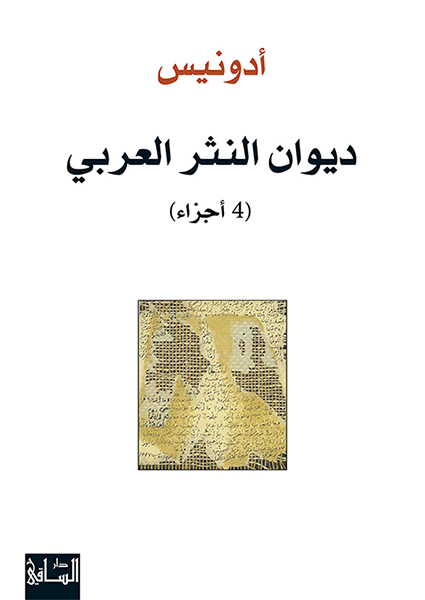
These are literary texts and reflections of a spiritual and philosophical nature, drawing inspiration from heritage, myths, and existential questions, and blending wisdom and contemplation on humanity, nature, and the universe in a dense literary language.
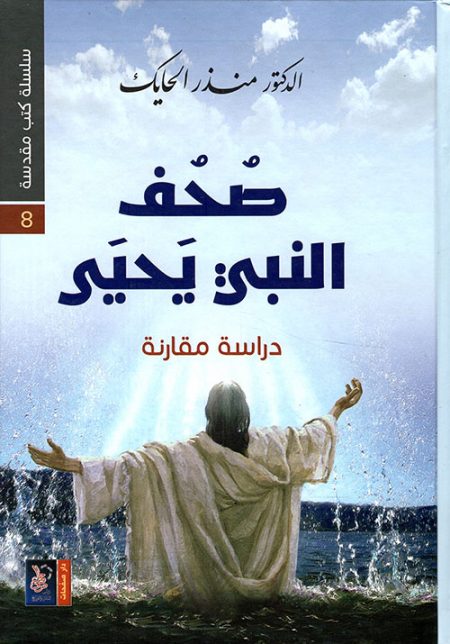
A research study that examines the texts attributed to the Prophet Yahya, peace be upon him, from a comparative perspective, analyzing their religious and intellectual content in their historical context and their relationship to the heavenly heritage.
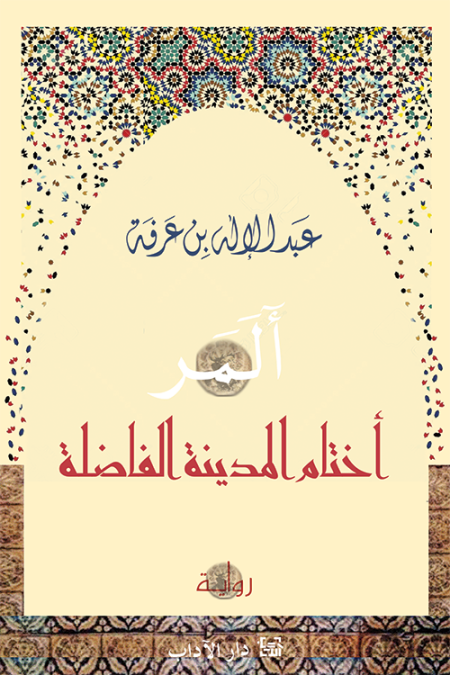
A novel that blends philosophy, mysticism, and literary imagination, where historical and philosophical figures convene in an imaginary council within an idealized city to discuss matters of wisdom, knowledge, and spiritual authority in a profoundly symbolic style.
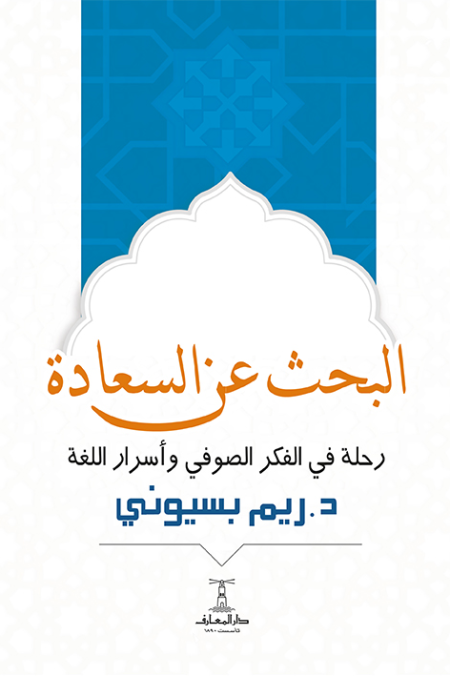
A contemplative journey that combines Sufi thought with the secrets of language, exploring the paths to inner happiness through wisdom and meditation.
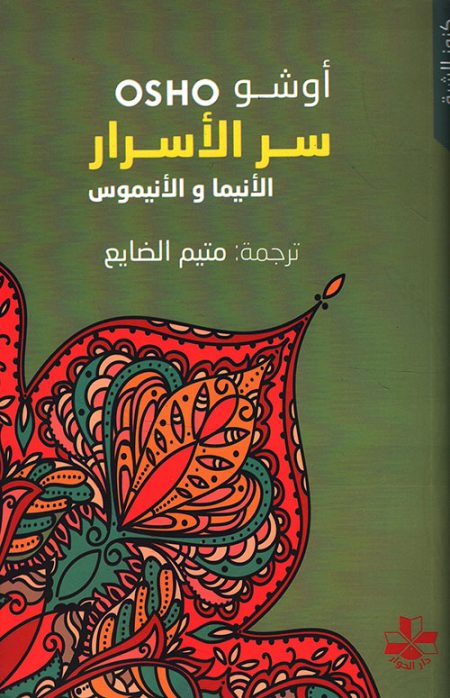
This book addresses the internal balance between masculine and feminine energy in humans, and presents a profound philosophical vision for understanding relationships, self-awareness, and achieving psychological and spiritual harmony.
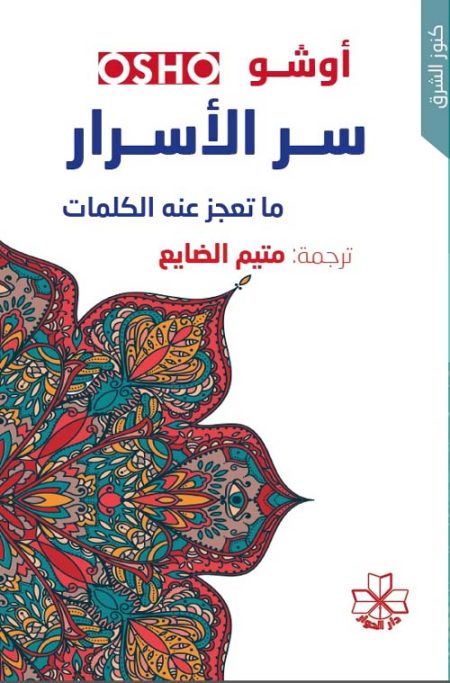
The book, The Secret of Secrets: What Words Cannot Express, offers profound reflections on consciousness and the spirit, focusing on inner experience and silence as a path to understanding truth beyond the limits of language and conventional thinking.
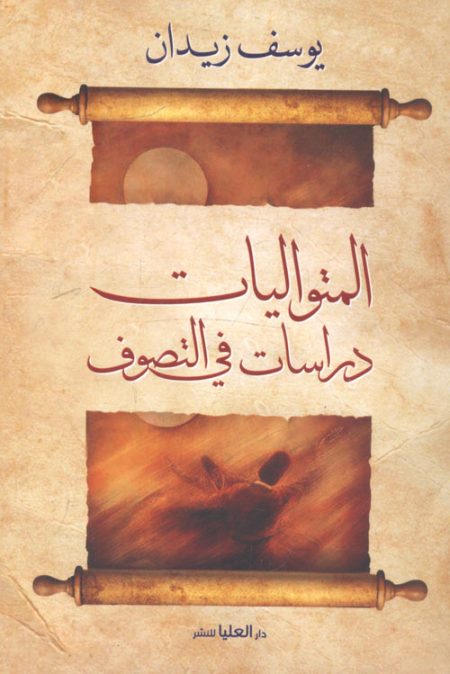
The work includes a collection of studies that delve into the world of Islamic Sufism, exploring its concepts and intellectual and spiritual manifestations in an analytical style that connects the Sufi experience with classical texts.
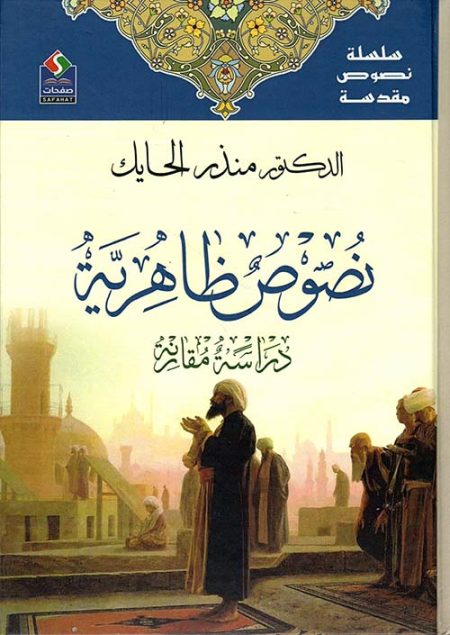
An analytical reading that deals with religious texts using a literalist approach, examining the linguistic and semantic structure of the text, and discussing its understanding away from traditional interpretations, within a critical intellectual framework that raises questions about the method of interpretation and the limits of reading.
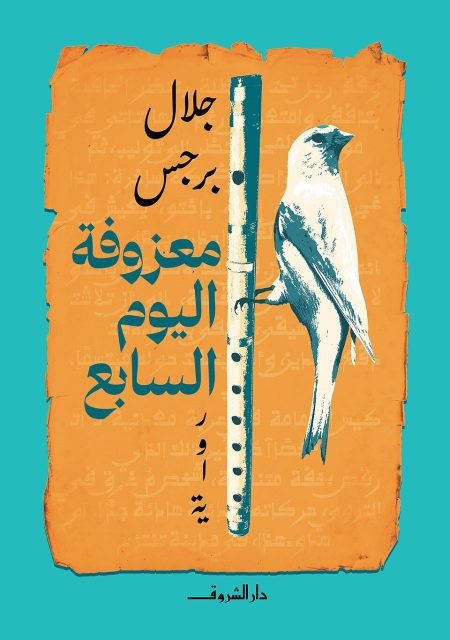
In a hypothetical city of seven districts, a strange epidemic drives some residents to fall in love with death. Amidst conflict and hatred, questions arise regarding the human fate and human values, set against a symbolic backdrop that looks toward the future in search of salvation.
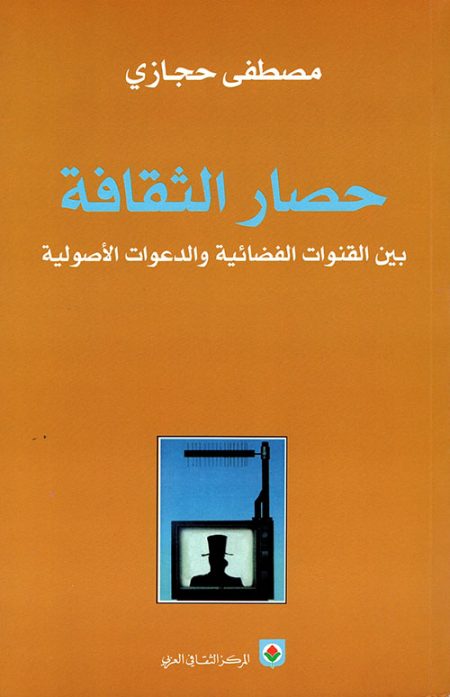
This book discusses the crisis of modern Arab culture and the impact of satellite media and fundamentalist calls on societal awareness, along with an analysis of the intellectual and psychological transformations experienced by the Arab individual in light of this conflict.

It presents a vision of the nature of legitimate authority and how it is founded on the collective will of the people. It discusses the concept of civil liberties and the necessity of everyone’s participation in formulating the laws that govern them.

This intellectual framework explores how legitimate authority arises within society and clarifies the foundations upon which the collective will is built to organize its affairs and protect its rights through a contract that unites individuals on shared principles.
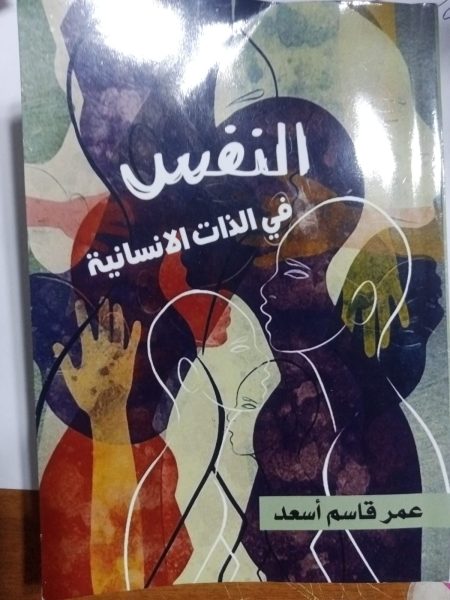
This book addresses the concept of the soul and the human self from a philosophical and psychological perspective, exploring the nature of the self, its development, and its relationship to human behavior and harmony with oneself and society.
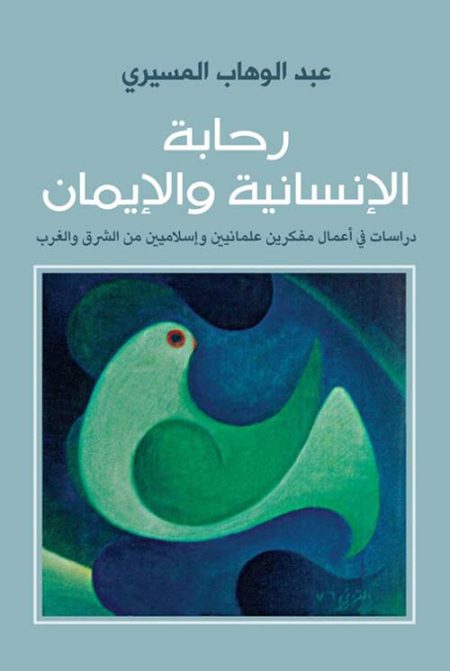
He addresses issues of humanity and faith from an intellectual and philosophical perspective, through discussions of the ideas of thinkers from both East and West, and an analysis of the relationship between spirit and matter, and the human meaning in life.
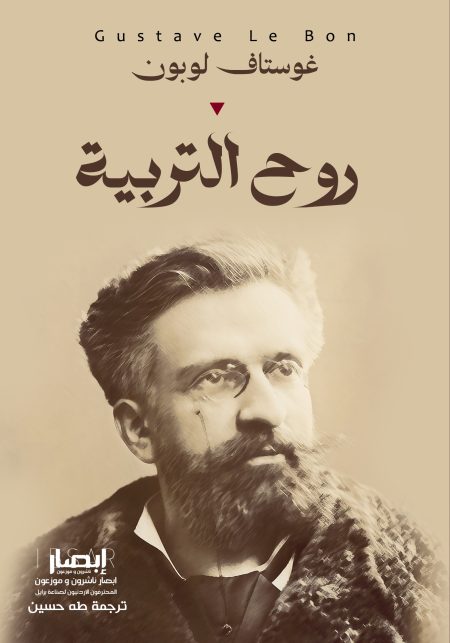
This book discusses the foundations of education and the influence of environment and social customs on shaping an individual’s behavior and psychological and intellectual development, while also analyzing the nature of education and its role in building societies.
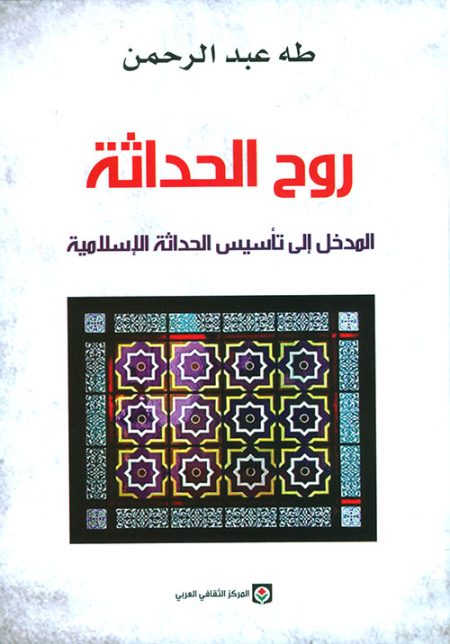
He presents a critical vision of the concept of Western modernity, while attempting to establish a modernity rooted in Islamic values and a balance between intellectual creativity and ethics, far removed from both blind imitation and intellectual stagnation.
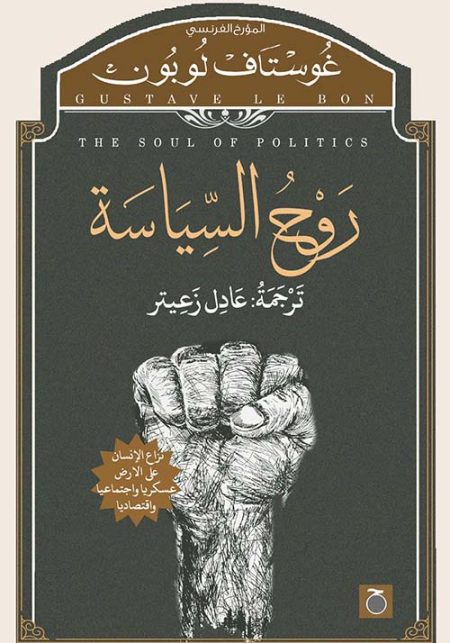
This is an analytical study of the mechanisms of governance and power, explaining how political decisions are shaped more by collective emotion and propaganda than by reason and logic, while also offering a critique of the nature of leadership and the masses.
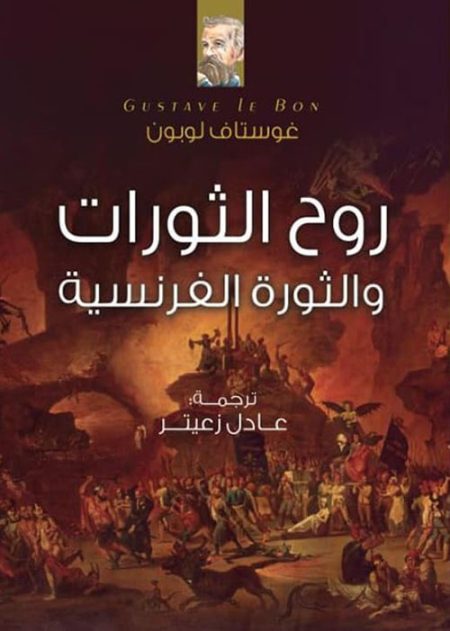
This book offers a deep analysis of the nature of revolutions and how they are psychologically and socially shaped, with a particular focus on the factors that led to the French Revolution and its repercussions on societies.
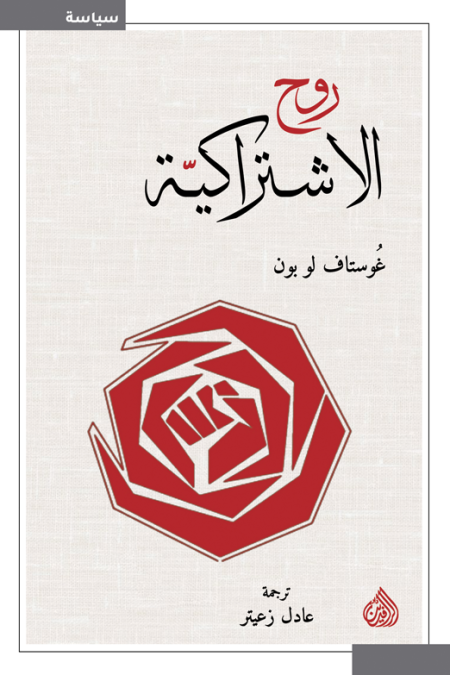
This is an intellectual study that analyzes the phenomenon of socialism from a psychological and social perspective, discussing the reasons for its spread, its impact on societies, and the conflict between inherited traditions and modern ideas.
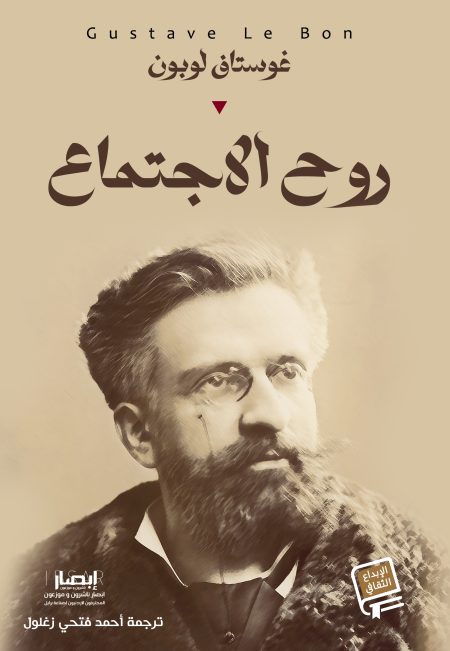
He examines the nature of collective behavior and how the thoughts and feelings of crowds are formed when individuals gather, explaining how a group can alter an individual’s mind and push them toward behavior different from their individual conduct.