962-7983-18423+
24/7 دعم

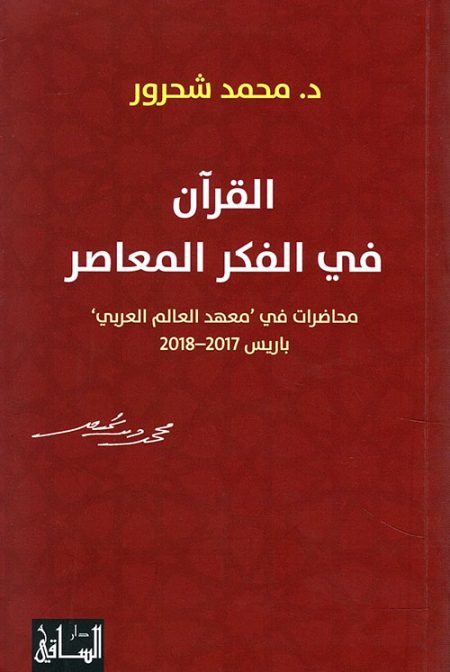
This book presents a contemporary reading of the Holy Quran, aiming to reinterpret the religious text beyond traditional interpretations, through a rational approach that connects faith with modern human thought.
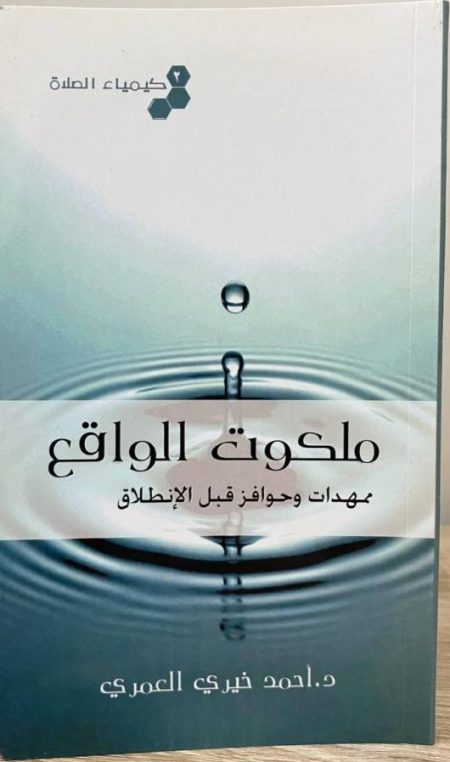
A reflective book that discusses the relationship between man and the reality he lives in, and how convictions and perceptions are formed between what is ideal and what is possible, in a style that combines thought and critical analysis of the self and society.
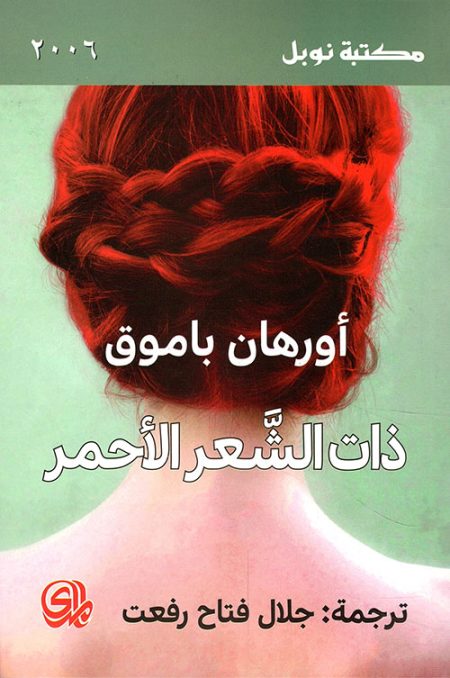
The story explores the relationship between a young man and his mentor as they work digging wells, transforming their experience into a profound journey into destiny, guilt, and memory, where the tale intersects with ancient myths about father and son and their conflict.
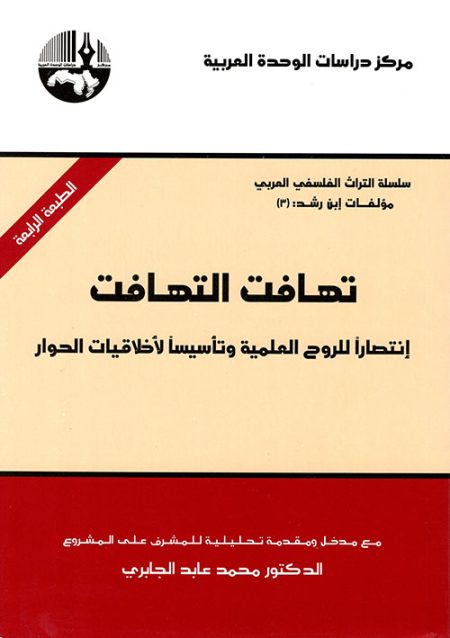
This book discusses Ibn Rushd’s philosophical thought as a defense of reason and the scientific method, emphasizing the importance of objective dialogue, acceptance of difference, and respect for differing opinions.
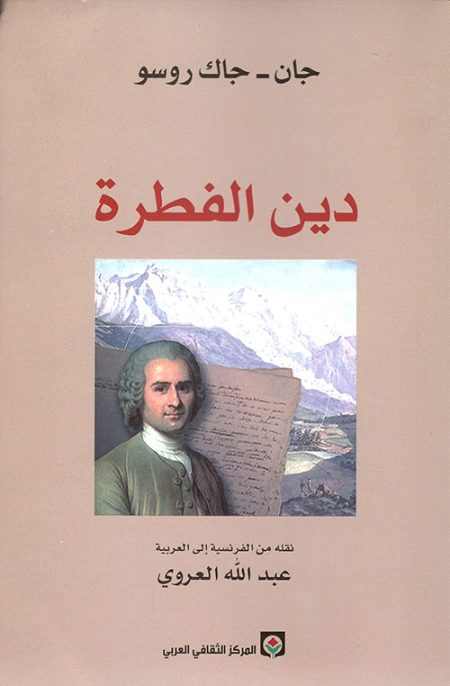
This book explores the innate foundations of faith as experienced by humankind, free from complexity, and offers profound reflections on the spiritual and moral nature that guides humanity toward truth and inner certainty.
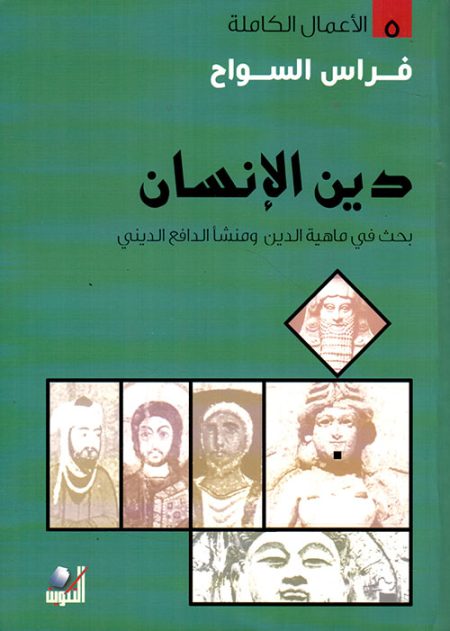
The book examines the nature of religion and the origin of religious motivation in humankind, exploring how beliefs are formed and their impact on thought and behavior.
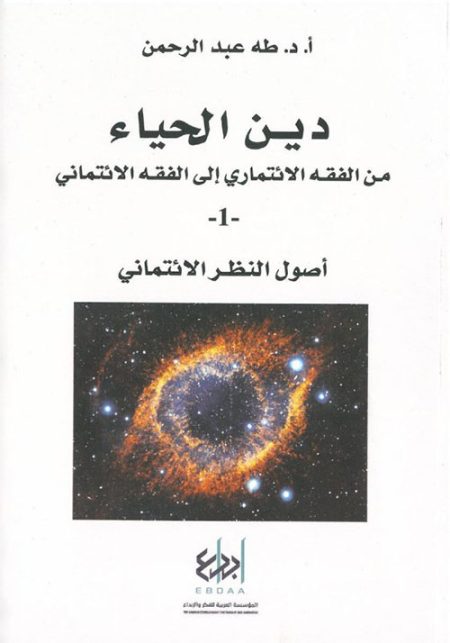
The book presents an intellectual and moral vision that reconstructs the concept of modesty as the basis for the relationship between man, values, and existence, with a deep treatment of the crises of thought and morality in the contemporary world.
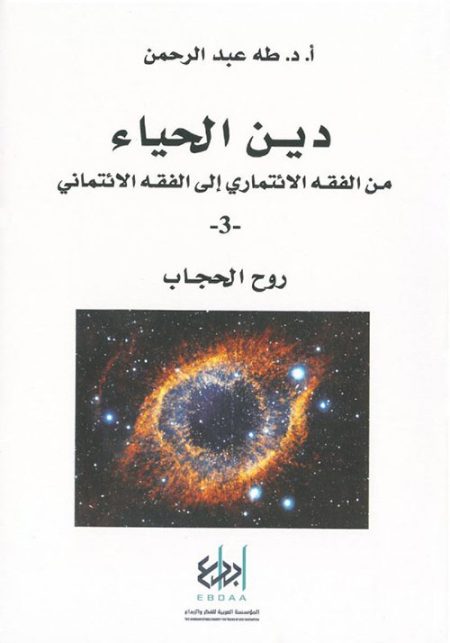
It addresses the issues of modesty and the hijab from a philosophical and ethical perspective, offering an intellectual reading that connects spiritual values and human behavior in the face of the challenges of the modern age.
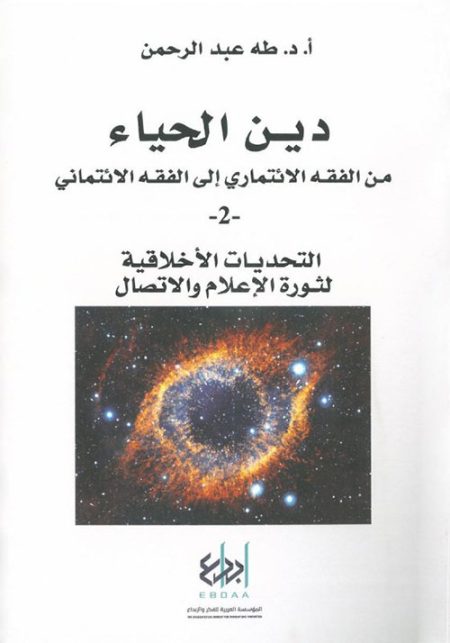
He examines the ethical challenges posed by the media and communication revolution to contemporary humanity, exploring the impact of images and technology on values and behavior from a profound philosophical and ethical perspective grounded in the concepts of modesty and trustworthiness.
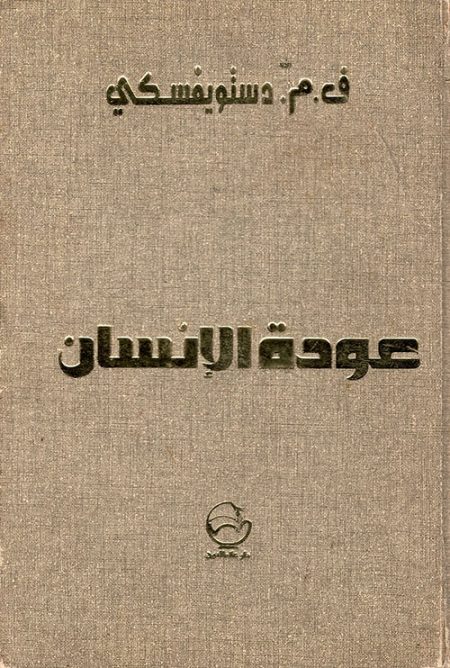
A novel that delves into the depths of the human soul and its inner struggles, posing philosophical and ethical questions about freedom, dignity, and salvation in a profound literary style.
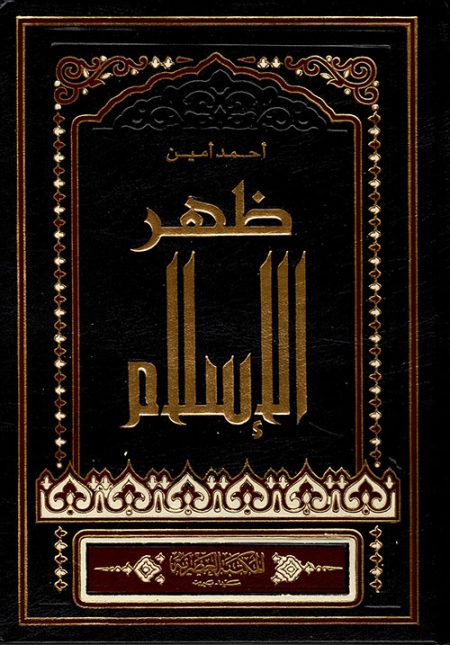
It deals with the emergence and development of Islamic civilization in its various political, intellectual and social aspects, with an analysis of the events and personalities that contributed to shaping Islamic history during its early stages.
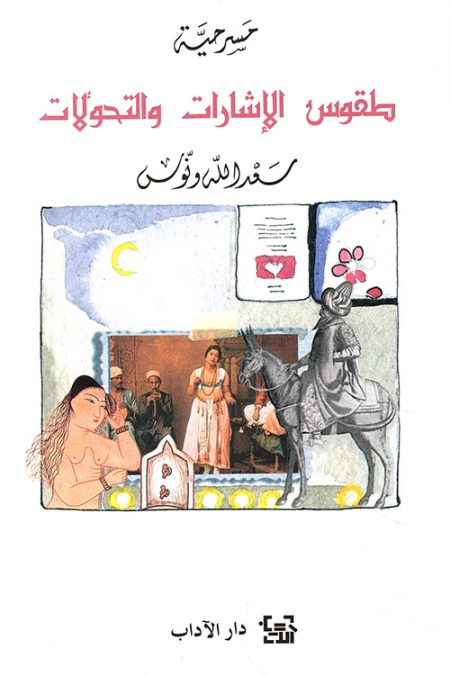
This profound theatrical text explores the struggle between humanity and authority and society through bold psychological and intellectual transformations, revealing the contradiction between the apparent and the hidden in human behavior. It addresses issues of freedom, oppression, and the desire for change in a powerfully symbolic style.
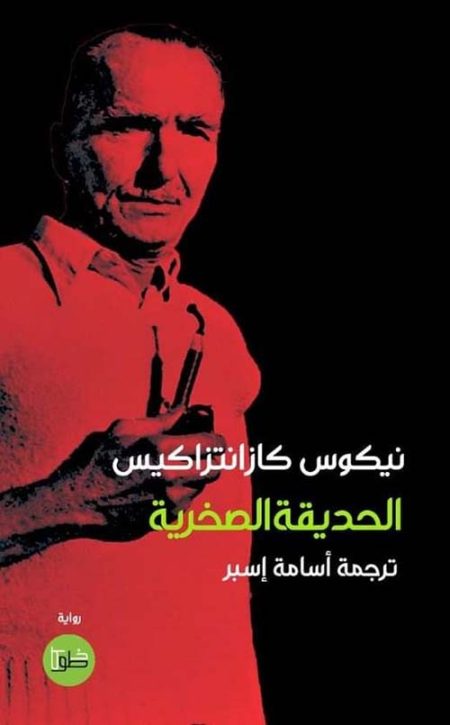
This novel contemplates the inner struggle of humanity between spirit and matter, delving into questions of faith, doubt, and suffering through a profound human experience that blends philosophy with existential reflection.
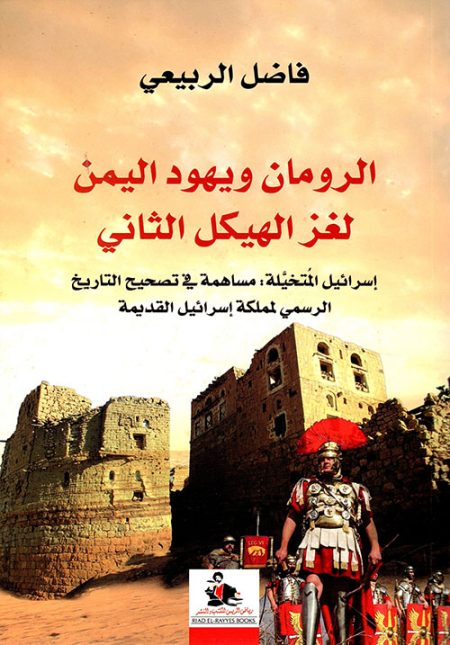
This book presents a critical historical study that re-examines the narratives related to the Romans, the Jews, and the Second Temple, offering an alternative thesis based on inscriptions and historical sources to reinterpret events traditionally considered to have taken place in Palestine.
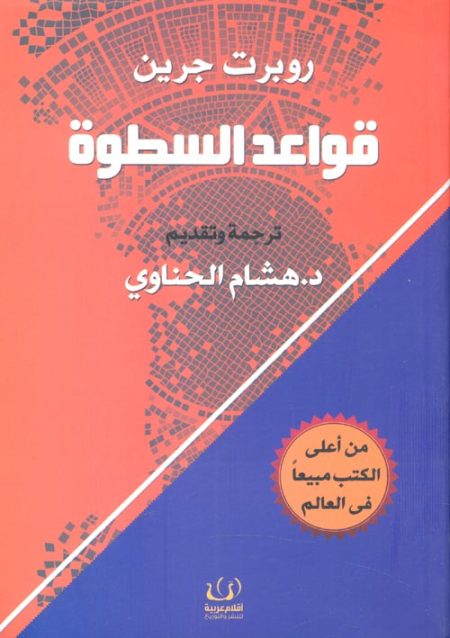
It presents a set of rules and strategies for understanding power and influence, and how to acquire and maintain them, drawing lessons from history and the behavior of influential figures in politics, society, and human relations.
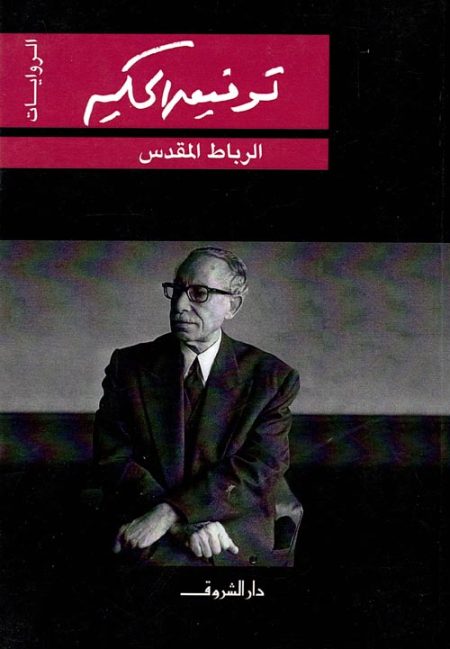
This is a social and philosophical novel that addresses issues of love, marriage, and human freedom, and discusses the conflict between emotion and moral obligation through events and characters that carry profound intellectual dimensions.
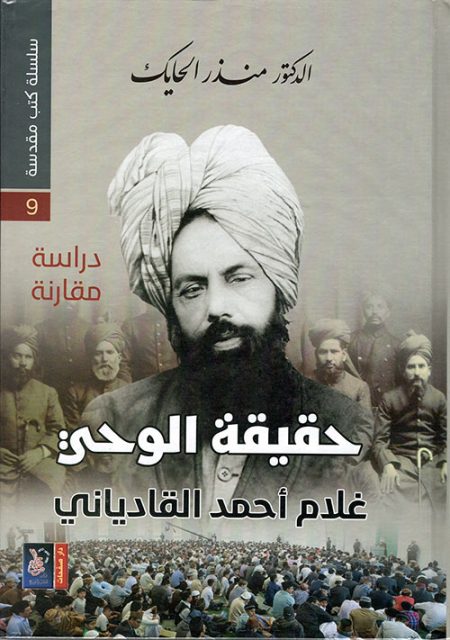
This book addresses the issues of revelation and prophethood from a critical and analytical perspective, presenting and discussing the origins of Qadiani ideas in light of traditional Islamic concepts, while also examining their historical and doctrinal background.
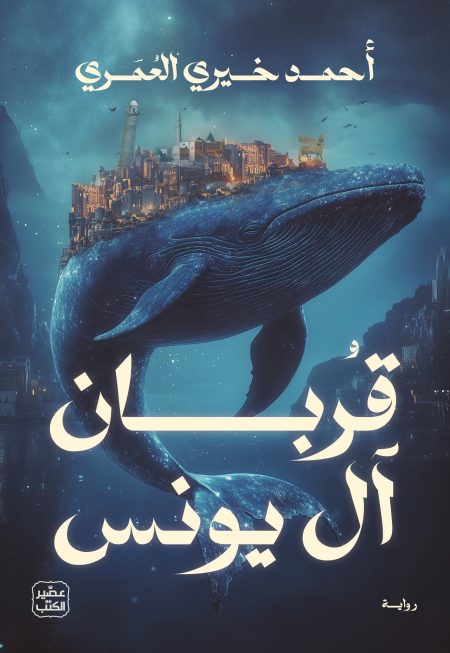
This literary work employs a symbolic narrative with intellectual and human dimensions, addressing internal issues that intersect with existential and spiritual concerns in an intensely contemplative style.
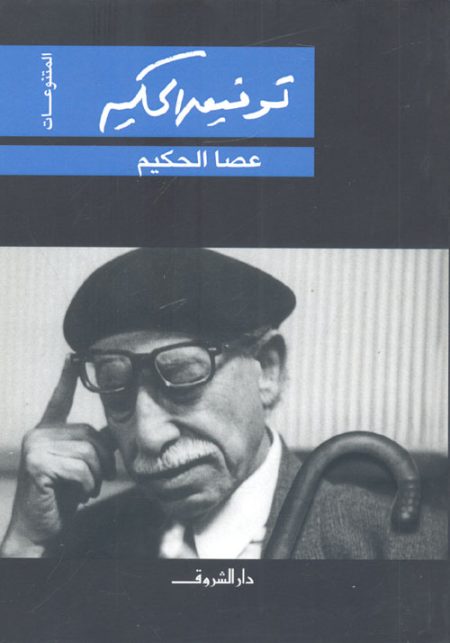
This collection of essays and intellectual and social reflections, presented in a satirical and symbolic style, explores issues of humanity, society, and life in a profound and fluid literary language.
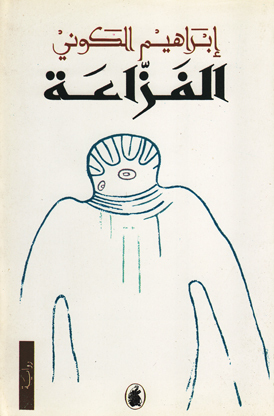
A novel with a symbolic desert atmosphere, blending myth and philosophical reflection on the relationship between man, nature, and existence, and evoking the world of the desert, its beliefs, and its spiritual questions.