962-7983-18423+
24/7 دعم

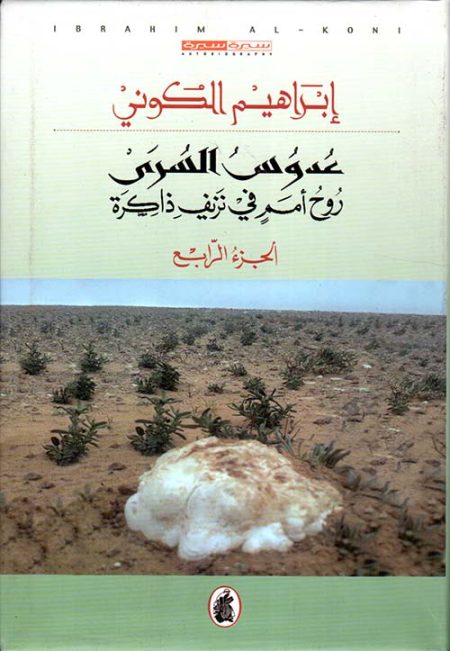
These are literary and intellectual memoirs that explore the journey of the self between the desert, exile, and the search for freedom, blending the retrieval of memory with reflections on humanity, society, politics, and the destinies of nations.

Texts that combine testimony and reflection, documenting Palestinian memory and evoking the details of people and places in the face of erasure and oblivion, in a profound and intense literary style.

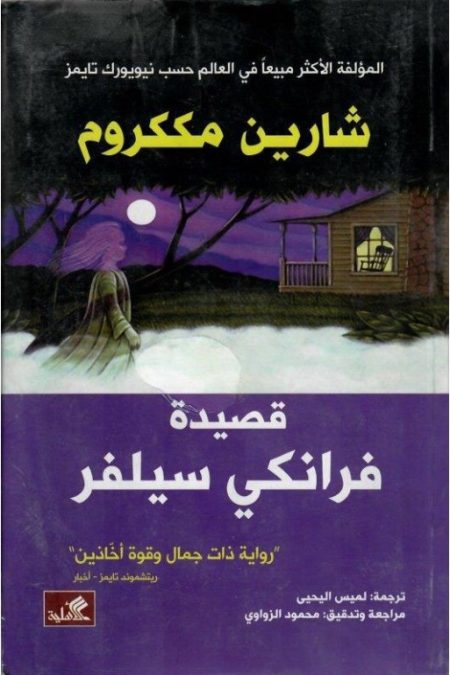
The novel takes place over the course of a single night, revealing the secrets of a turbulent period in Iraq’s history, through characters whose fates intersect between love, politics, and fear, in a narrative that blends human drama and social transformations.
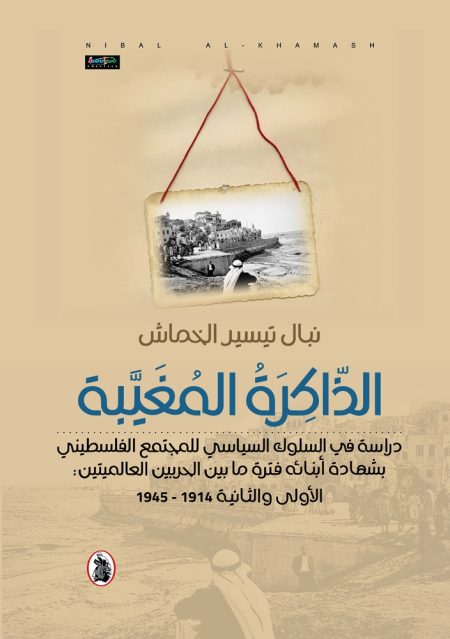
This is an analytical historical study that examines the political behavior of Palestinian society between 1914 and 1945. Drawing upon the testimonies, memoirs, and diaries of those who lived through that period, the work sheds light on the attitudes of the society and its responses to the political transformations and events of the time.

A novel that observes the lives of people in a coastal city through an eye that witnesses the harsh transformations in society, revealing the struggle between poverty and authority, and between man and his oppressive circumstances, in a profoundly realistic style that touches upon daily pain and human consciousness.
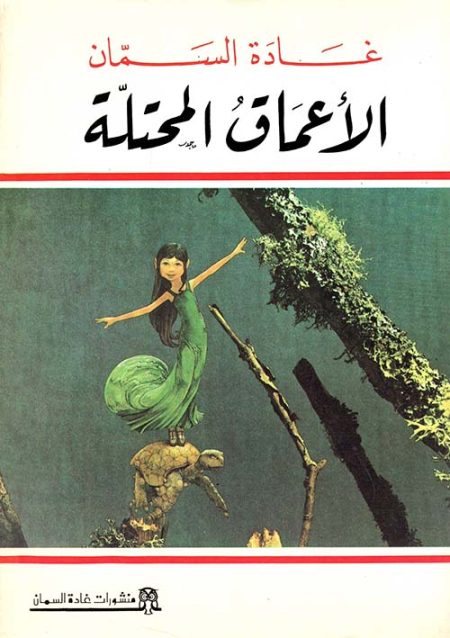
This book comprises literary and social essays addressing war, occupation, alienation, and human despair, along with reflections on love, freedom, women, and the Arab reality, all expressed in a critical, ironic language charged with rejection and sorrow.

This literary text addresses the transformations of the Arab individual amidst social and political changes, highlighting the individual’s struggle between oppression and the search for freedom and identity.
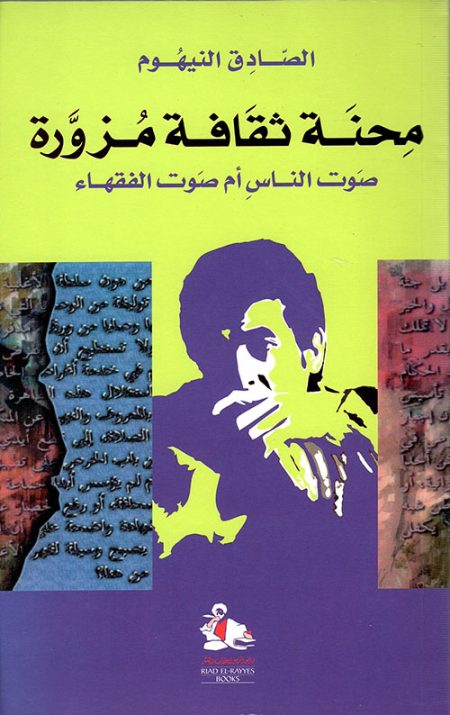
This book discusses the problematic nature of religious and social discourse, comparing the simple understanding of religion among the people with its monopolization by religious scholars, revealing the impact of this on consciousness, culture, and public life, in a bold and analytical critical style.
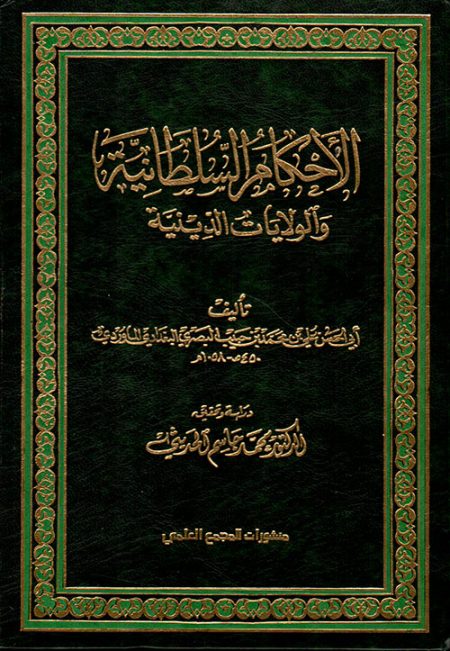
This book addresses the foundations of governance and administration in the Islamic state, clarifying the duties of the caliph, ministers, judges, and governors, while providing a detailed presentation of political and administrative systems according to Islamic jurisprudence.
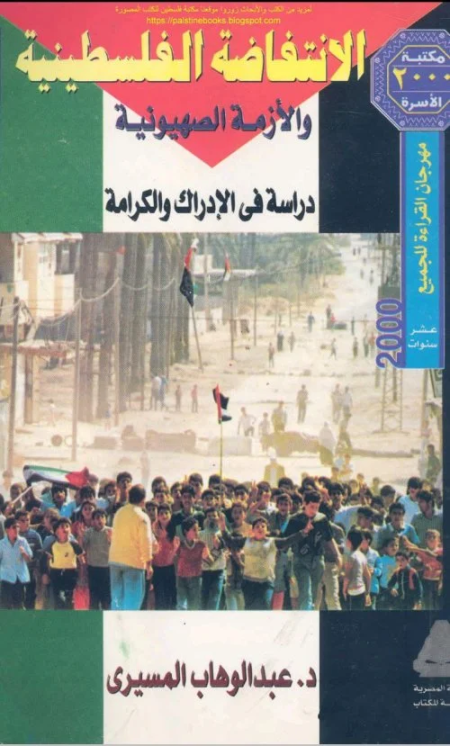
This is an intellectual and political study that examines the Palestinian uprising as an expression of human dignity and resistance consciousness, while also analyzing the intellectual and cognitive crisis within the Zionist project.

A documentary encyclopedia compiling testimonies, documents, and memoirs addressing Palestinian issues and events after 1967, including the conditions of prisoners, martyrs, and displaced persons, and the state of Palestinian cities and villages, with a precise record of historical facts and events.
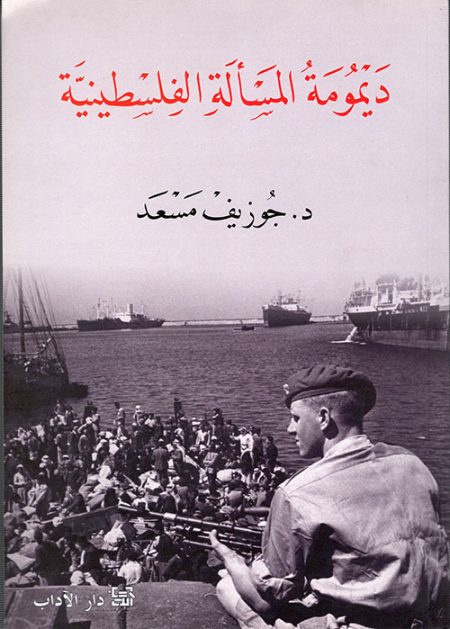
The book addresses the roots of the Palestinian question as an ongoing colonial issue, highlighting its connection to global political and intellectual structures. It also reveals how it has transformed into a battle of identity and existence, transcending the boundaries of space to become a comprehensive human and political issue.
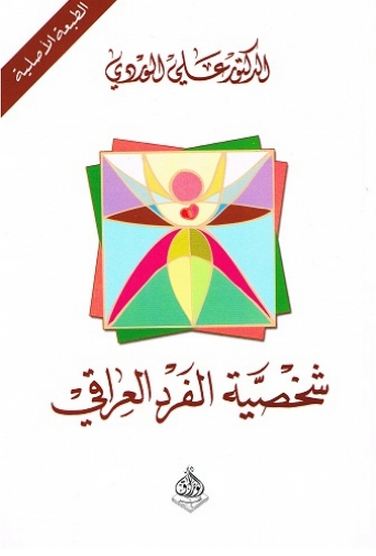
This analytical study explores the formation of the Iraqi societal personality and discusses its social and behavioral contradictions from a sociological perspective, explaining the roots of these traits through history, environment, and culture.
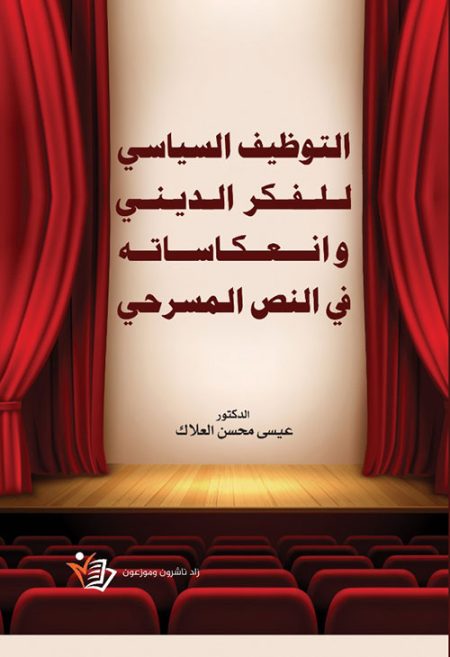
This critical study explores how religious thought is exploited for political purposes within theatrical texts, and reveals the impact of this exploitation on the dramatic structure and intellectual visions presented in contemporary theater.

This book discusses the relationship between political power and religious figures throughout history, analyzing how religious preaching has sometimes been used to justify power and the impact of this on society and its morals.
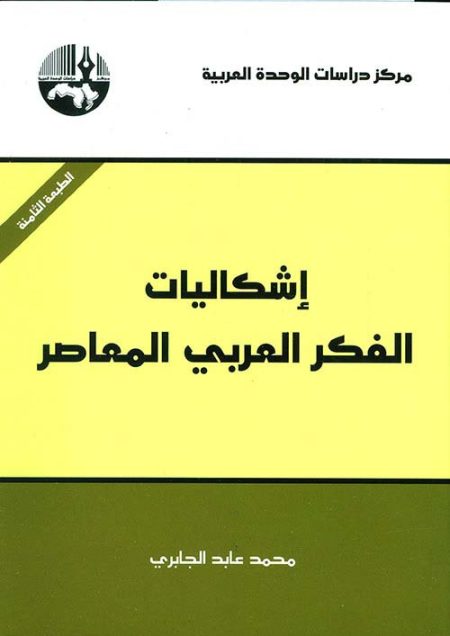
This book discusses the crises of modern Arab thought and its relationship to tradition and modernity, raising questions about identity, the Arab mind, and the possibility of building a contemporary intellectual project that combines authenticity and renewal.
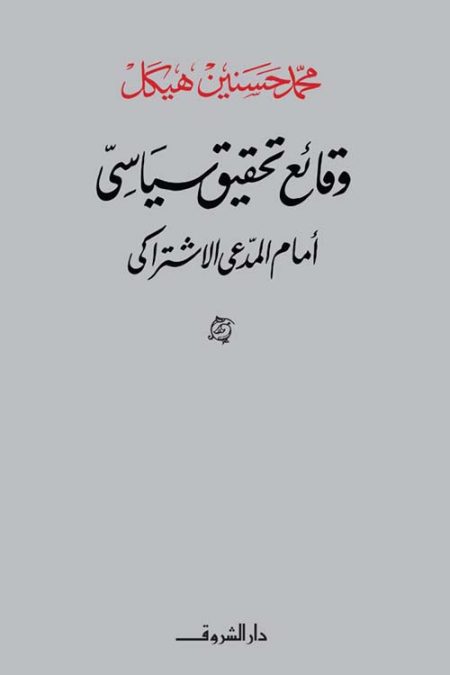
The book reveals the secrets of the political interrogation sessions during a turbulent period, offering a vivid picture of the inner workings of power, the conflicts, and the competing ideologies within the state apparatus. It presents the events in a realistic style that exposes the methods and pressures exerted during that era.
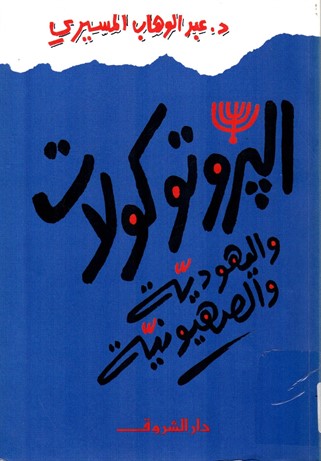
This is an intellectual and analytical study examining the roots of the Protocols of the Elders of Zion and their relationship to Zionist thought and Judaism, while critically deconstructing the associated historical and political contexts.

It deals with the psychological and social factors that shape the character of nations and peoples, and examines the impact of intellectual heritage, customs and beliefs on the emergence, development or decline of civilizations.
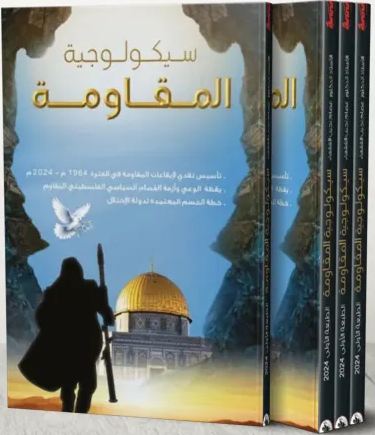
This is a psychological and cultural study that examines Palestinian resistance—in both its armed and civil forms—while analyzing its intellectual, social, and educational foundations. It further explores the roles of consciousness, willpower, culture, and literary creativity in strengthening steadfastness (*sumud*) and confronting the occupation.