962-7983-18423+
24/7 دعم


A bold social novel that reveals the contradictions of society through characters living in a single building, painting a realistic picture of corruption, ambition, and love in the heart of the modern city.

The novel follows a poet who returns to Lisbon in a politically turbulent atmosphere, where his daily life intersects with philosophical reflections and dialogues with the ghost of a deceased friend, in a narrative that blends reality and fiction with a profound and serene style.

This work addresses the generational conflict and the youth revolution against traditional ideas, presenting intellectual and social perspectives that discuss change, renewal, and the role of youth in shaping the future in a profound and direct manner.
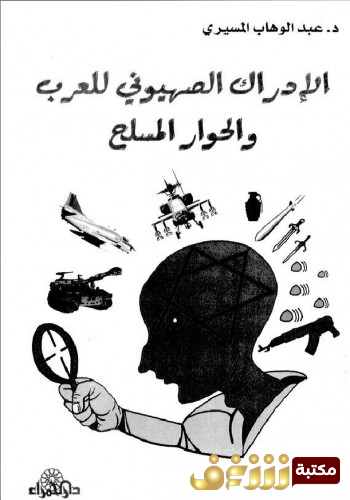
This analytical study examines how the mental image of Arabs is formed in Zionist thought and deconstructs the mechanisms of conflict and dialogue based on force rather than understanding. Mutual, while highlighting the dimensions of the intellectual and political conflict.

The story revolves around a young man, politically persecuted, who finds refuge in the home of a simple family. A complex human relationship develops, woven from fear, duty, and love. The narrative reveals the inner conflict of conscience between national belonging and the demands of personal life in a turbulent time.
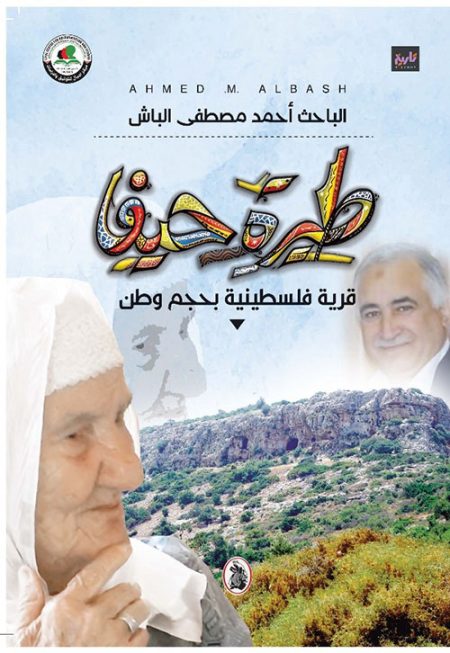
This work documents the history of the Palestinian village of Tirat Haifa, exploring its historical roots, the lives and customs of its families, and their journey both before and after the Nakba of 1948—serving as a testament that preserves the collective memory and national identity of the Palestinian people.
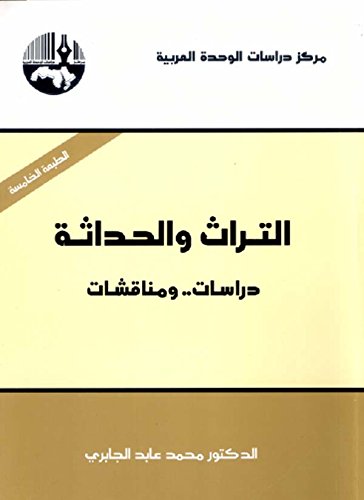
This collection of intellectual studies discusses the relationship between Arab heritage and modernity, exploring issues of thought, methodology, and cultural criticism through a profound philosophical and analytical approach.
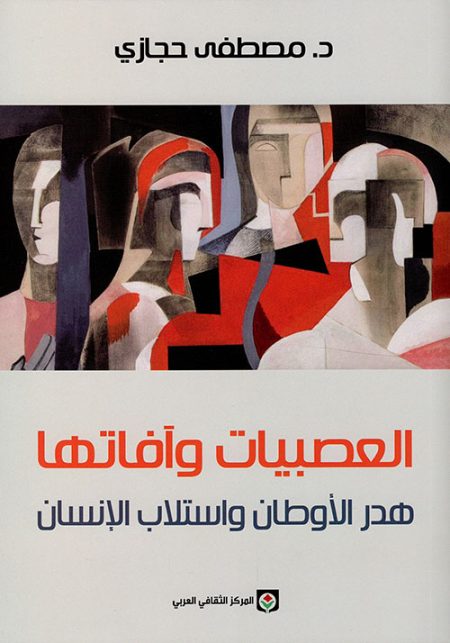
This is an intellectual and social study analyzing the impact of tribalism, despotism, and fundamentalist ideologies on Arab societies, and how they contribute to weakening individuals and squandering opportunities to build stable and progressive nations.
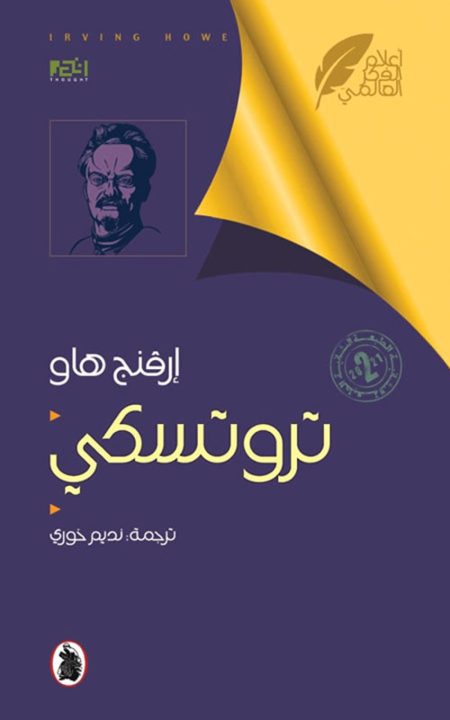
It serves as an intellectual and historical study of Leon Trotsky’s life and his political and revolutionary career, examining his ideas, his role in the Russian Revolution, and the political and ideological conflicts that defined the twentieth century.
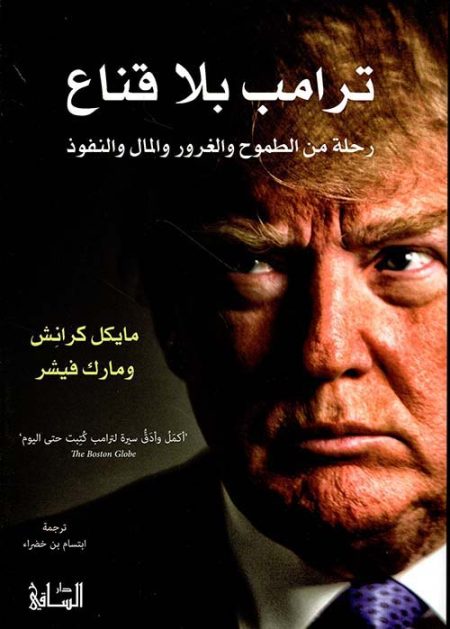
A well-documented biography that explores the origins of Donald Trump and his career in real estate and business. It examines his ambitions, relationships, and influence, as well as his rise to the presidency of the United States, while analyzing the personal, economic, and political factors that shaped his trajectory.
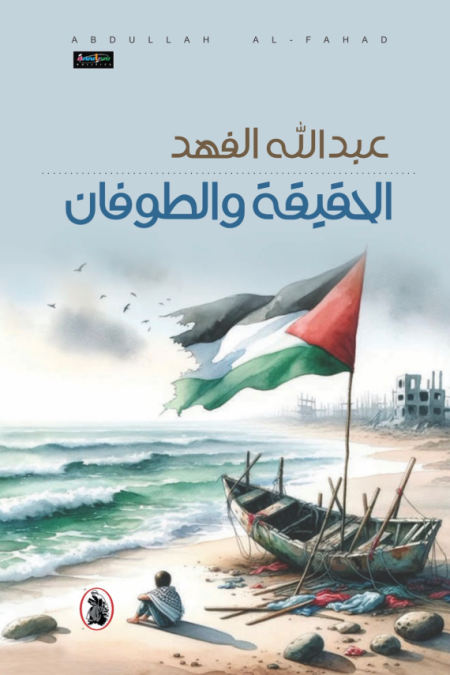
An analytical and critical examination of Zionist thought and Israeli occupation policies, addressing the Palestinian-Israeli conflict and the “Al-Aqsa Flood,” while highlighting the resistance of oppressed peoples against tyranny and despotism.
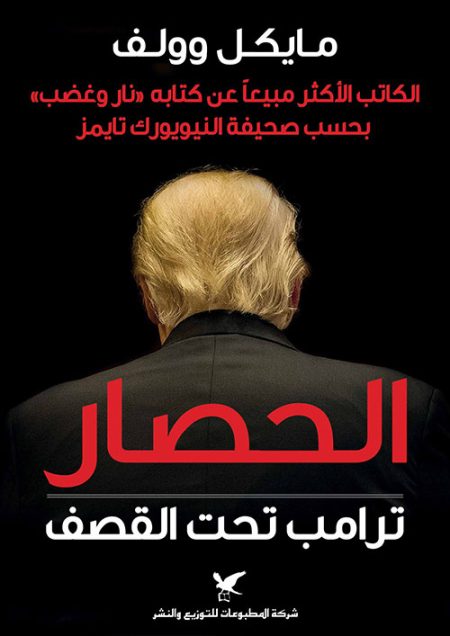
An investigative journalistic work that pulls back the curtain on the Donald Trump administration, shedding light on internal White House conflicts, the legal and political investigations surrounding his presidency, and the tensions that threatened its stability.
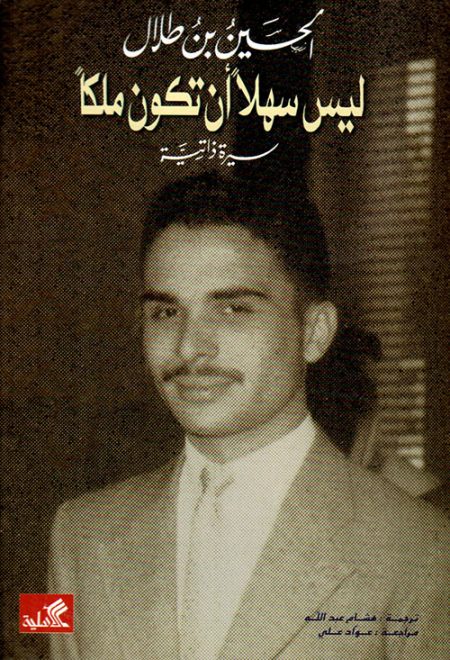
This autobiography chronicles the experience of governance and the accompanying political and humanitarian challenges. It sheds light on aspects of the author’s personal life, pivotal decisions, and Arab and international relations, while documenting significant events in Jordan’s history during a critical era of the twentieth century.
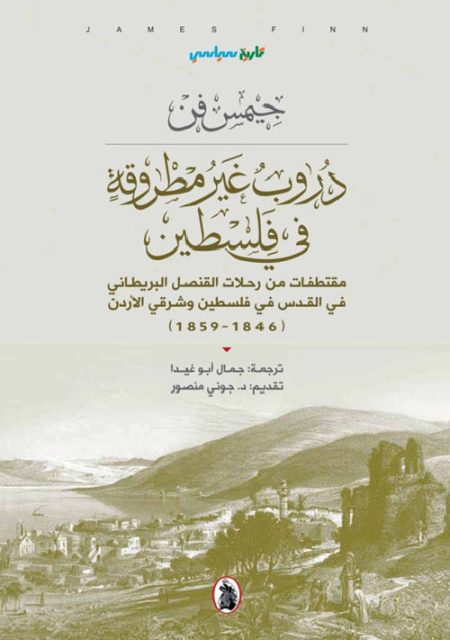
Within this context, the concepts of the “Promised Land” and the “Chosen People of God” occupy a vast and profound space in the Anglican consciousness. It documents observations and exploratory journeys throughout Palestine and Transjordan during the nineteenth century, examining villages, cities, terrain, natural and historical landmarks, and the conditions of the region; it provides historical and geographical material that reflects a picture of the land and its inhabitants during that period.
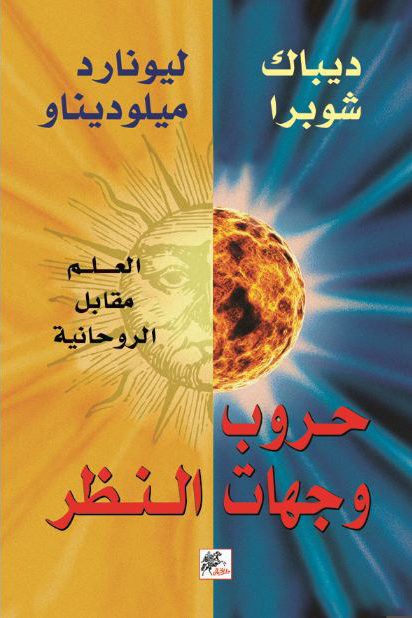
This book explores the clash of ideas and how different beliefs and perspectives influence the behavior of individuals and societies. It offers a philosophical and developmental perspective that helps readers understand intellectual differences and transform them into opportunities for rapprochement and inner peace.
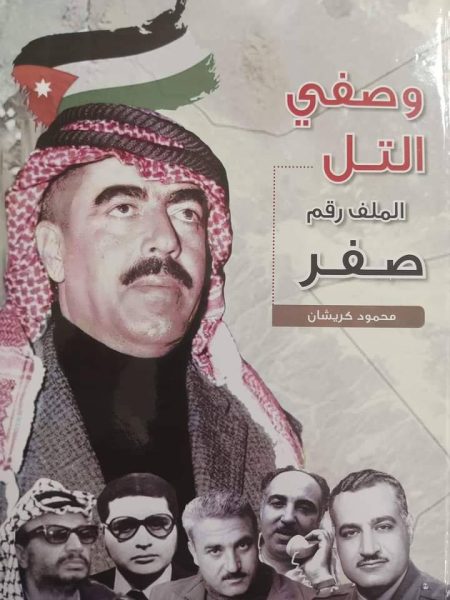
The book documents key phases in the life of Wasfi al-Tall, along with his political and national stances. It draws upon firsthand testimonies from senior officers and eyewitnesses, as well as documents and rare photographs that shed light on the events of “Black September” and their repercussions, revealing lesser-known aspects and details of modern Jordanian history.

This book addresses methods for dealing with intellectual and practical crises, and presents analytical perspectives on how to overcome individual and societal dilemmas and build a more balanced awareness in the face of challenges.
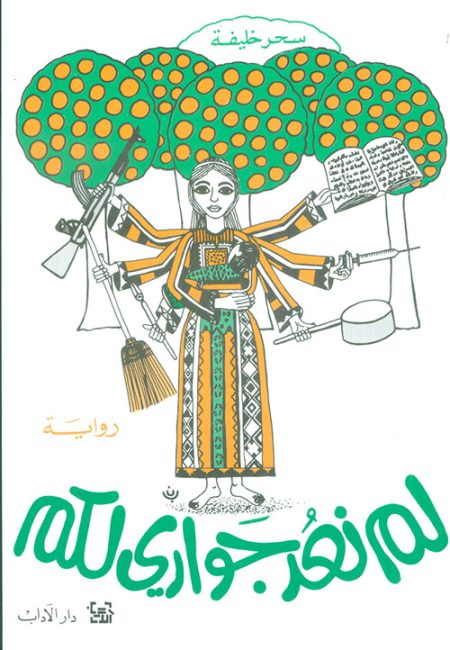
The novel portrays the suffering of Palestinian women within a society burdened by occupation and harsh traditions, revealing their struggle between external oppression and social constraints. It is a tale of silent resistance, in which the characters search for dignity and freedom amidst a reality rife with defeat.
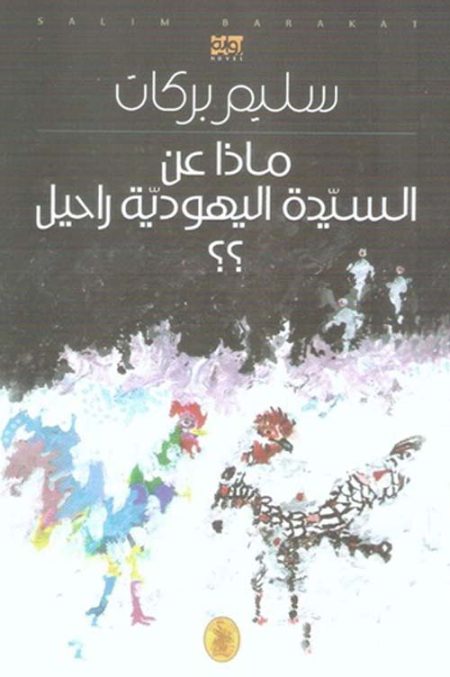
A novel that recaptures the atmosphere of Qamishli, Syria, after the 1967 war, exploring the lives of Jews, Kurds, and Armenians amidst fear, tyranny, and emigration, through a teenage romance that intersects with profound social and political transformations.
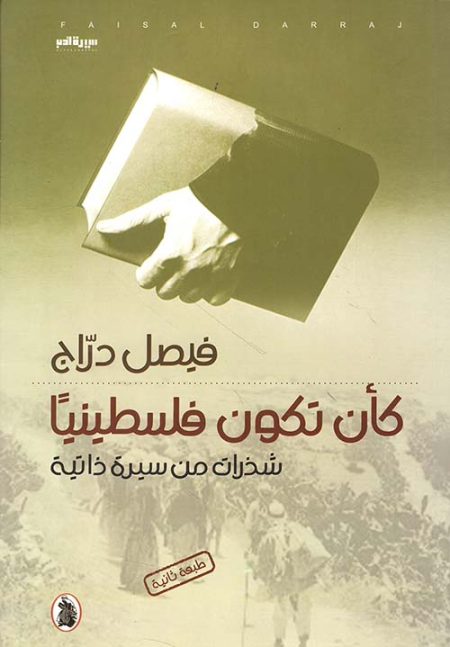
This autobiography explores the experience of being a refugee, living in exile, and enduring alienation. It weaves together personal recollections with the tragedy of the Palestinian Nakba and broader cultural and intellectual shifts, offering deep meditations on identity, homeland, memory, and the craft of writing.