962-7983-18423+
24/7 دعم

religions
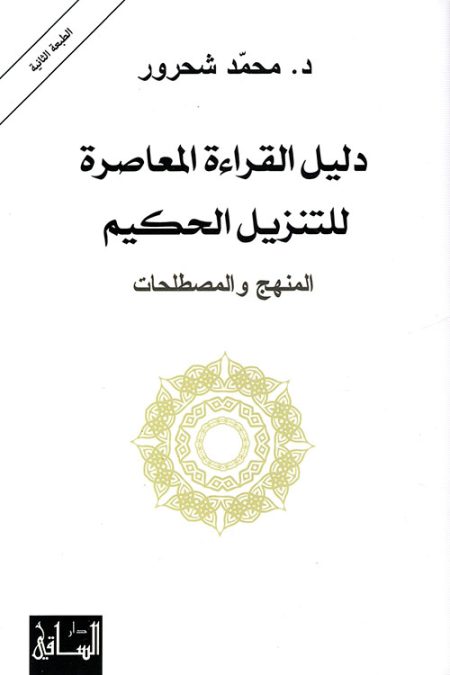
This book presents a modern methodology for understanding the Holy Qur’an, clarifying the essential terminology for interpreting texts in a contemporary manner. It addresses the relationship between the linguistic and historical context of the texts with a precise, analytical, and scholarly approach.
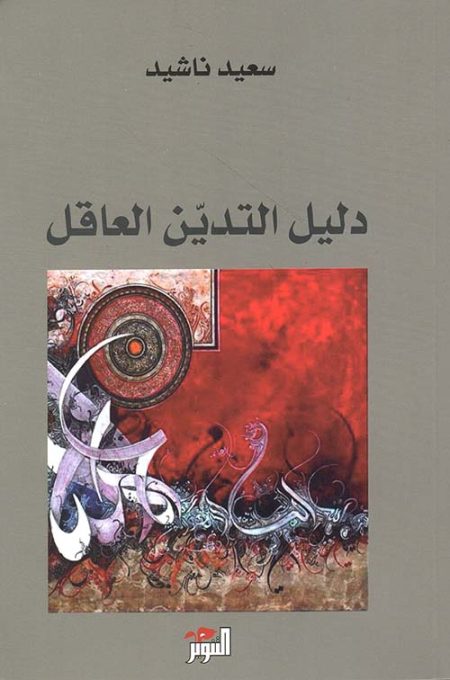
This guide offers a vision that calls for a deeper and more balanced understanding of religiosity by focusing on the human and intellectual dimensions of religious practices, moving beyond mere appearances and emotions, in a way that helps individuals build a conscious and balanced relationship with their faith.
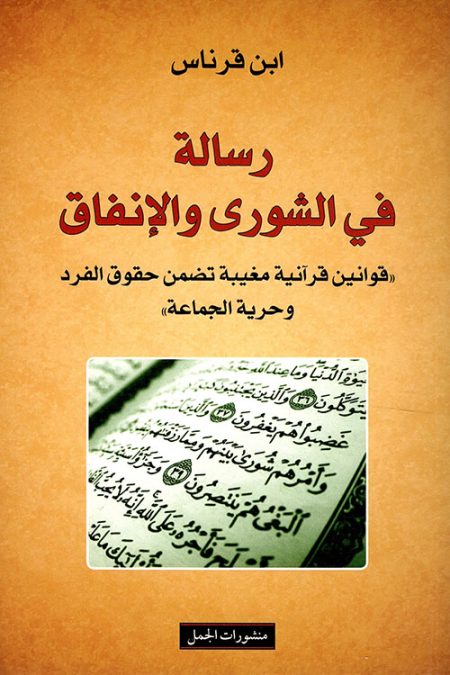
The book addresses the principles of consultation and spending as two Quranic systems that regulate the relationship between the individual and society, revealing how they guarantee social justice and the freedom of the community. It offers a critical intellectual reading aimed at reviving neglected values and establishing a moral and economic balance in public life.
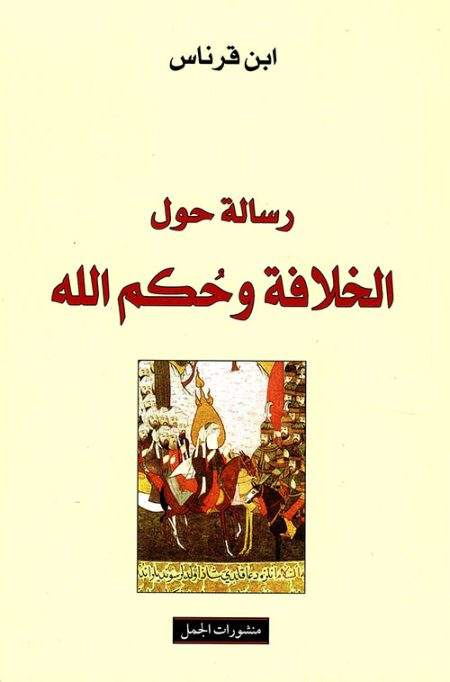
The book addresses the concept of the Caliphate and God’s sovereignty from a legal and intellectual perspective, discussing the religious foundations upon which governance in Islam is based, and distinguishing between human authority and divine legislation in a focused, dialectical manner.
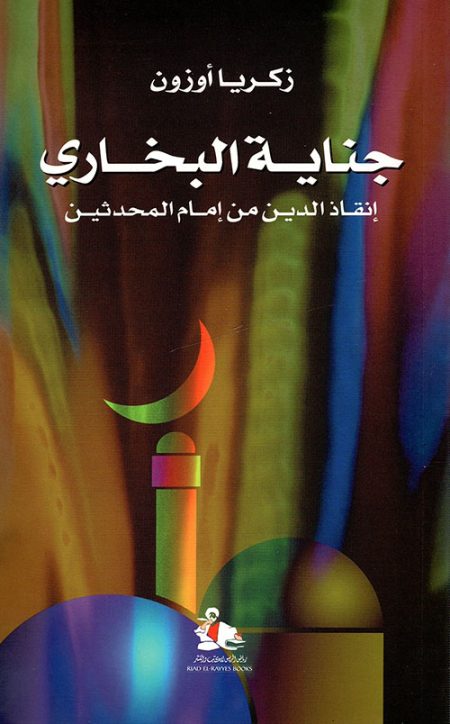
This book discusses the methodology of hadith compilation and raises critical questions about some narrations and their impact on religious understanding, offering a dialectical reading that aims to re-examine the narrative tradition. It employs a rational analytical approach to stimulate discussion about the relationship between religious texts and human history.
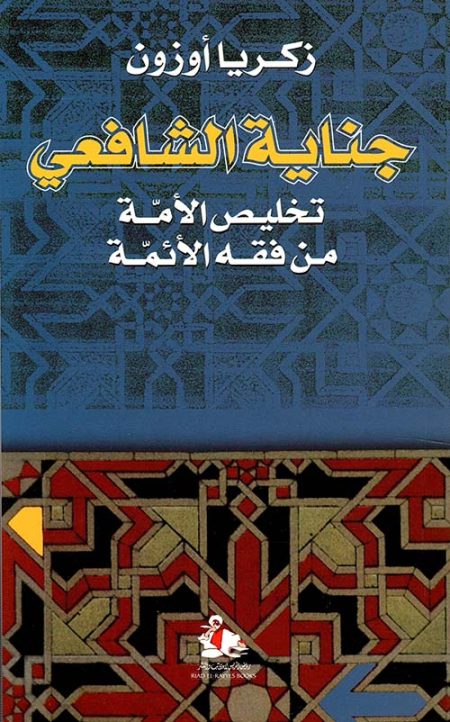
This book presents a bold critical reading of the jurisprudential heritage, discussing prevailing concepts and reconsidering the formation of Islamic jurisprudence and its impact on the nation’s reality, offering a vision that encourages review and analysis.
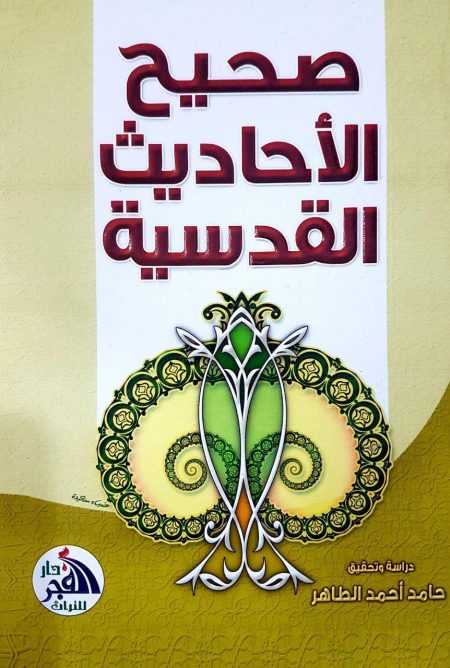
This book compiles authentic hadith qudsi in a clear and direct style, highlighting the values of faith and morality in the relationship between the servant and his Lord. It focuses on purifying the soul and deepening the spiritual understanding of Islam through reliable texts.
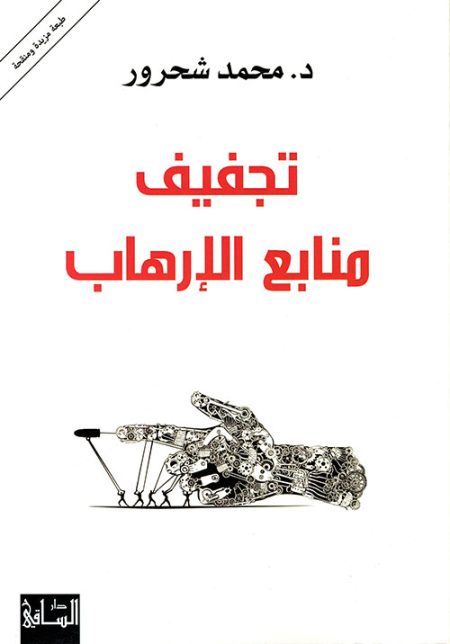
The book examines the roots of terrorism and its intellectual, social, and political causes, offering an in-depth analysis of ways to address and limit its spread. It connects religious texts with human values to foster a comprehensive understanding of combating extremism.
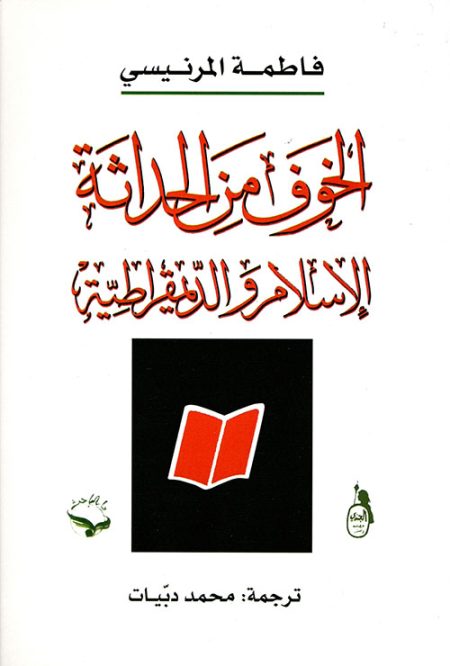
An analytical book that explores the relationship between Islam, modernity, and democracy, analyzing the intellectual and social concerns and challenges facing Muslim societies in an era of change.
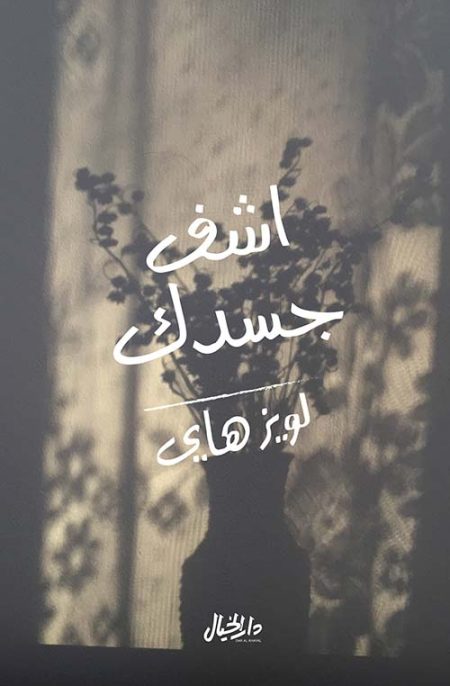
This book highlights the profound relationship between mind and body, explaining how negative beliefs can impact physical health. It provides a map of the psychological and spiritual causes of illness and suggests practical methods for healing by changing thought patterns.
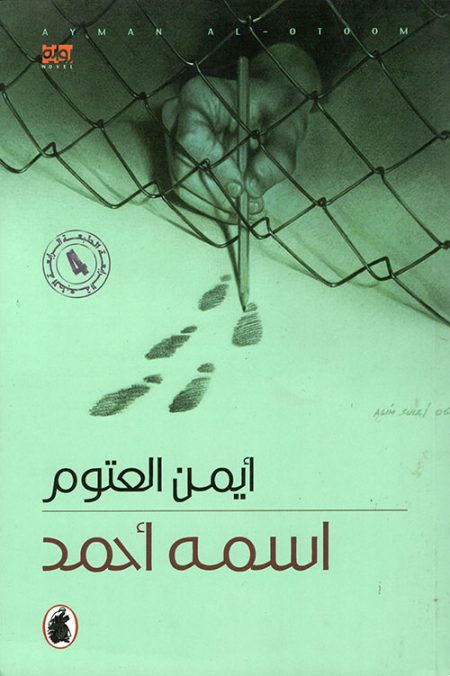
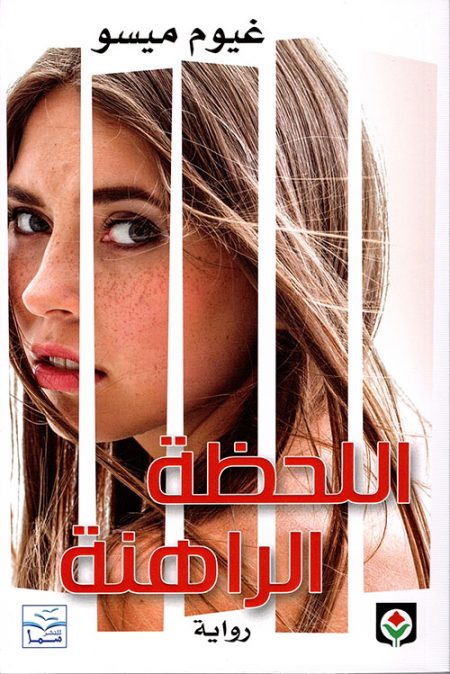
This novel tells the story of a central character named Ahmed, within a series of dramatic and moving events. It blends human and linguistic challenges in a rich and impactful narrative style that takes the reader on a journey into the human psyche and its transformations.
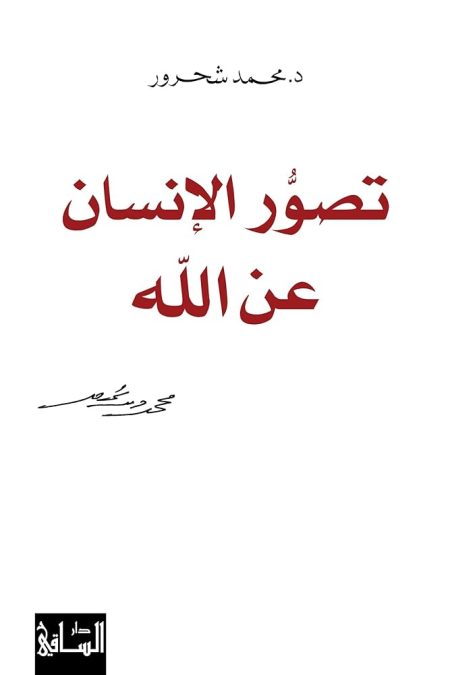
This book discusses humanity’s understanding of the concept of God and the relationship between faith and reason, explaining how religious doctrines can be reinterpreted in accordance with contemporary thought. It offers an analytical perspective that combines philosophy, religion, and sociology to understand the dimensions of faith.
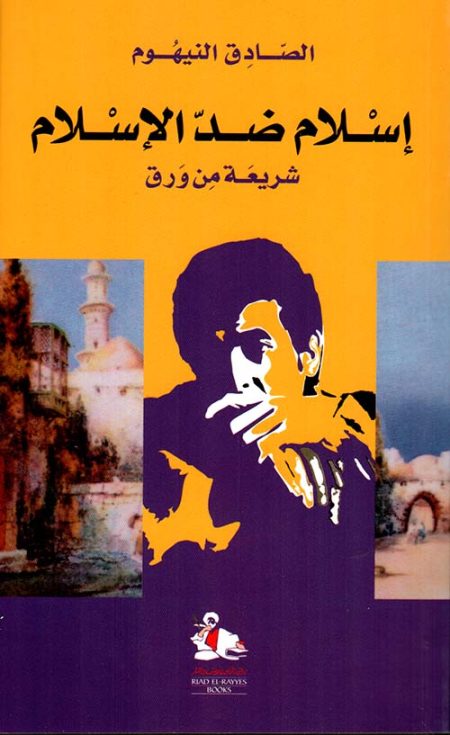
The book offers a bold and critical reading of religious thought as it is practiced socially, distinguishing between the essence of religion and the texts that have been transformed into tools of power and control. It poses provocative questions about the prevailing understanding of Islamic law and its relationship to reason, freedom, and humanity.
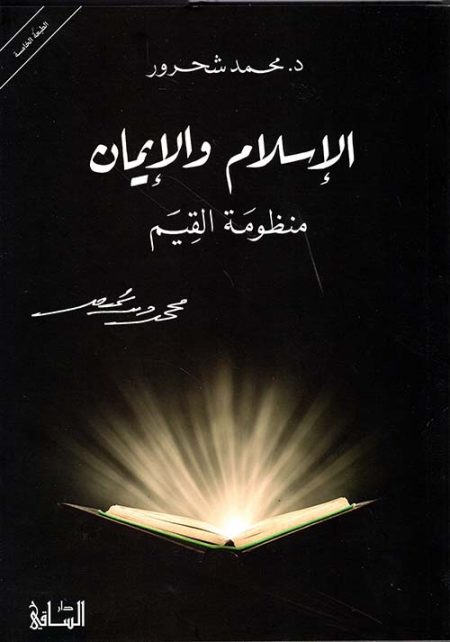
This book offers a contemporary reading of the concepts of Islam and faith, distinguishing between the two value systems in the Quranic text and highlighting how they can be understood beyond traditional interpretations, in order to build a moral and humanistic vision that is relevant to our time.
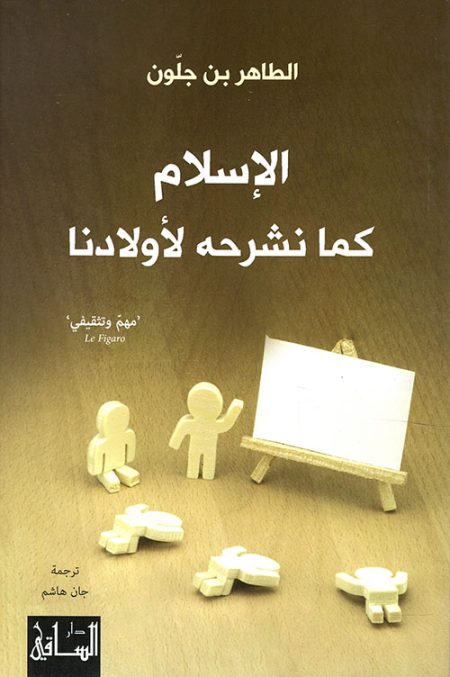
This book offers a simple and clear explanation of the fundamental principles and values of Islam, in a style suitable for children, instilling in them tolerance, love, and a humanistic understanding of religion, free from prejudice.
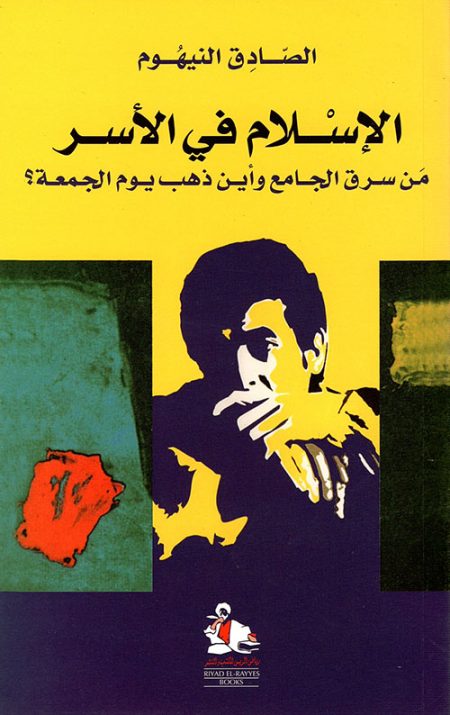
It is a critical intellectual text that re-examines questions of religion, society, and rituals from a bold, rational perspective, deconstructing prevailing assumptions with language that is sometimes satirical and at other times shocking. This opens the door to discussion about the role of the religious institution and its relationship with humanity, power, and public awareness.
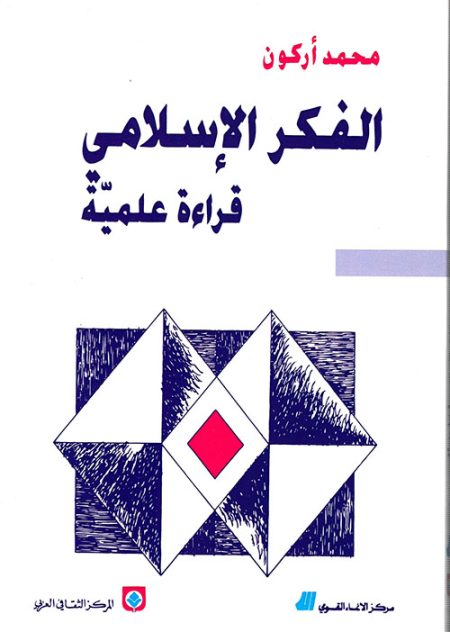
This book offers a critical analytical reading of Islamic thought from a contemporary scholarly perspective and re-raises questions about religious heritage and the methods of understanding it. It aims to open the door to intellectual renewal and expand the horizons of dialogue between religion and modernity.
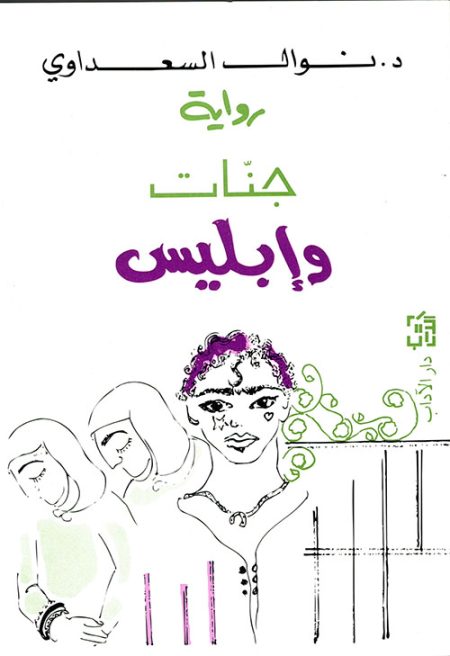
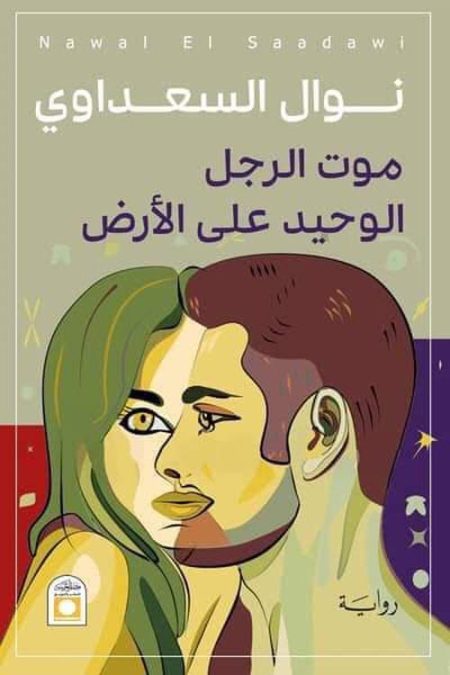
This intellectual narrative reinterprets the concepts of good and evil, woman and power, through a critical lens of religious and social heritage, revealing the contradictions between the sacred and human reality in a concise, symbolic, and reflective language.
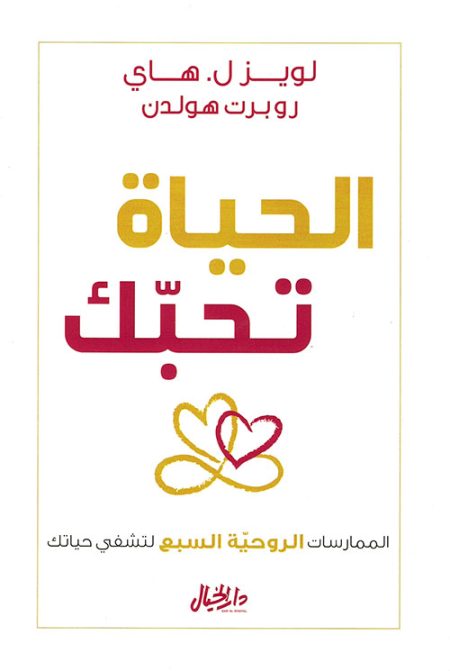
This book presents seven spiritual practices that help readers enhance their connection to self and life from a loving and reassuring perspective. It focuses on transforming fear into confidence and doubt into certainty through meditation and positive energy.
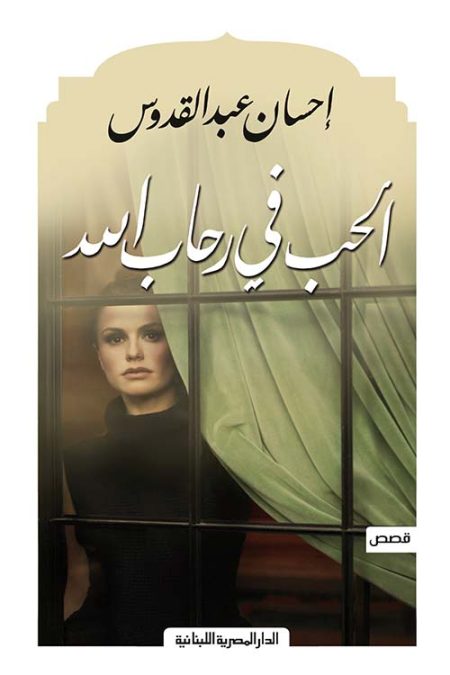
The book explores the meaning of love when it transcends mere human emotion and rises to the level of faith, connecting feelings with morality, conscience, and spiritual elevation. It offers profound human reflections that demonstrate how love can be a path to drawing closer to God and building a balanced relationship with oneself and others.