962-7983-18423+
24/7 دعم

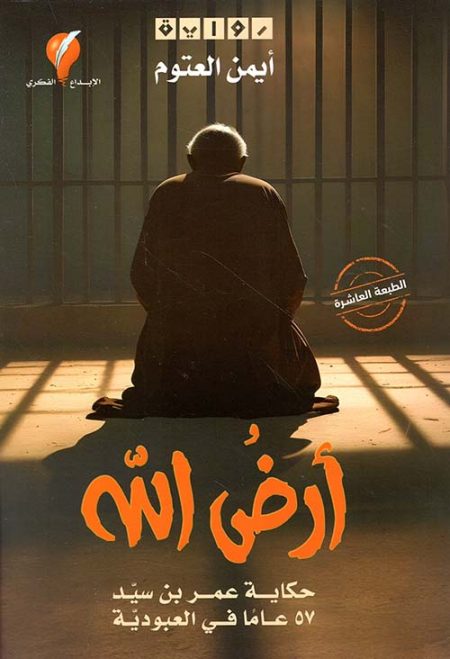
The novel follows the life of a man born in West Africa, captured by slave traders, and transported to America, where he lived for decades in slavery. Through his memoirs, it reveals the suffering of injustice and oppression, and the hope for freedom.
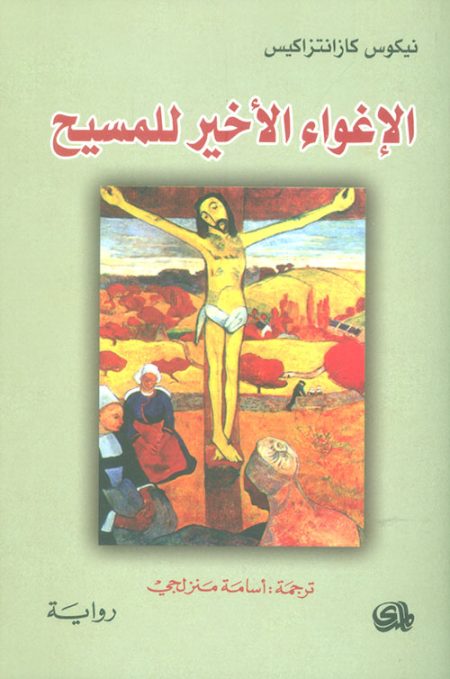
A novel that reinterprets the life of Christ within a humanistic and existential framework, focusing on his internal struggle between his spiritual mission and his human desires, in a bold treatment of the big questions about faith, choice, and sacrifice.
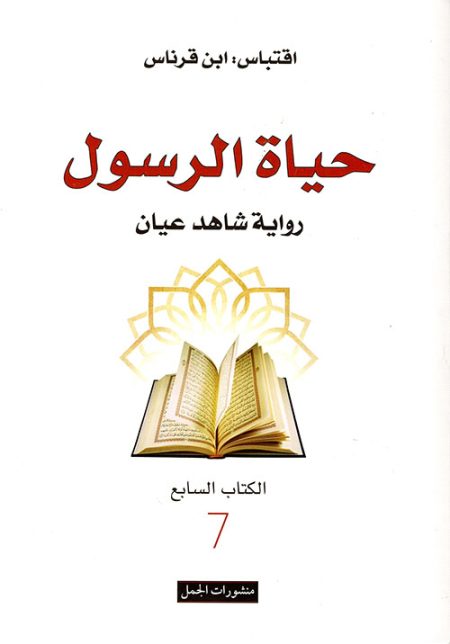
This literary narrative presents vivid scenes from the Prophet’s life in a humanistic and engaging style, bringing the reader closer to the details of daily life and pivotal events through a moving and direct language. It balances the spiritual and historical dimensions to offer a profound and emotionally resonant reading experience.
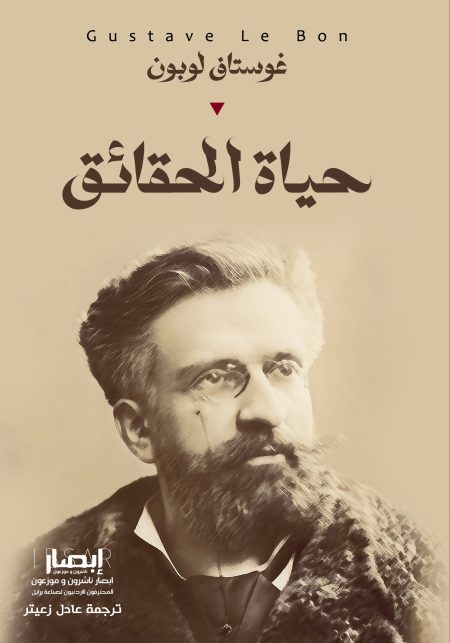
This intellectual study examines the origins of religious, philosophical, and ethical beliefs, clarifying how collective ideas are formed and transformed throughout history and their impact on the lives of societies.
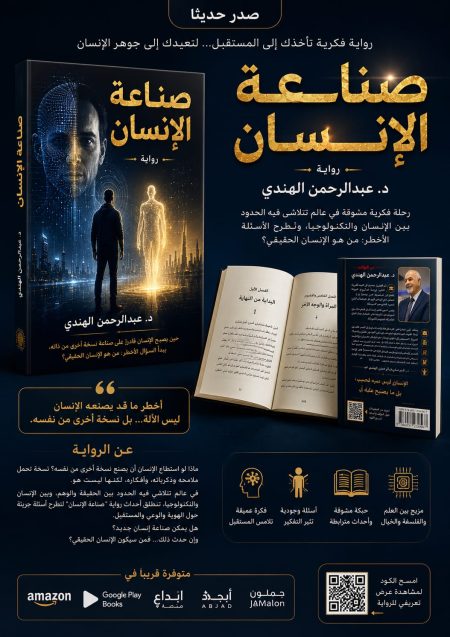
This book explores the foundations of building a balanced human personality from an Islamic perspective, focusing on self-purification and the development of awareness, behavior, and values that contribute to preparing individuals to fulfill their roles in life and society.
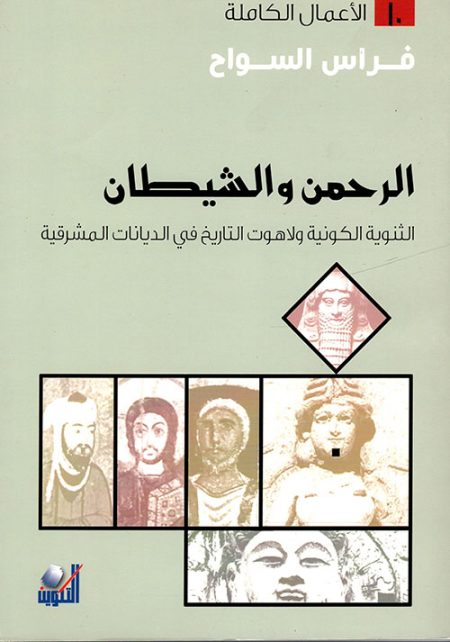
The book addresses the eternal struggle between good and evil from the perspective of cosmic dualism, offering a religious and philosophical analysis of the development of these ideas in Eastern religions and their impact on the understanding of history and theology.
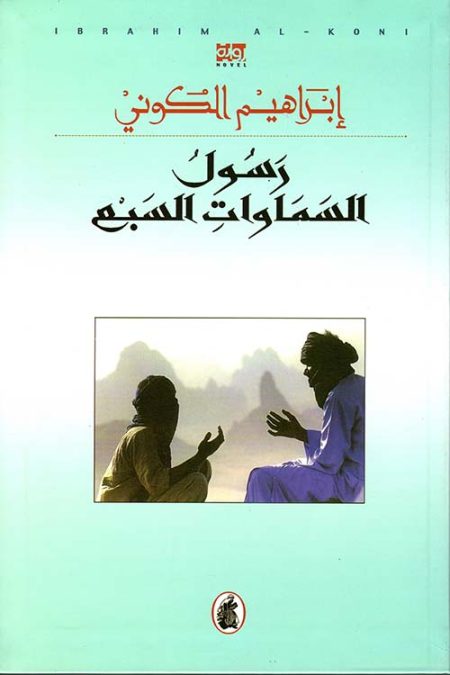
It is a realistic novel that examines groups living within a closed intellectual framework, raising questions about the understanding of religion and its relationship to governance and society, through human and psychological conflicts between the past and present.
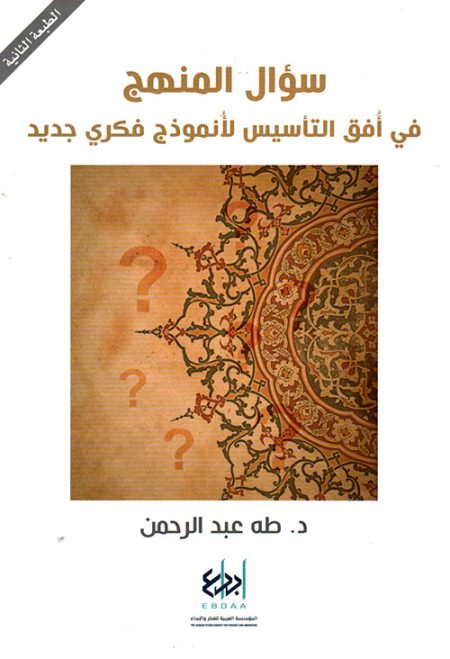
This philosophical and intellectual work discusses the problem of constructing an independent creative methodology within Arab and Islamic thought and seeks to establish a cognitive model that combines originality and renewal while critiquing intellectual subservience.
This book explores the world of Arabic and Islamic manuscripts through specialized scholarly research, highlighting their historical and scientific value, as well as methods for their preservation and maintenance.
This book explores the world of Arabic and Islamic manuscripts through specialized scholarly research, highlighting their historical and scientific value, as well as methods for their preservation and maintenance.
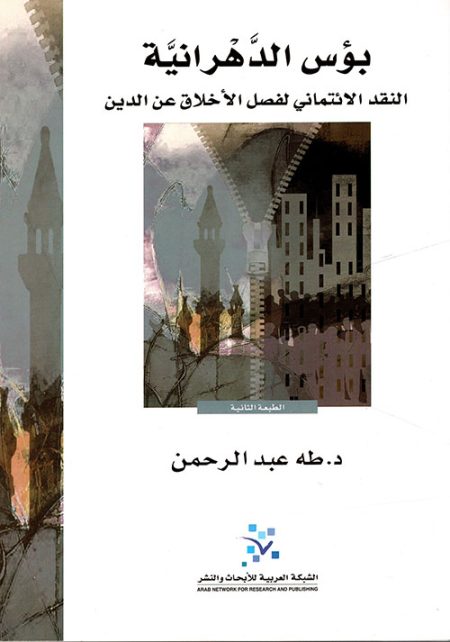
He engages in a profound critique of the separation of ethics from religion in modern thought and proposes an alternative vision that re-establishes moral values on an integrated spiritual and epistemological foundation, while simultaneously deconstructing the concept of radical secularism and its effects on humanity and society.
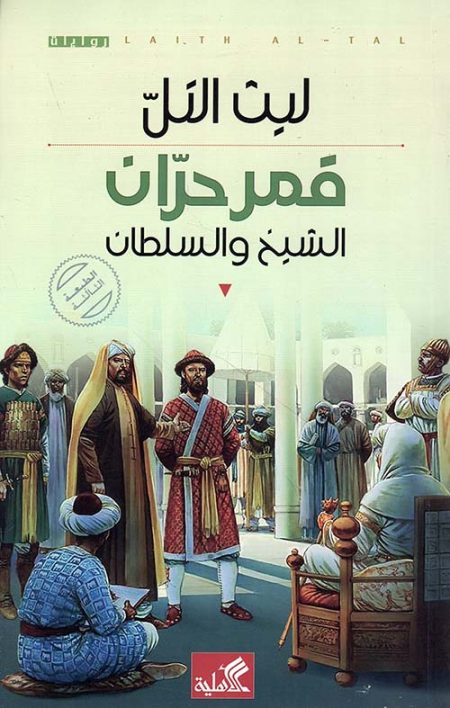
A novel inspired by historical and spiritual atmospheres, dealing with the struggle for power and influence between religion and politics, and delving into worlds of mystery and contemplation through exciting events and characters with deep intellectual dimensions.
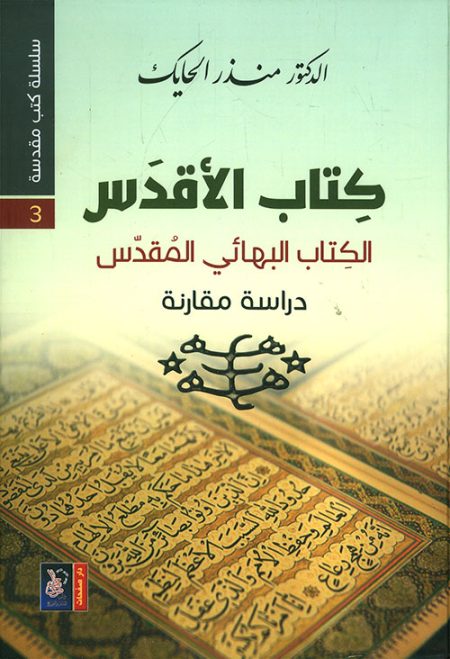
A religious and legislative book that is considered the central text in the Baha’i religion, it includes rulings and spiritual and moral teachings that regulate the relationship of man with his Lord and with society, and establish the principles of unity, peace and justice.
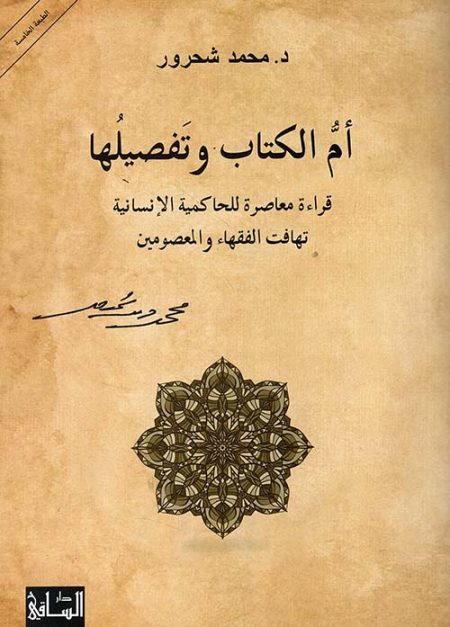
This work presents a new reading of the Qur’anic text from a contemporary human perspective, highlighting the concept of sovereignty as a human value system rather than a priestly authority, and calling for the liberation of religious understanding from doctrinal constraints and traditional interpretations.
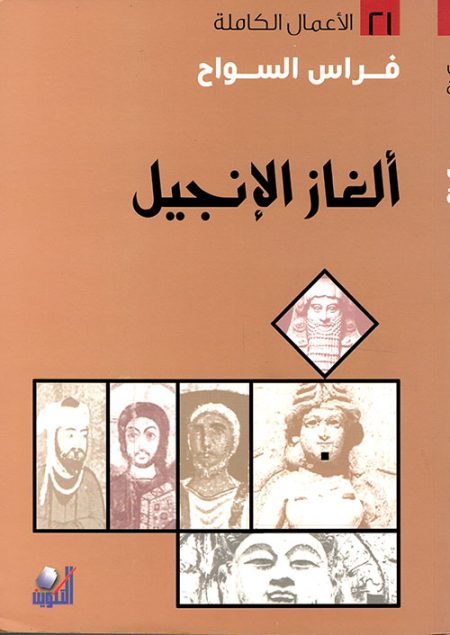
This book examines the texts of the Bible from a critical analytical perspective, revealing the contradictions and historical and intellectual secrets surrounding them, in a style that combines research and questioning.
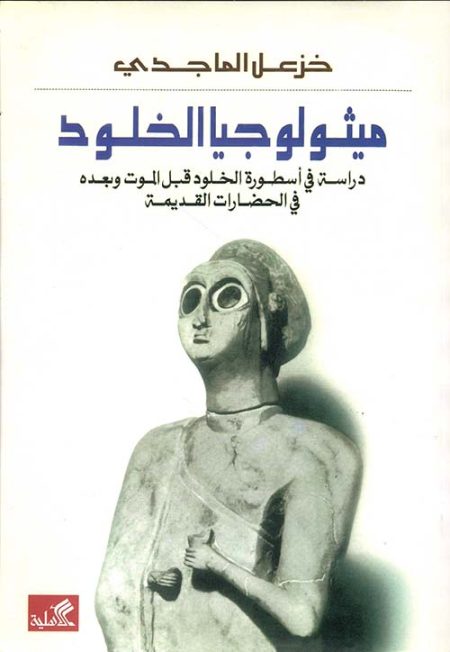
The work explores the concept of immortality in ancient civilizations through myths, religious texts, and ritual symbols, analyzing humanity’s eternal quest to transcend death and understand its existential destiny.
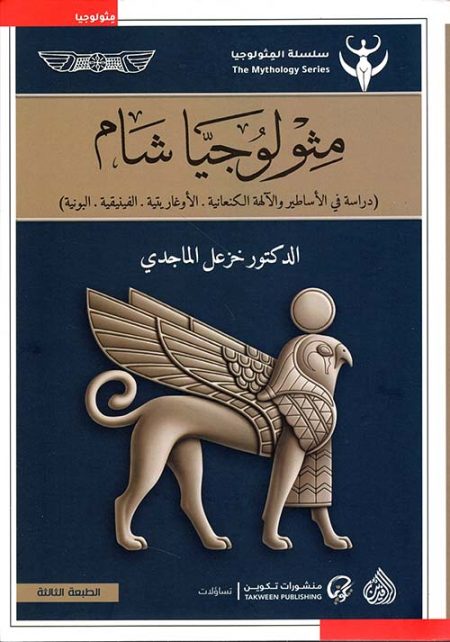
This in-depth study of ancient Levantine mythology examines the region’s deities, their myths, their symbolic structure, and their relationship to history and civilization. The book reinterprets the mythological heritage of the Levant within a civilizational and cultural context, revealing its roots and far-reaching influences.
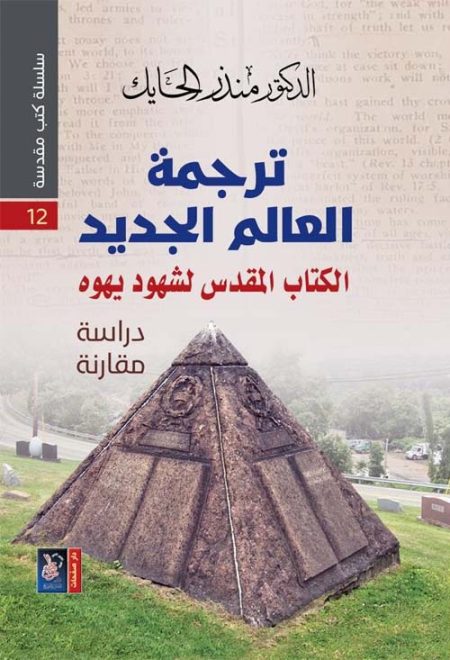
This contemporary Arabic translation of the sacred texts of Jehovah’s Witnesses offers a modern and clear style, aiming to make religious meanings accessible to the reader in a simple and precise manner that reflects the community’s doctrinal understanding.
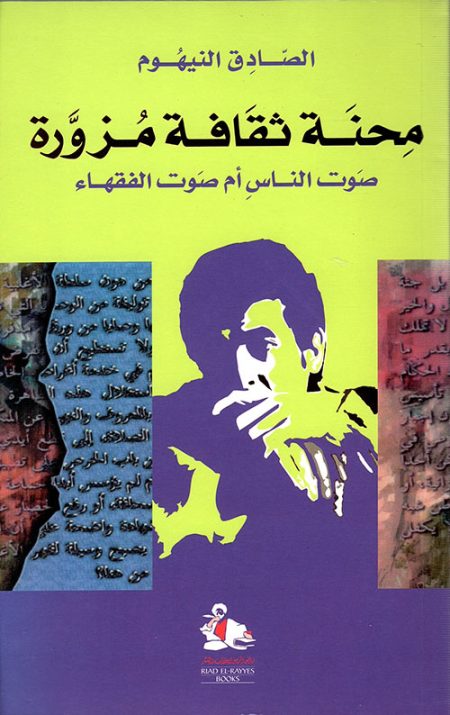
This book discusses the problematic nature of religious and social discourse, comparing the simple understanding of religion among the people with its monopolization by religious scholars, revealing the impact of this on consciousness, culture, and public life, in a bold and analytical critical style.
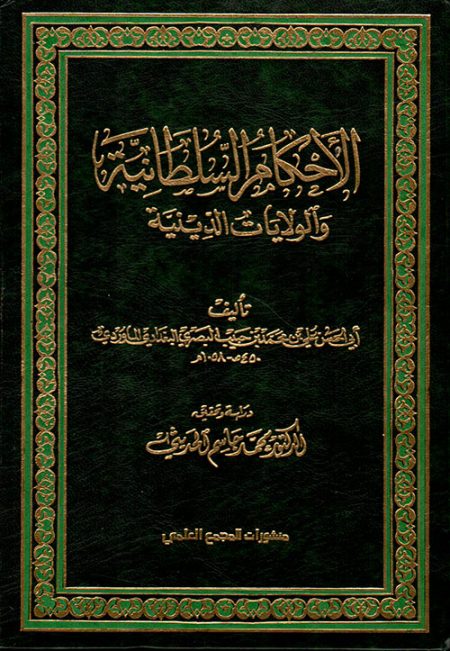
This book addresses the foundations of governance and administration in the Islamic state, clarifying the duties of the caliph, ministers, judges, and governors, while providing a detailed presentation of political and administrative systems according to Islamic jurisprudence.