962-7983-18423+
24/7 دعم

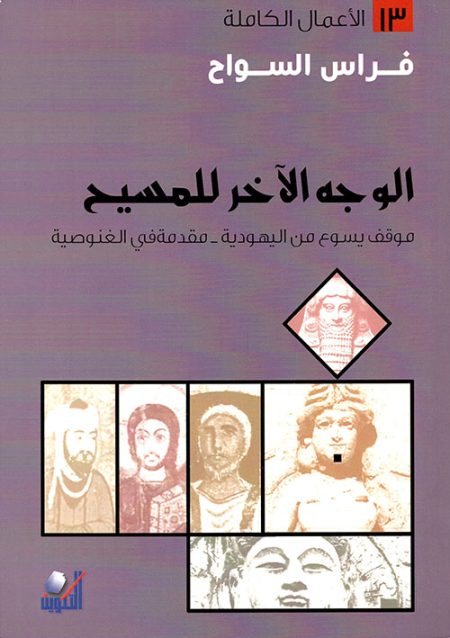
This critical intellectual study examines the figure of Jesus from a different perspective, analyzing his stance on Judaism within a historical and philosophical context, while also addressing the roots and influence of Gnostic thought.
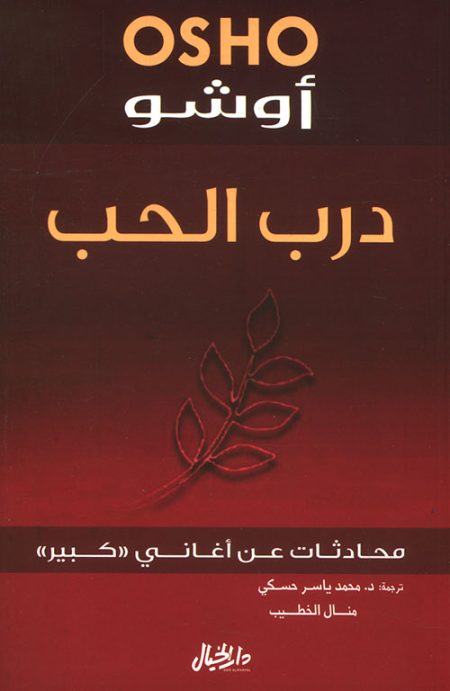
This book offers profound reflections on love as a spiritual path through a symbolic and contemplative reading of Kabir’s songs, inviting the reader to discover themselves and transcend towards inner awareness.
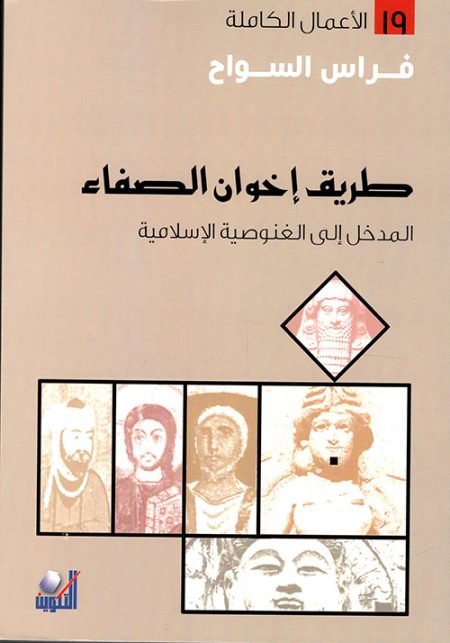
This book examines the thought of the Brethren of Purity as an entry point for understanding the Gnostic dimension in Islamic heritage, revealing the interplay between philosophy, religion, and spiritual symbolism in their construction of knowledge.
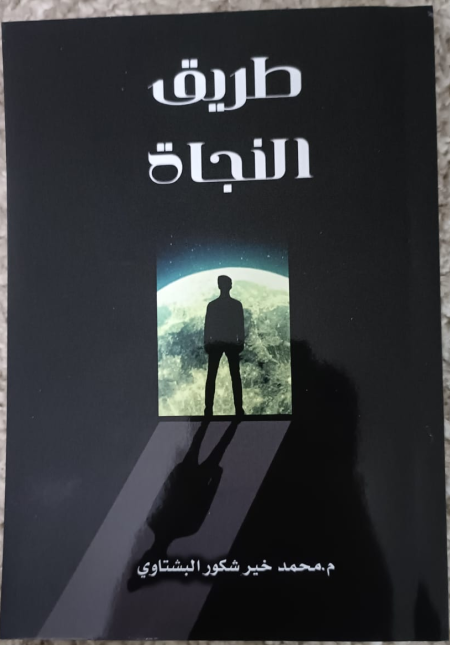
This book addresses paths to guidance and psychological and spiritual reform, presenting religious and educational concepts that help the reader build a righteous life based on faith and morality.

This book is a work of Islamic jurisprudence and hadith, offering a concise explanation of hadiths related to legal rulings. It connects the legal text with its jurisprudential implications and presents the opinions of scholars with their preferred view based on evidence, using a clear and direct style that serves the student of Islamic knowledge.
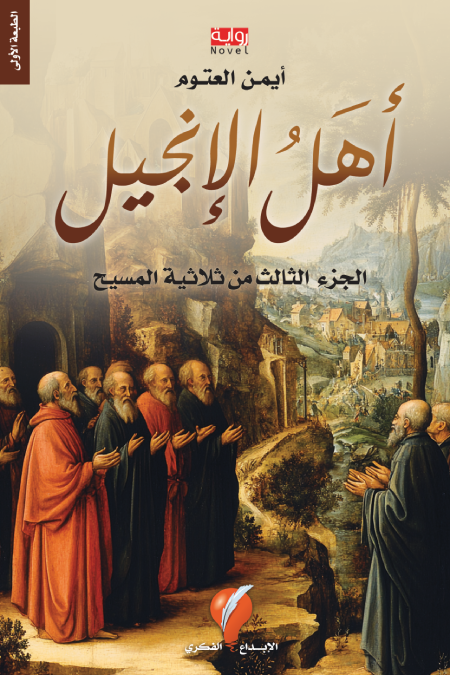
An epic historical novel that continues, after the ascension of Christ, the story of Paul’s missionary work, the doctrinal conflicts, his journeys, and the heroic deeds and exploits of the apostles up to the end of the first century AD.
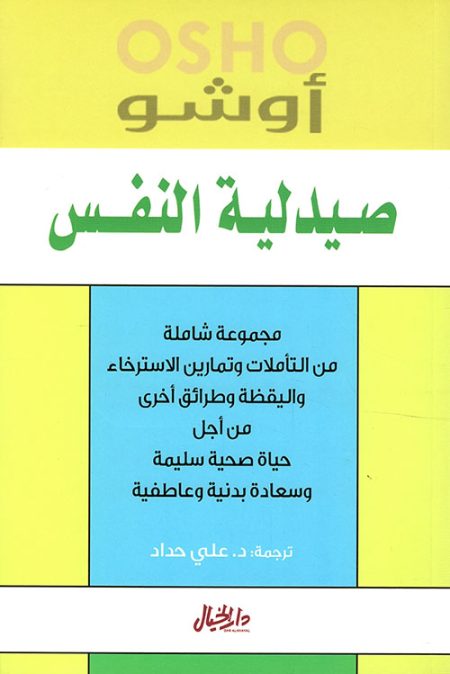
This book addresses the psychological and spiritual aspects of humanity in a meditative style, offering insights into self-understanding, releasing stress and inner turmoil to achieve inner peace.
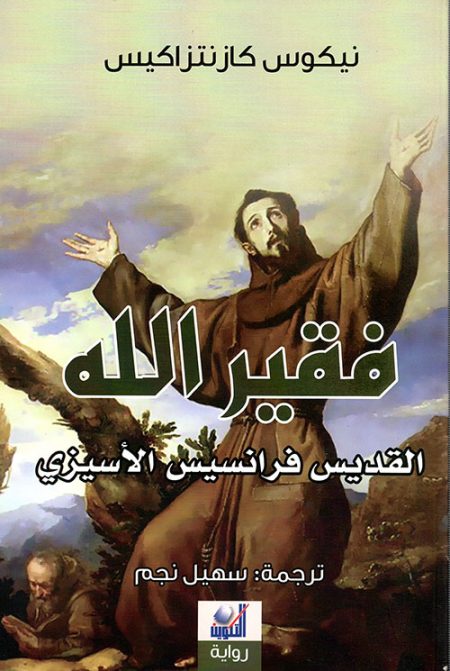
This spiritual biography explores the life of an ascetic saint who chose poverty as his path to salvation, and it embodies his inner struggle between the flesh and the soul in his profound search for divine love and complete detachment from the world.
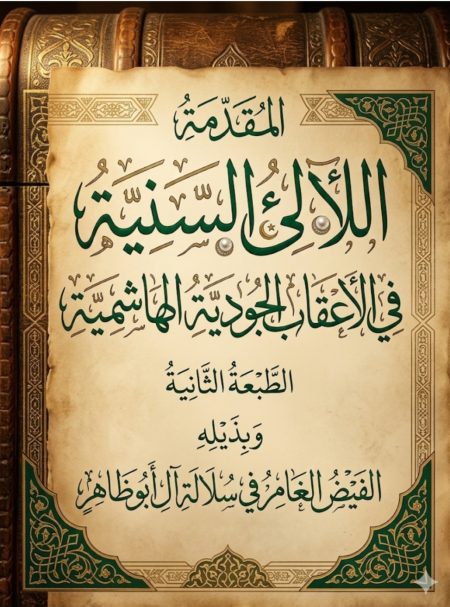
This book documents the Hashemite lineage and recounts historical and spiritual narratives connected to the dynasty, highlighting its heritage and religious identity within a concise and compelling narrative.
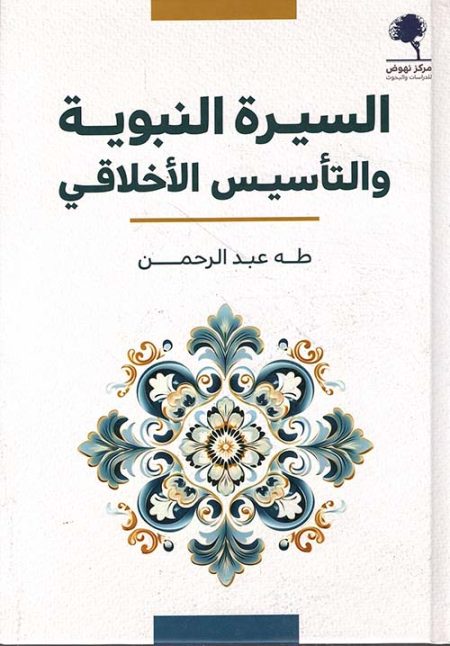
This philosophical and ethical reading of the Prophet’s biography highlights it as the foundation for building values and ethics, and re-examines the understanding of the biography beyond traditional historical narratives.
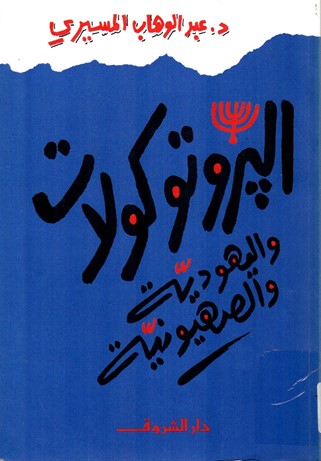
This is an intellectual and analytical study examining the roots of the Protocols of the Elders of Zion and their relationship to Zionist thought and Judaism, while critically deconstructing the associated historical and political contexts.
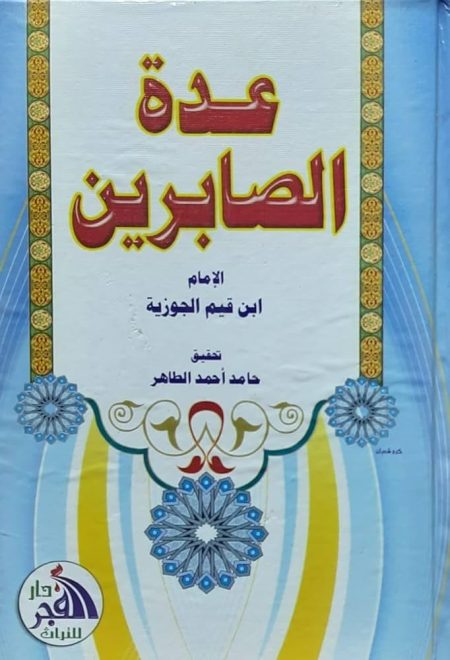
The book explores the meaning, essence, and levels of patience, demonstrating its impact on self-purification and facing trials. It connects patience to faith, inner conviction, and practical conduct, employing a profound and persuasive style based on reasoned argument and contemplation.
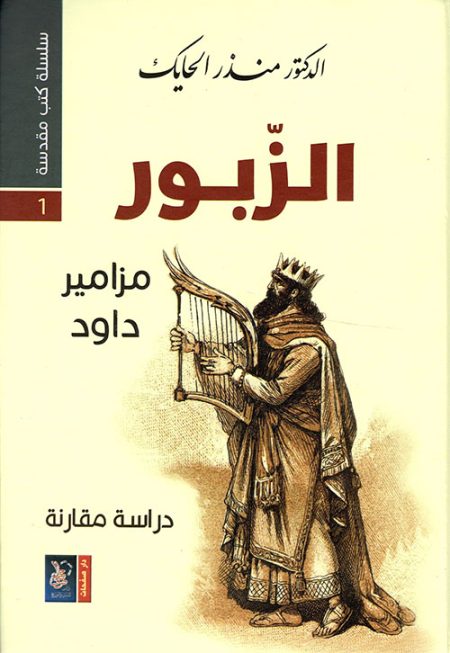
This analytical study compares the texts of the Psalms of David in their various sources, tracing their religious, historical, and linguistic dimensions, while offering a critical reading that seeks to understand their context and meaning within both Islamic and biblical traditions.
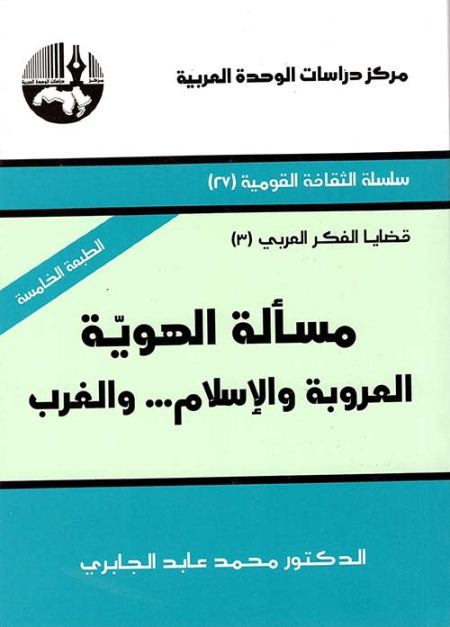
The book addresses the issue of Arab identity and its relationship to Arabism, Islam, and the West, through an intellectual framework that discusses cultural and political challenges and their impact on shaping contemporary Arab consciousness.
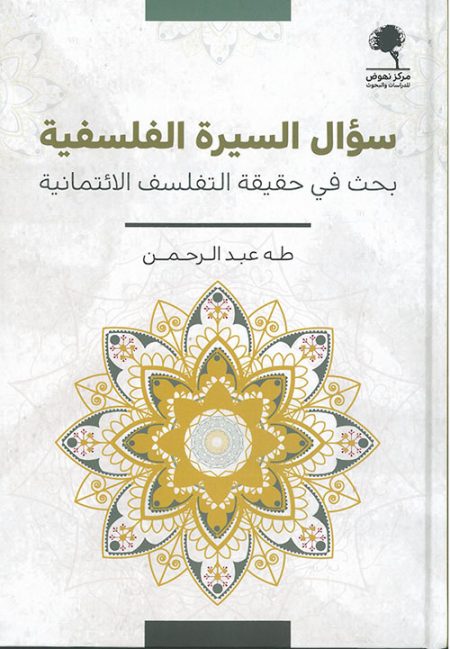
This book explores the meaning of true philosophizing as a living ethical path, and reconnects philosophy with wisdom and religion through a critique of modern philosophical conceptions and a call for an authentic, trust-based philosophy.
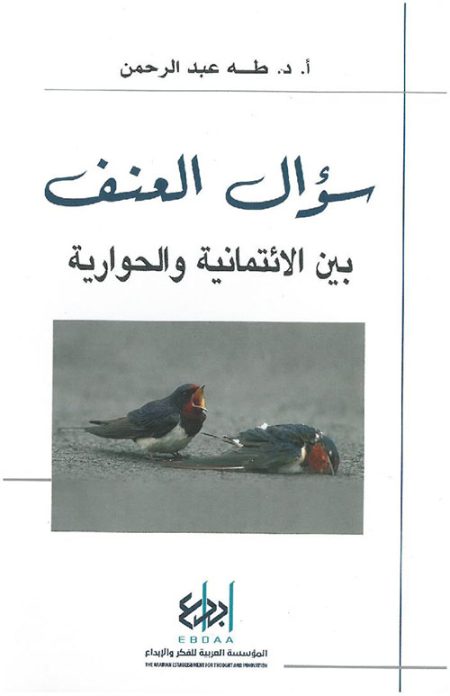
This book discusses the phenomenon of violence from a philosophical and ethical perspective, analyzing its intellectual and psychological roots and its relationship to dialogue, religion, and human values, while offering a critical vision for addressing violence through trust and dialogue.
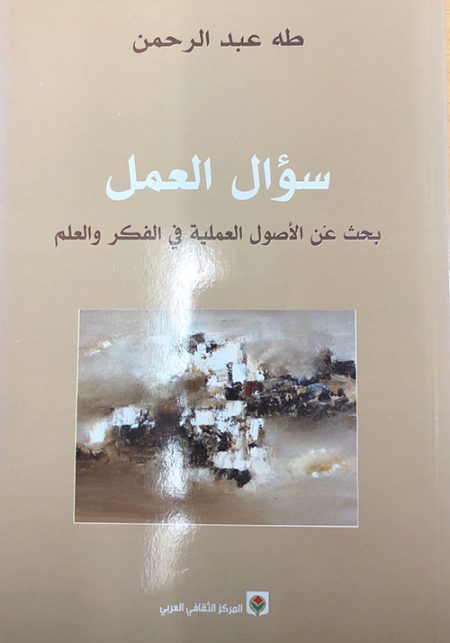
A philosophical and intellectual book that discusses the relationship between work and thought, and examines the practical foundations upon which knowledge and science are based from a profound ethical and Islamic perspective.

This book explores the personal relationship with the Holy Quran and invites the reader to interpret its verses as messages directed to them in their daily lives, in a contemplative style that combines spiritual and intellectual dimensions.
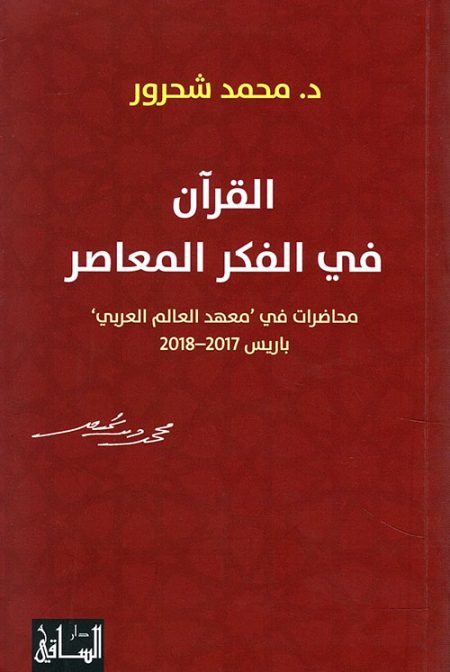
This book presents a contemporary reading of the Holy Quran, aiming to reinterpret the religious text beyond traditional interpretations, through a rational approach that connects faith with modern human thought.
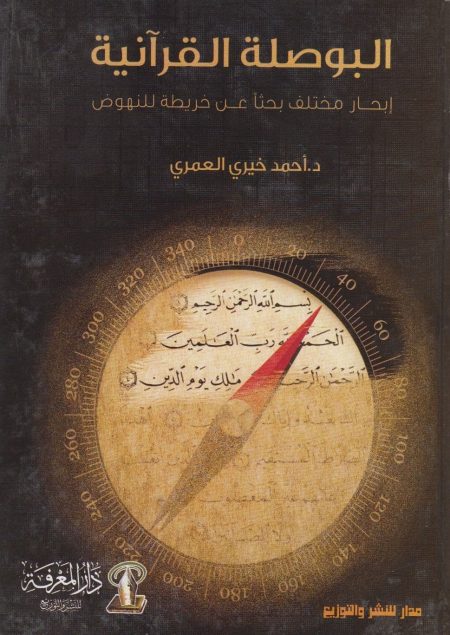
This intellectual work examines the Quran as a methodology for civilizational advancement and the reconstruction of consciousness. It presents a reflective reading that connects faith, reality, and societal change, emphasizing the role of reason in understanding the Quranic message.