962-7983-18423+
24/7 دعم

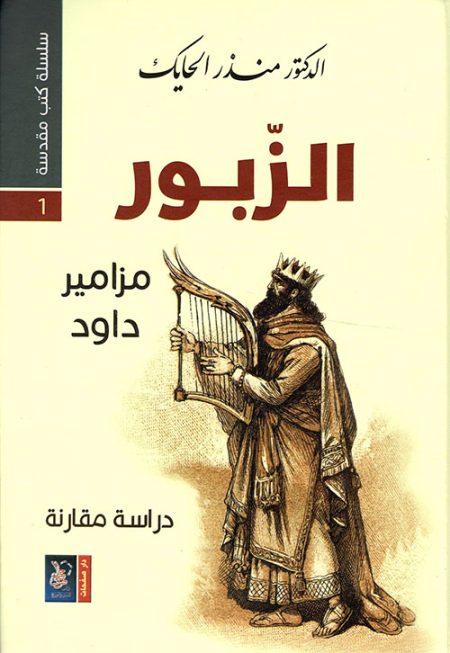
This analytical study compares the texts of the Psalms of David in their various sources, tracing their religious, historical, and linguistic dimensions, while offering a critical reading that seeks to understand their context and meaning within both Islamic and biblical traditions.
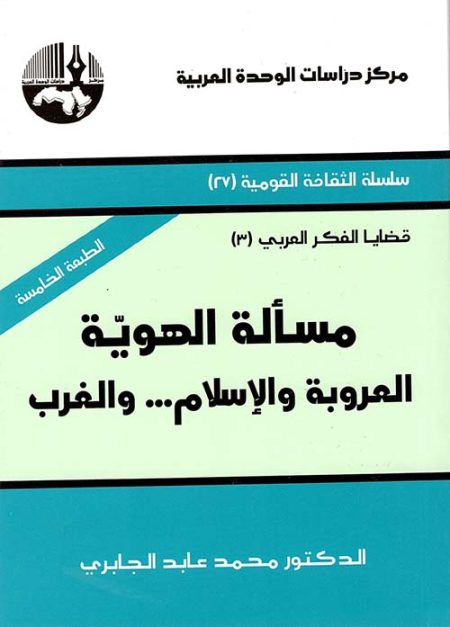
The book addresses the issue of Arab identity and its relationship to Arabism, Islam, and the West, through an intellectual framework that discusses cultural and political challenges and their impact on shaping contemporary Arab consciousness.
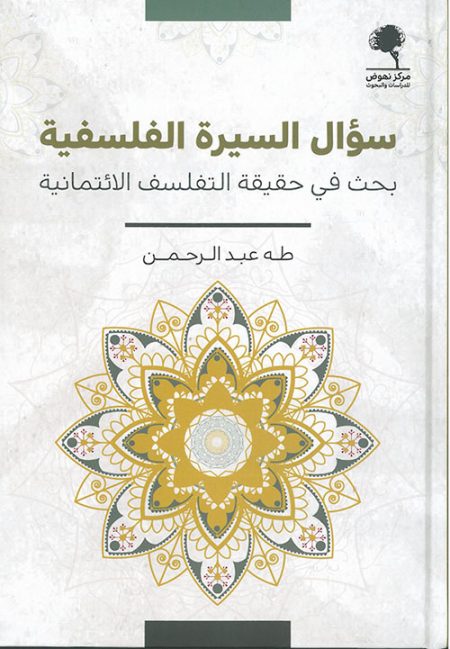
This book explores the meaning of true philosophizing as a living ethical path, and reconnects philosophy with wisdom and religion through a critique of modern philosophical conceptions and a call for an authentic, trust-based philosophy.
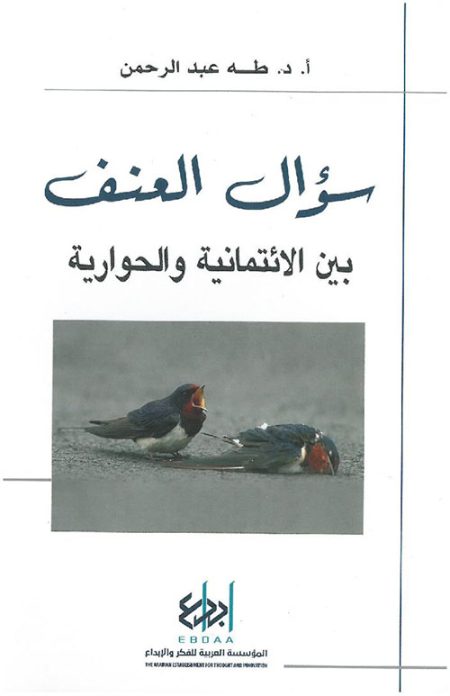
This book discusses the phenomenon of violence from a philosophical and ethical perspective, analyzing its intellectual and psychological roots and its relationship to dialogue, religion, and human values, while offering a critical vision for addressing violence through trust and dialogue.
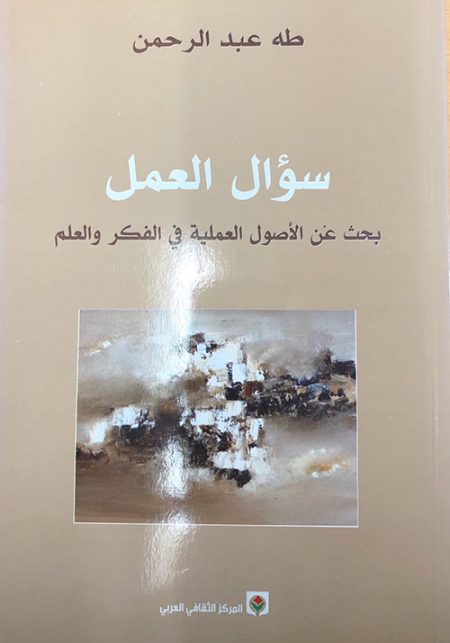
A philosophical and intellectual book that discusses the relationship between work and thought, and examines the practical foundations upon which knowledge and science are based from a profound ethical and Islamic perspective.
This book explores the personal relationship with the Holy Quran and invites the reader to interpret its verses as messages directed to them in their daily lives, in a contemplative style that combines spiritual and intellectual dimensions.
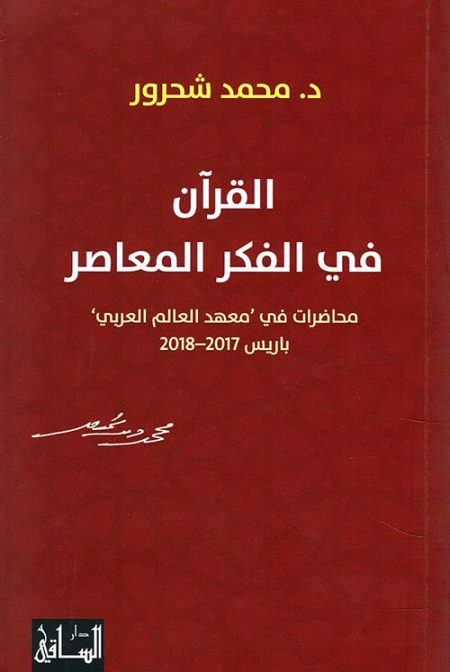
This book presents a contemporary reading of the Holy Quran, aiming to reinterpret the religious text beyond traditional interpretations, through a rational approach that connects faith with modern human thought.
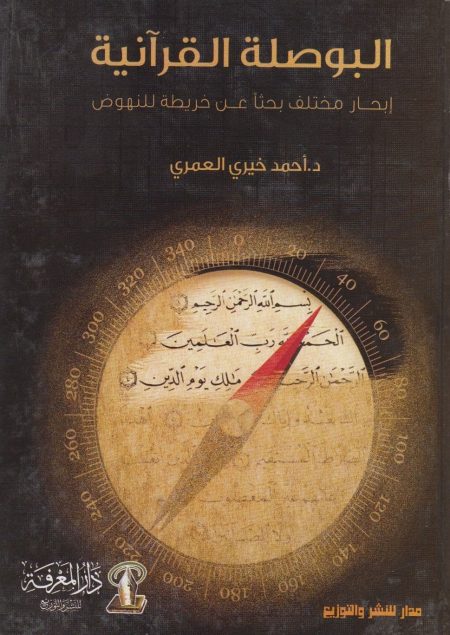
This intellectual work examines the Quran as a methodology for civilizational advancement and the reconstruction of consciousness. It presents a reflective reading that connects faith, reality, and societal change, emphasizing the role of reason in understanding the Quranic message.

This book focuses on explaining the circumstances and historical contexts in which the verses of the Holy Quran were revealed, clarifying the reasons for their revelation based on transmitted narrations. This helps in understanding the meanings and interpreting the Quranic text more accurately and profoundly.
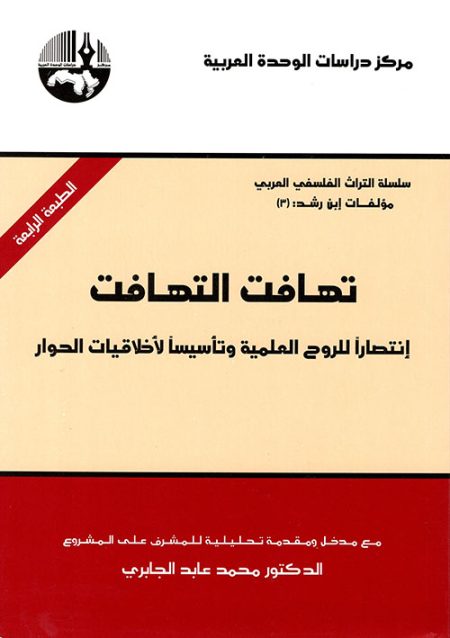
This book discusses Ibn Rushd’s philosophical thought as a defense of reason and the scientific method, emphasizing the importance of objective dialogue, acceptance of difference, and respect for differing opinions.
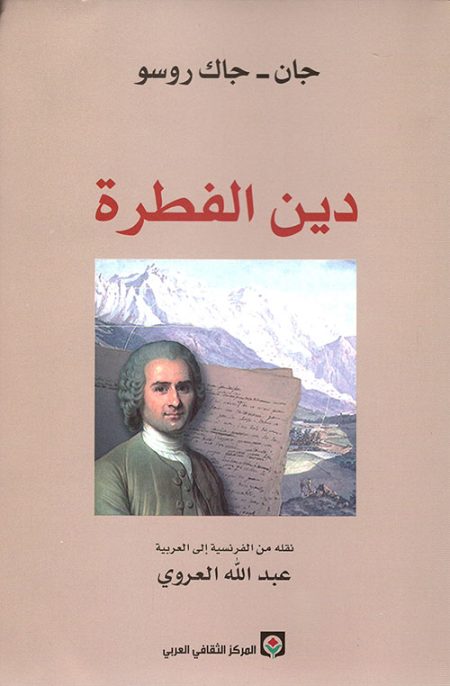
This book explores the innate foundations of faith as experienced by humankind, free from complexity, and offers profound reflections on the spiritual and moral nature that guides humanity toward truth and inner certainty.
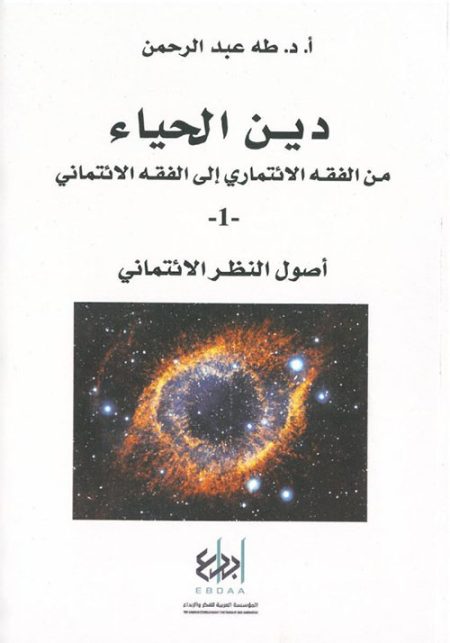
The book presents an intellectual and moral vision that reconstructs the concept of modesty as the basis for the relationship between man, values, and existence, with a deep treatment of the crises of thought and morality in the contemporary world.
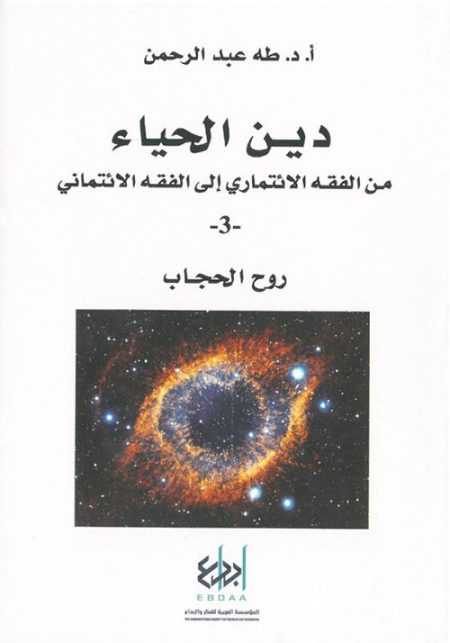
It addresses the issues of modesty and the hijab from a philosophical and ethical perspective, offering an intellectual reading that connects spiritual values and human behavior in the face of the challenges of the modern age.
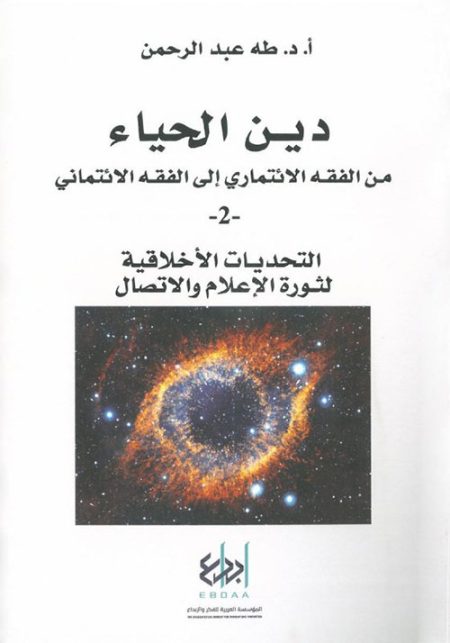
He examines the ethical challenges posed by the media and communication revolution to contemporary humanity, exploring the impact of images and technology on values and behavior from a profound philosophical and ethical perspective grounded in the concepts of modesty and trustworthiness.
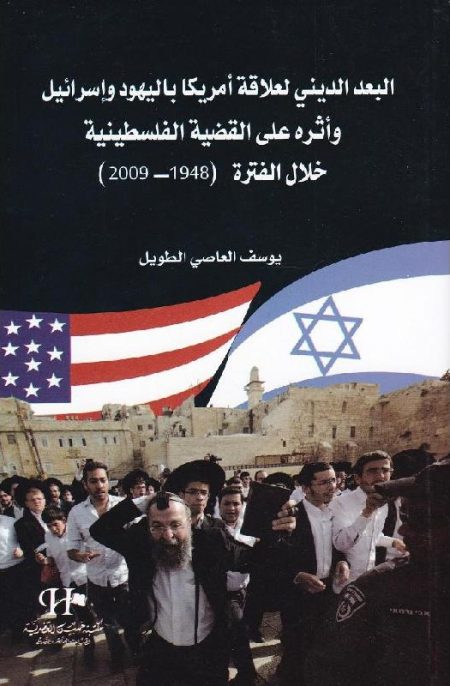
This study examines the influence of the religious dimension on the relationship between the United States, Jews, and Israel, and how this influence has shaped the American stance on the Palestinian issue and related policies from 1948 to 2009.

This book addresses the issues of death and the afterlife, awakening hearts through reminders of the Hereafter. It employs impactful texts that combine exhortation, warnings, and the dissemination of faith and preparation for the Day of Reckoning in a direct yet profound style.
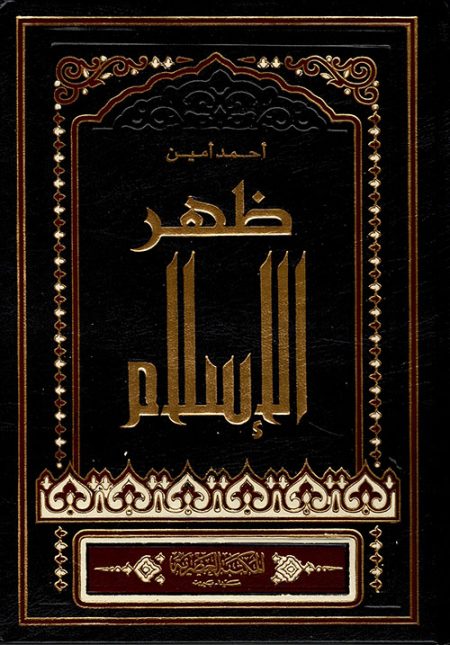
It deals with the emergence and development of Islamic civilization in its various political, intellectual and social aspects, with an analysis of the events and personalities that contributed to shaping Islamic history during its early stages.
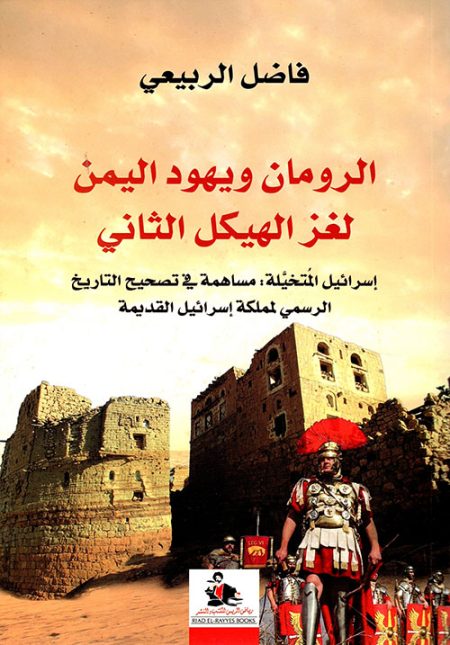
This book presents a critical historical study that re-examines the narratives related to the Romans, the Jews, and the Second Temple, offering an alternative thesis based on inscriptions and historical sources to reinterpret events traditionally considered to have taken place in Palestine.
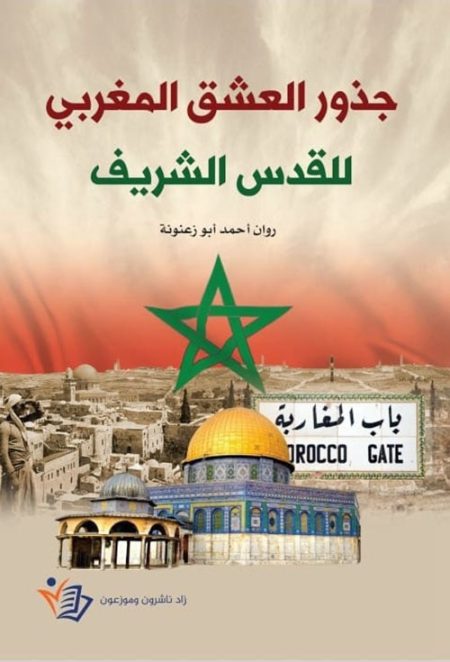
It documents the historical, cultural, and spiritual ties that have bound Moroccans to the city of Jerusalem throughout the ages, shedding light on the various forms of Moroccan support and presence in Jerusalem and its place in the Moroccan consciousness.
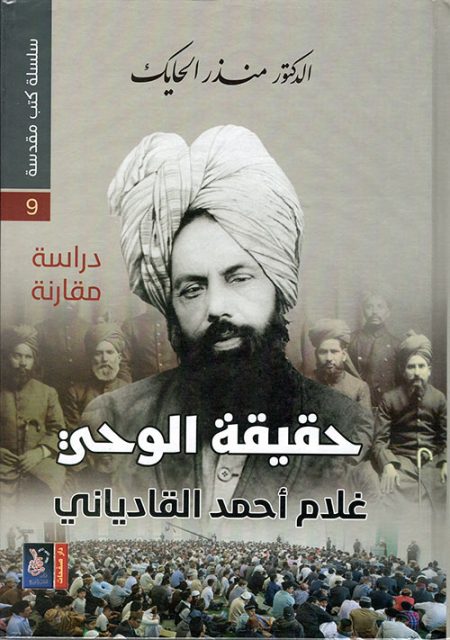
This book addresses the issues of revelation and prophethood from a critical and analytical perspective, presenting and discussing the origins of Qadiani ideas in light of traditional Islamic concepts, while also examining their historical and doctrinal background.