
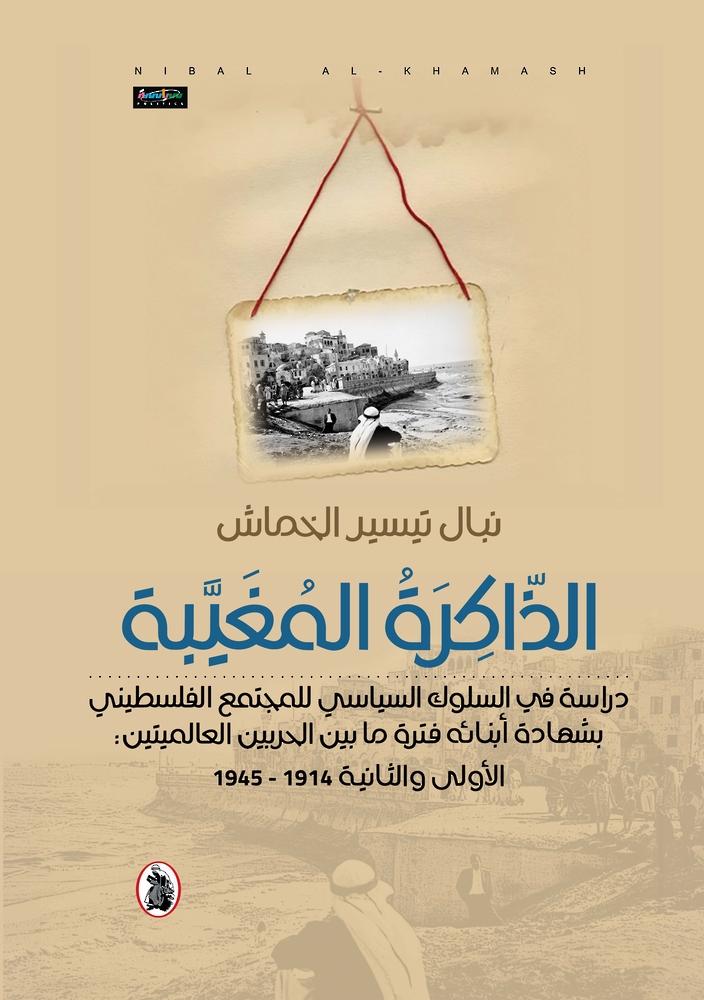
Description
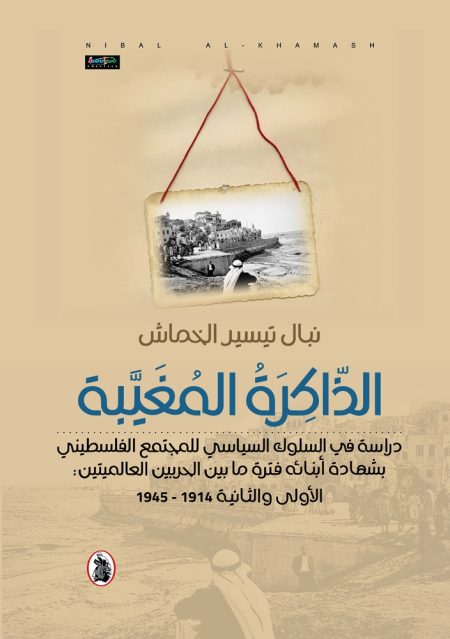
This book is addressed, first and foremost, to the Palestinian collective self. It offers an exploration of the characteristics of political behavior within Palestinian society during the interwar period (1914–1945). Given that this collective self—much like other Arab counterparts—tends to be wary of, or even averse to, criticism, and in order to preempt any accusations of bias, the critical content presented here relies entirely on the testimonies and accounts of Palestinians who lived through these events. Many were active participants, and—drawing from their direct experience—they recorded their impressions and observations in memoirs, autobiographies, and diaries. Since a significant portion of these accounts offers a critical perspective on various facets of political behavior across the diverse spectrum of Palestinian society, and because this particular dimension of the national character has largely been sidelined or overlooked, the title *The Obscured Memory* was chosen to reflect this reality of exclusion. The content and conclusions of this book are the product of a careful study of 49 autobiographical sources—accounts by individuals who lived through the political events and social dynamics of the era. These authors recorded their observations, which capture the multifaceted nature of Palestinian society: its inherent dualities, its cohesion, its confusion and fragmentation, and its oscillation between conciliation and a propensity for resistance. These characteristics are illuminated by dozens, if not hundreds, of personal testimonies from historical Palestinian figures—individuals who, to this day, command the trust and deep respect of their compatriots.
Reviews
There are no reviews yet.