
Description
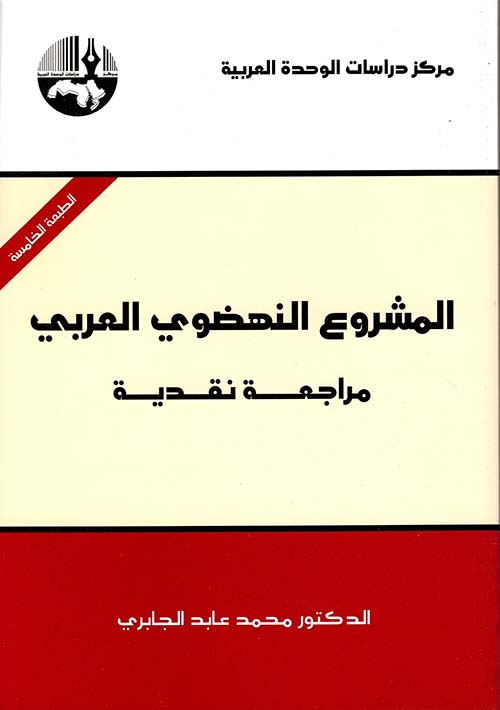
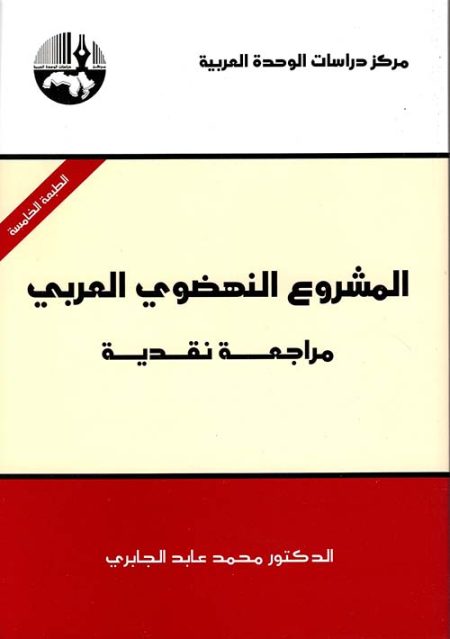
The book “The Arab Renaissance Project: A Critical Review” by the thinker Mohammed Abed al-Jabri, published in 1996, is an in-depth critical study that seeks to analyze and understand the reasons for the setbacks of the Arab Renaissance project that began in the last century. Al-Jabri chooses the method of “self-critical review” instead of historical recounting, aiming to identify the ideas that are viable for future continuation and those that need reformulation. He places the Arab project within the context of its contemporaneity and conflict with three major global projects: the European modernity project (with its colonial aspect), global socialism, and the global Zionist movement, demonstrating how these projects negatively impacted the possibility of achieving an Arab renaissance. He then moves to internal critique, deconstructing the problems in the fundamental tenets of the Renaissance project, especially the slogans of unity and progress. He analyzes and critiques currents such as the Salafist renaissance (represented by al-Afghani and Abduh) and the problematic relationship between religion and politics within it. He also analyzes the nationalist idea (represented by al-Husri) and criticizes its limitation to language and history as the foundations of the nation. Al-Jabri concludes that the issues raised by the Arab Renaissance project remain strongly relevant, calling for a reconstruction of its objectives based on a critique of past experiences in order to overcome the “ideology of despair” and resume the journey toward the future.






Reviews
There are no reviews yet.