
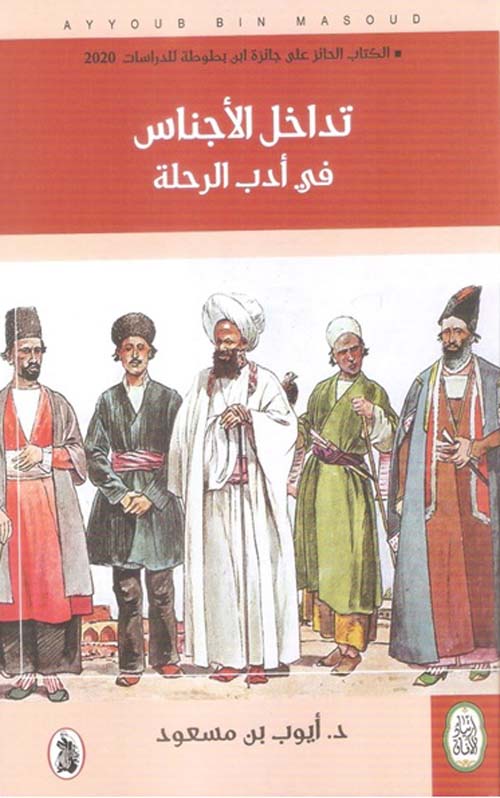
Description
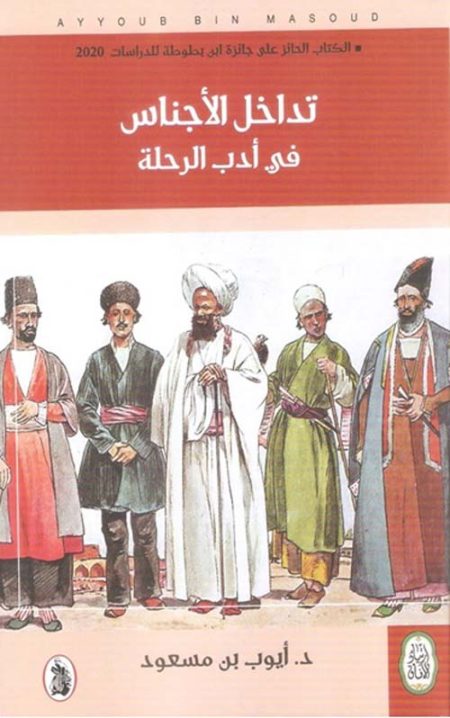
[ Winner of the 2020 Ibn Battuta Award for Studies ] . [ The author explores his subject through three primary themes: the literary phenomenon as viewed through systems theory and empirical models; the narrative structure of travel texts; and the role of scientific knowledge within travel literature. In this work—published by the Arab Institute for Research and Publishing—Ibn Masoud examines the evolution of the concept of the “travelogue” (*rihla*) and the various definitions attributed to it within Arab culture. The study centers on *Al-Turjumana al-Kubra fi Akhbar al-Ma’mur Barran wa-Bahran* (“The Great Interpreter: An Account of the Inhabited World, by Land and Sea”) by Abu al-Qasim ibn Ahmad al-Zayani—a work that compiles three distinct journeys: one diplomatic mission and two personal voyages. Ibn Masoud analyzes these travel texts through two different frameworks: the first applies Western theoretical models to historicize, describe, and interpret Moroccan travel literature in general—and *Al-Turjumana al-Kubra* in particular—using a variety of methodological approaches. The second framework operates within the Islamic intellectual tradition, interpreting this heritage through its own internal logic by uncovering the dual composition of the text. ]


Reviews
There are no reviews yet.