
Description
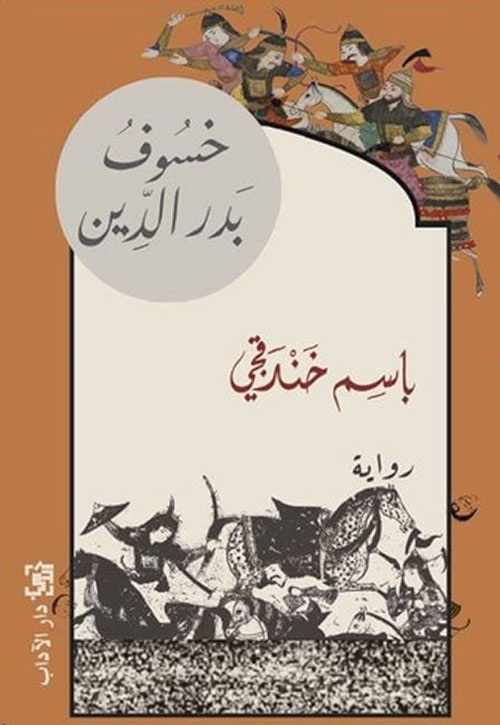
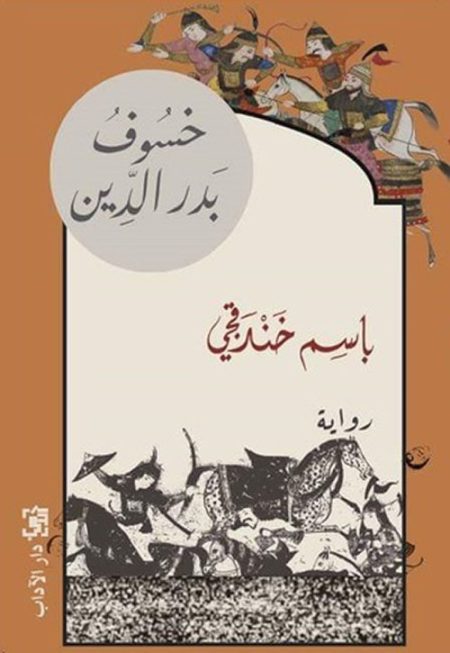
The imprisoned novelist, Basim Khundakji, accompanies the Sufi hero Badr al-Din on his journey of rebellion, confronting corruption and the court preachers, a questioning intellectual: What is the use of knowledge without dignity? He understands that “light cannot be confined by loyalty,” refusing subservience and the role of a parrot. But this Badr al-Din is, first and foremost, a human being; a human being who cannot escape turning against himself when struck by the losses of loss; and a human being who, when he returns and gathers the fragments of his soul, defies himself and the dark world, emerging from the personal to delve into parallel history and the lives of his people, from Cairo with its allure, wealth, knowledge, and palace intrigues, to Tabriz, passing through other places and encountering other people.
In this historical novel, Basim Khundakji contemplates the meaning of power in the equation of justice, and the meaning of victory amidst destruction and bloodshed. Passion, knowledge, light, vision, love, and the human condition in all its diversity of races, dreams, and religions, and ambitions that consume their possessors as they consume their enemies—that a Palestinian poet and novelist like Bassem, despite the darkness of his cell, would embrace the light in a mystical spirit, and the embrace of tolerance, love, and beauty that fills the heart of Badr al-Din and the hearts of his followers, means that the jailer will not prevail, despite all the brutality.
In this way, Bassem is an image of his protagonist’s spirit, and of that spirit’s yearning for all that is beautiful and free.


Reviews
There are no reviews yet.