
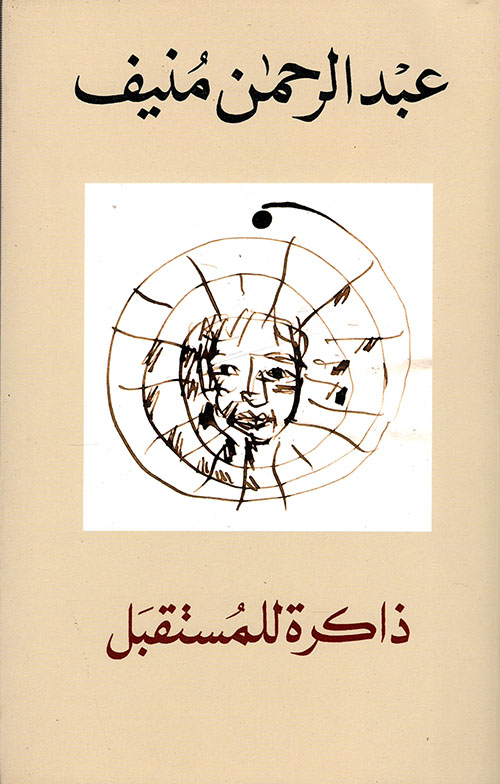
Description
If a person fails to achieve their goal, they may experience disappointment, but this disappointment is tempered by the hope of attaining it in another opportunity or after further effort. If they make a mistake and the result is the loss of what they aspired to achieve, they may hold themselves accountable and bear the responsibility. However, if something is lost due to forgetfulness, then hope is lost, and self-reflection is futile. Memory loss causes sorrow and leaves a feeling of helplessness that one struggles to overcome. In such a case, the only recourse is to record; for there is no remedy for memory loss other than writing.
This concern preoccupied Abdul Rahman Munif at various points in his life and in more than one book. He constantly urged his friends and acquaintances to record and write. Abdul Rahman Munif wrote numerous introductions to documentary-style works by friends, which were published with his assistance or at his insistence. He himself did this repeatedly in his writings. In fact, it could be said that the obsession with documenting events of a particular era lay behind his major novels, perhaps most notably “Cities of Salt,” in which he attempted to chronicle the transition from nomadic life to the oil age, and “Land of Darkness,” which recorded a phase of the struggle against British colonialism, as well as depicting life in Iraq and the image of the Iraqi character. In most of his novels, the presence of history was not intended to define the novel’s timeframe, but rather served as an opportunity to record events and interpret a period.
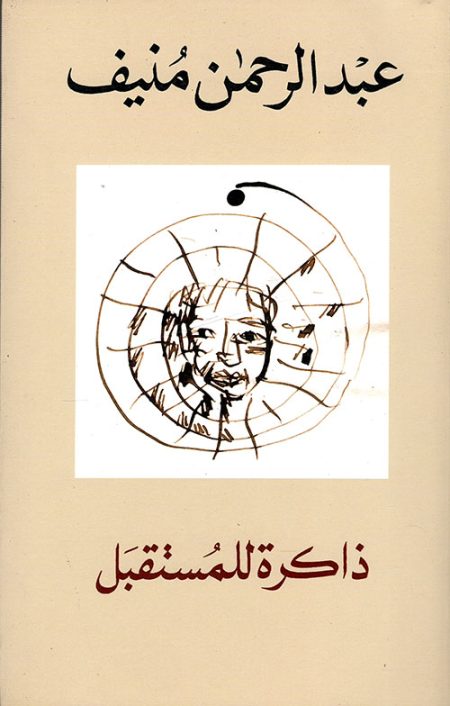
Abdul Rahman Munif’s later writings, from “The Splendid Bond of Time” through “The Agony of Absence” and “A Journey of Light,” seem driven by a desire to fulfill his own expectations of others. “Memory for the Future” then comes to record testimonies about events and people who live in his memory, and this must be documented for posterity.









Reviews
There are no reviews yet.