
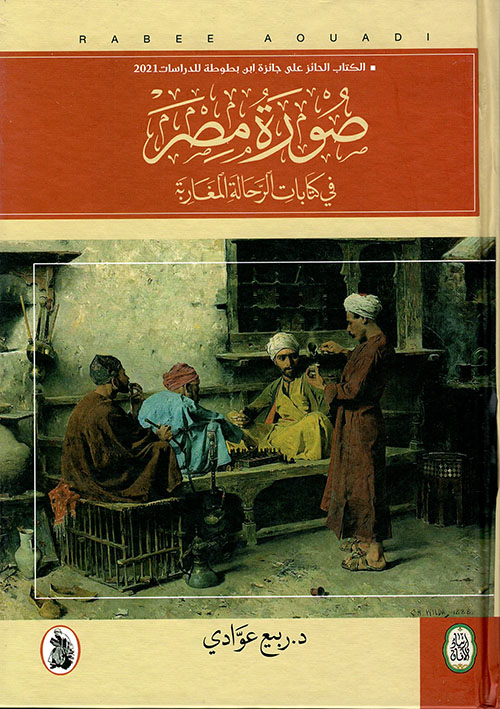
Description
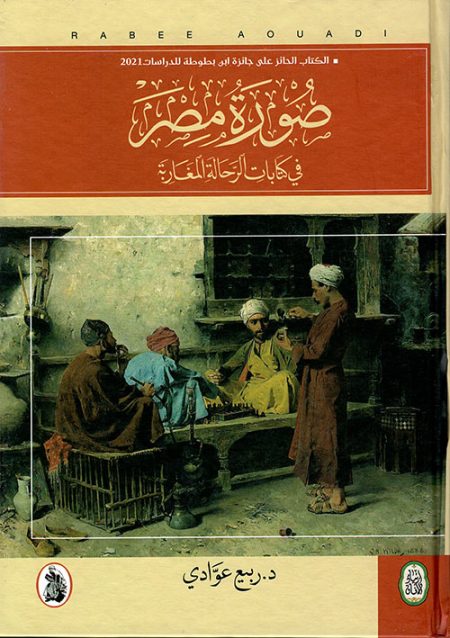
This work derives its significance from its exploration of how the Arab East—with Egypt as a primary case study—was perceived and depicted in the writings of Moroccan travelers during the nineteenth and the first half of the twentieth centuries. By tracing the history of relations between Morocco and the Arab East, the study focuses specifically on the image of Egypt that took root in the minds of these travelers—a country that held a pivotal, central role in their accounts throughout the modern and contemporary eras. This study, which won the 2021 Ibn Battuta Award for Research, examines the political, economic, and cultural history of Egypt through the journals of travelers for whom the country served as an essential stopover on their journeys to the Hejaz. Regardless of their diverse social backgrounds, educational levels, intellectual frameworks, or spiritual orientations, these travelers invariably took the opportunity to explore Egypt—visiting Cairo to see its landmarks and architectural sites, and engaging with its scholars, cultural figures, and spiritual leaders. In their journals, they recorded a wide array of news, observations, and personal experiences—some familiar and recurring, others novel and compelling to readers and audiences back in Morocco. These writings played a profound role in shaping the image of Egypt—and the Arab East more broadly—within the Moroccan imagination. According to Awadi, these accounts of Moroccan journeys to the East constitute a vital source for understanding Egyptian history during the modern and contemporary periods, distinguished both by their sheer volume and by the richness and diversity of the information they contain.


Reviews
There are no reviews yet.