
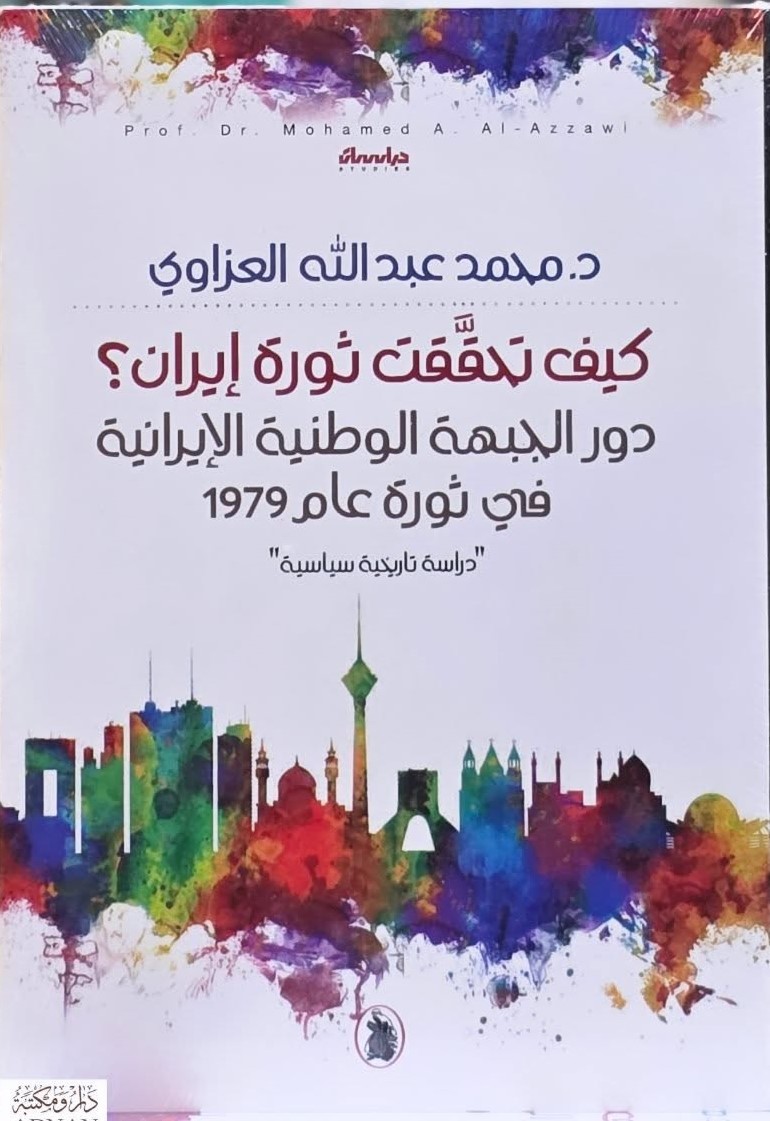
Description
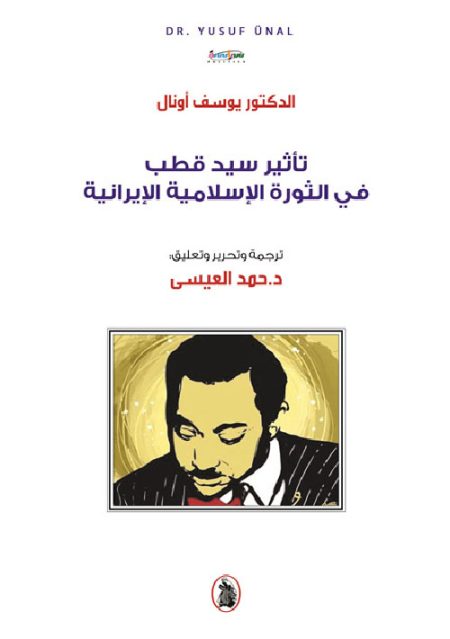
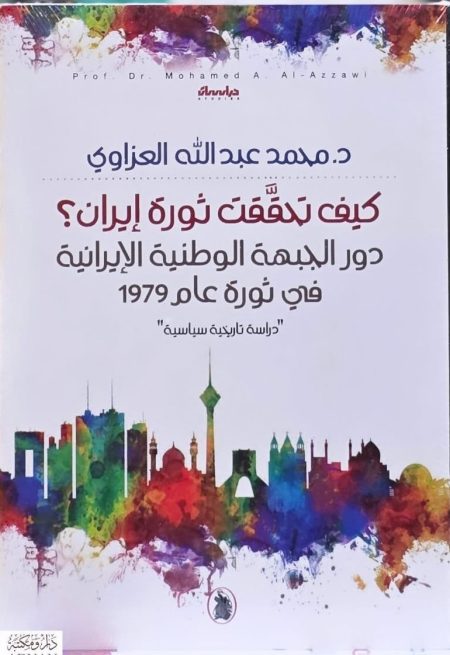
The Iranian Revolution did not entail a death toll—in terms of victims and martyrs—comparable to that of the revolutions in Vietnam or Algeria; nor did it suffer losses on the scale experienced by the Palestinian revolution, which continues along a path of suffering and sacrifice. Yet, its victory was decisive and remarkable, fundamentally altering Iran’s position and character, shifting it from one geopolitical camp to another, and exerting a profound influence on the course of events in the Middle East and the world at large. Some might assume that the Iranian Revolution was the sole product of the clergy—a characterization that does not accurately reflect reality. This perception likely stems from the clergy’s success in mobilizing, seizing control of the country, and consolidating their power at a critical juncture when secular forces were on the verge of taking the reins—a success so overwhelming that it obscured the preceding history. In truth, the Iranian Revolution was the result of a convergence of various political forces, including religious groups. Their shared objective was to dismantle the dictatorial regime, implement economic and social reforms—securing, at the very least, the interests of the national bourgeoisie—and pursue an independent foreign policy, free from the influence of the United States.


Reviews
There are no reviews yet.