962-7983-18423+
24/7 دعم

travel-literature
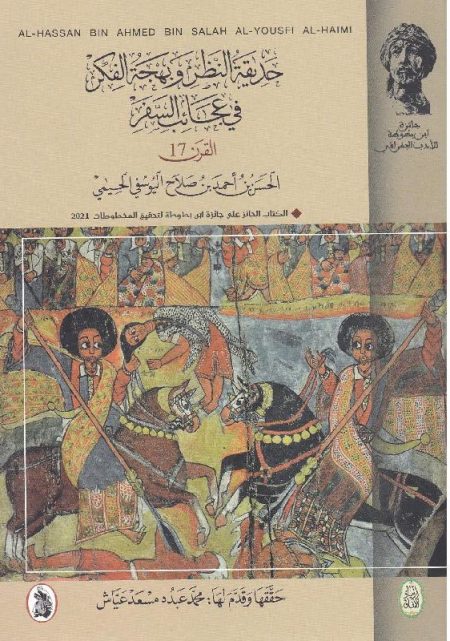
A historical account of a 17th-century Yemeni journey to Abyssinia, offering observations and reports on various lands and peoples; it is rich in geographical and historical information that documents aspects of the cultural exchange between Yemen and Africa.
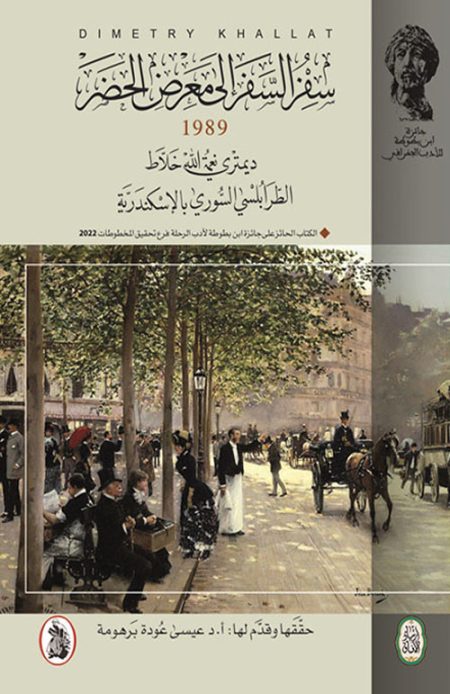
This literary and geographical account documents a journey from Alexandria to the Universal Exhibition in Paris. It provides detailed descriptions of various European cities—most notably the capitals of England and Italy—covering their customs, traditions, architectural landmarks, industries, and modes of transportation. Furthermore, the text draws comparisons between Arab and Western civilizations.
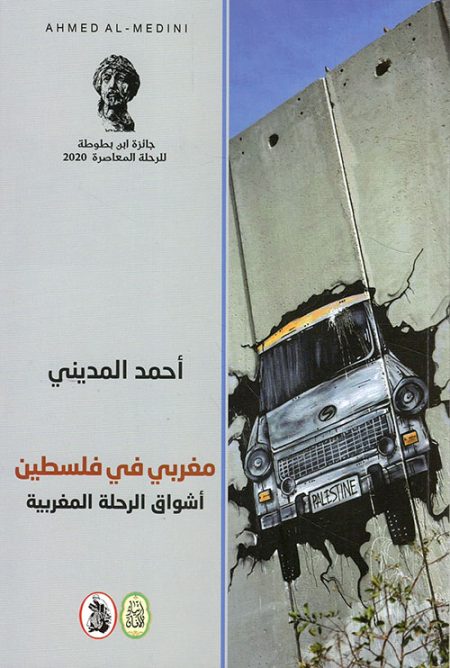
The text presents the journals and impressions of a Moroccan traveler during three visits to Palestine. It documents his observations of the cities, their people, and their history, while evoking the profound place Jerusalem holds within the Arab consciousness—all conveyed through a literary style that blends reflection, nostalgia, and a deep-seated connection to the Palestinian cause.
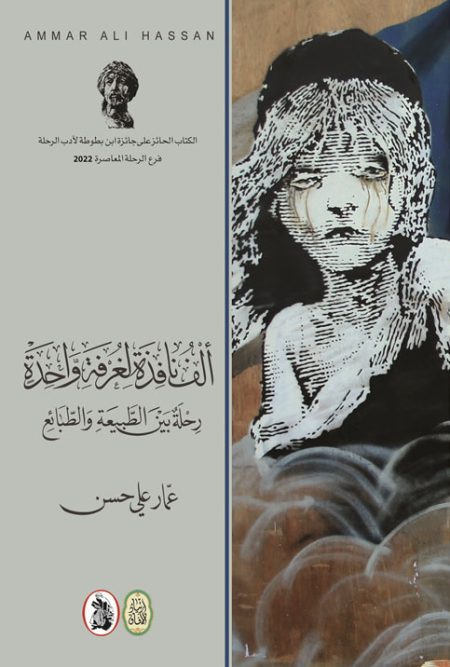
It is a literary and intellectual voyage through diverse lands and cultures, blending descriptions of places with reflections on human character, customs, and social conditions. Through these travel experiences, the author reveals both the similarities and differences among peoples, as well as the profound meanings of human life.
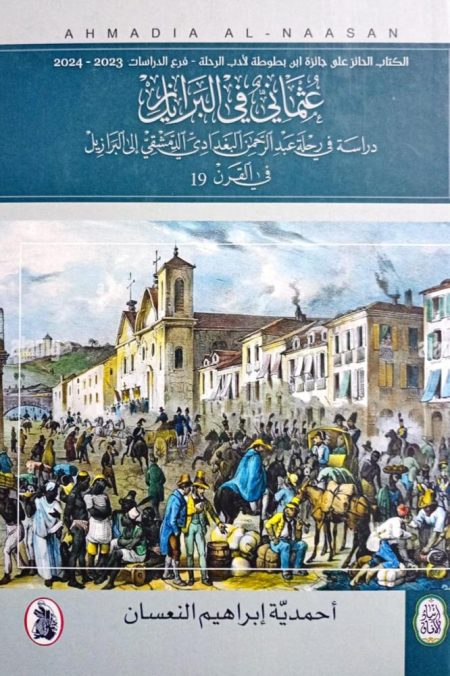
This documentary and analytical study examines the journey of a Damascene scholar to Brazil in the nineteenth century. It documents his observations of cities, society, and culture, while revealing aspects of the Muslim presence and their interaction with the Brazilian environment during that period.
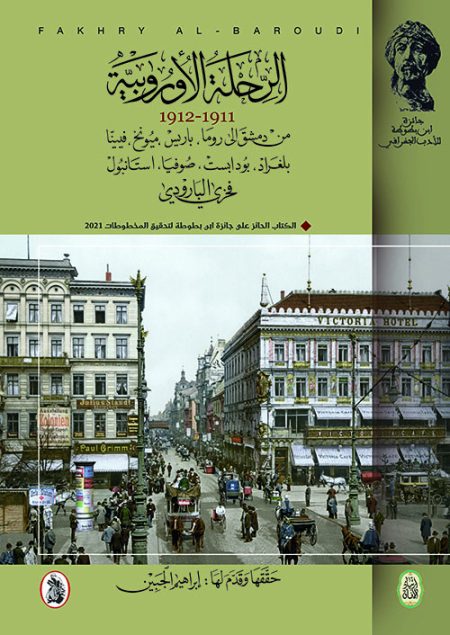
The text presents the diaries of an exploratory and cultural journey across various European and Ottoman cities. It captures the facets of social, political, and cultural life, while documenting the traveler’s observations and impressions of European civilization and its development at the dawn of the twentieth century.
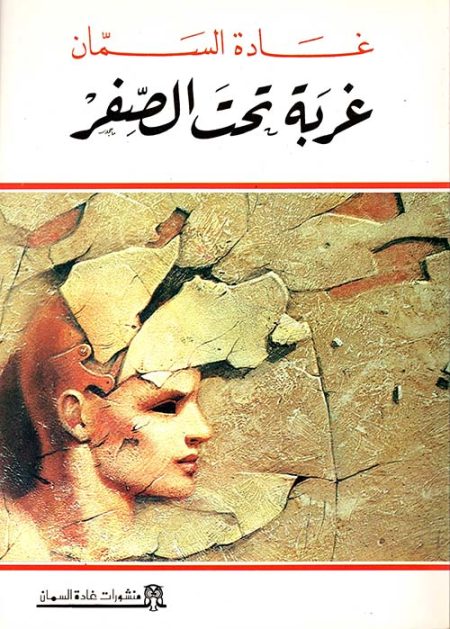
These literary texts chronicle the experience of exile and longing for home, blending personal reflections with political and social issues in a poignant, satirical language that touches upon war, women, love, and alienation.
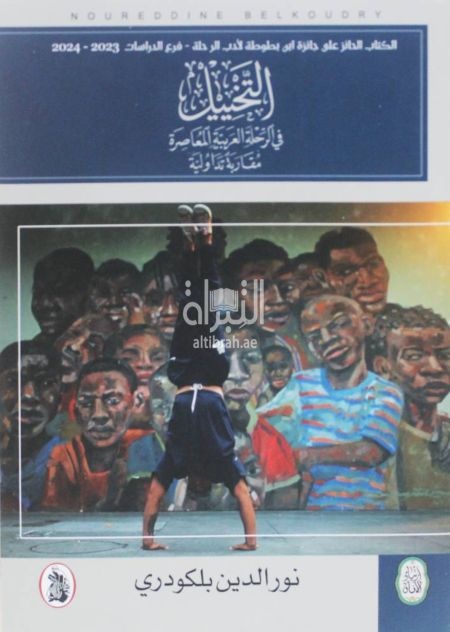
This critical study examines the employment of imagination within contemporary Arabic travel literature. It analyzes the interplay between reality and fiction in travel narratives, focusing on the artistic and stylistic transformations—as well as the cultural and social objectives—that endow travel texts with new literary dimensions.
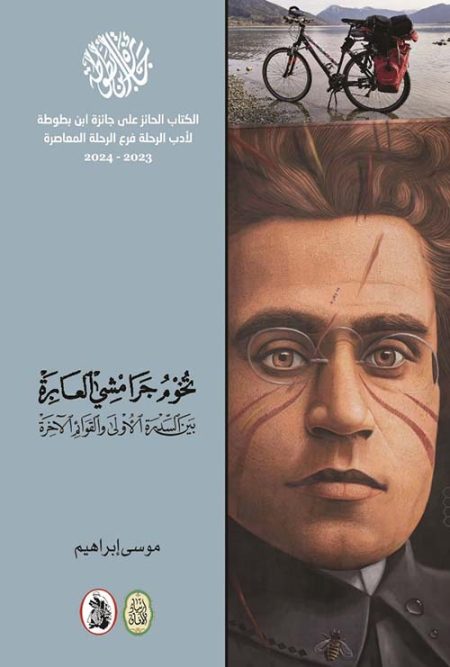
The book also offers observations and impressions of various countries, places, and people encountered during several journeys. It weaves together everyday anecdotes, intellectual reflections, and personal memories—placing a special emphasis on marginalized individuals and the nuances of human and natural life—in a narrative that traverses both geography and memory.

This is the journey of a young man searching for freedom and meaning in a time of great change. He sets off across continents, navigating cultures and spiritual experiences, discovering himself amidst adventures of love, rebellion, and travel.
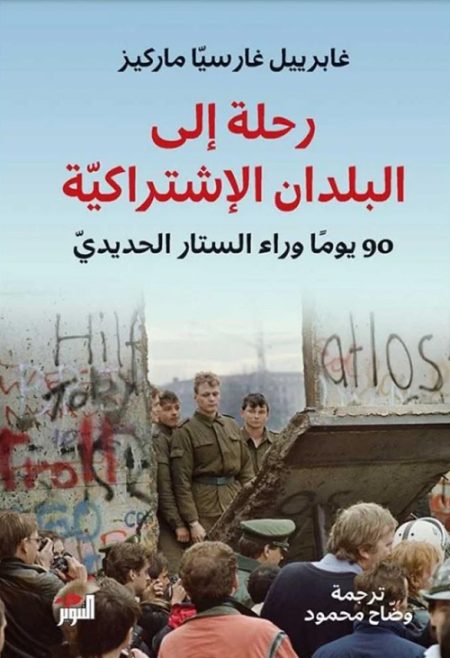
A narrative journey in which the author travels between different socialist countries, recording his daily observations and analyzing, in quick notes, the nature of political and social life there. A text that relies on a sensitive journalistic eye, revealing the contradictions and human experiences behind the slogans.
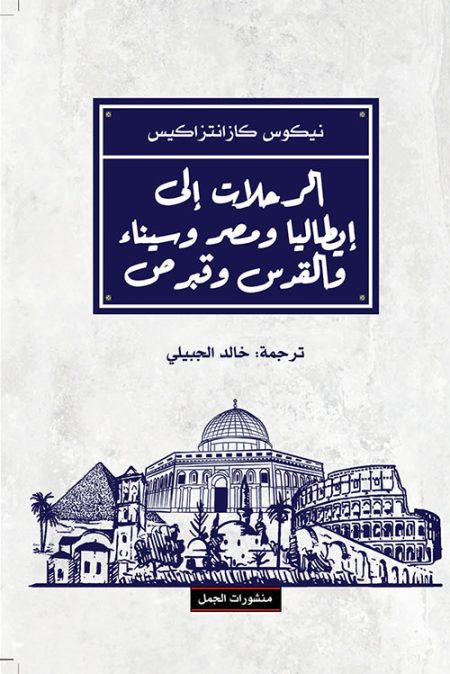
This book brings together observations and profound reflections on Mediterranean civilizations. The author conveys his impressions of Italy, Egypt, Sinai, Jerusalem, and Cyprus, blending geographical description with philosophical insight and spiritual exploration of the history of these places and their human significance.
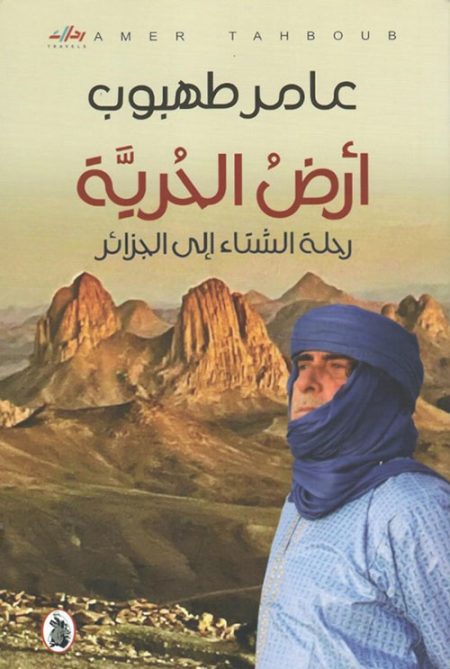
A literary and exploratory journey that documents the author’s observations during a winter trip to Algeria. It sheds light on the country’s natural landscapes, cities, and desert regions, while examining its history, culture, and legacy of struggle—as well as the shared values of freedom and belonging that unite the Algerian and Palestinian peoples.
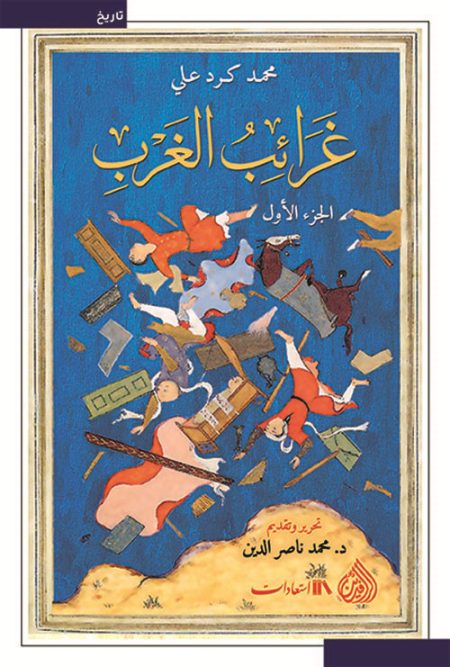
It is a critical, contemplative journey in which the author observes the conditions of Western societies and their customs. The work blends awe at achievements with criticism of contradictions, presenting to the Arab reader a panoramic picture of the West at the beginning of the twentieth century.
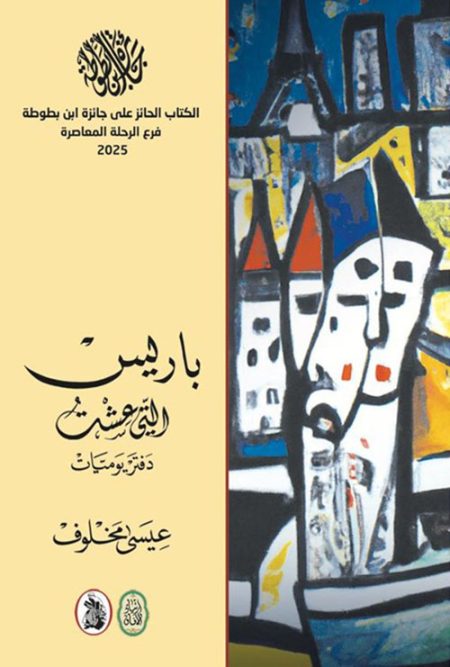
The book recaptures memories of life in Paris, tracing the city’s cultural and intellectual transformations and the literary, artistic, and human experiences it witnessed. It blends diary entries with personal reflections on place, memory, and the nature of human connection with the “Other.”

This reflective narrative text blends travel and cultural observation, conveying a personal experience in a Western city with a critical, sometimes satirical, eye, reflecting on humanity, place, and cultural transformations, all in an accessible and vibrant style.
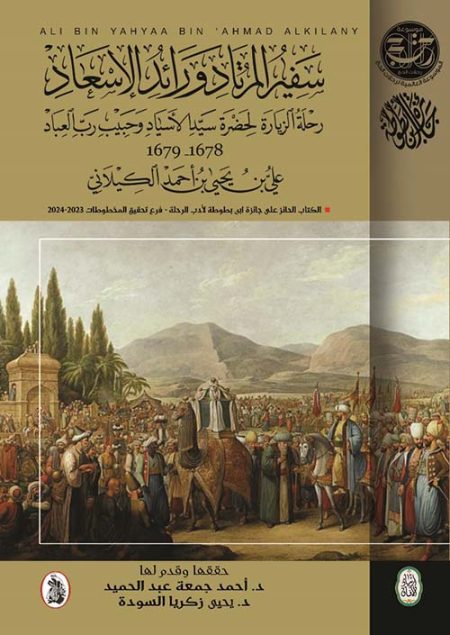
This historical account of a pilgrimage documents the route of the official Hajj caravan departing from Damascus toward the Two Holy Sanctuaries in the 17th century. It describes the various stages of the journey, the conditions of the pilgrims, and the hardships encountered along the way, while providing a wealth of geographical, historical, and social information about that period.
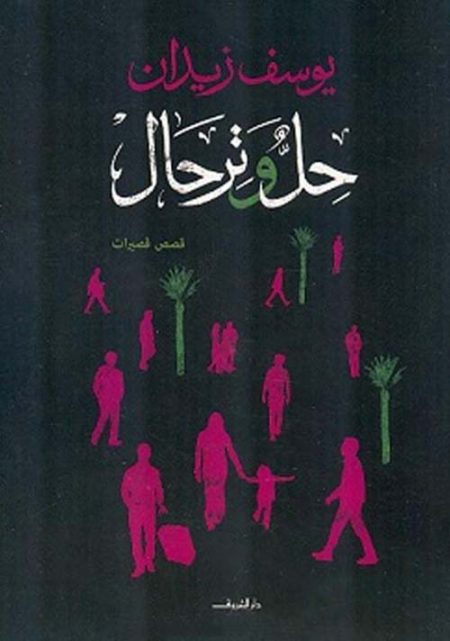
This book brings together reflections and intellectual and geographical journeys, recounting diverse experiences of place and people in a literary style that combines narrative and knowledge, revealing a profound understanding of cultures and life.
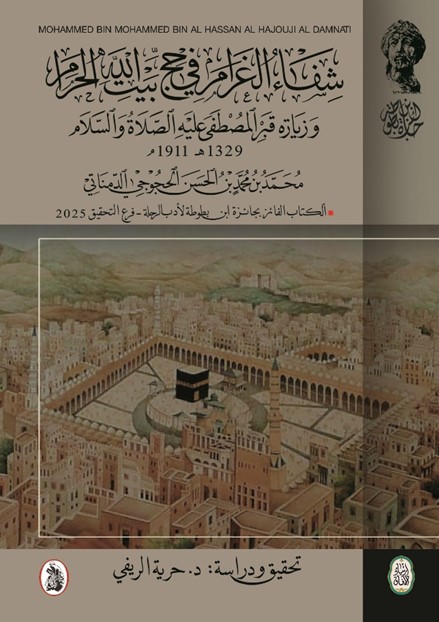
This is a historical and literary account of a Hajj journey that documents the traveler’s observations during his pilgrimage to the Holy Lands and his visit to Medina, while offering a portrait of religious, social, cultural, and political life in both the Maghreb and the Arab East during the early twentieth century.
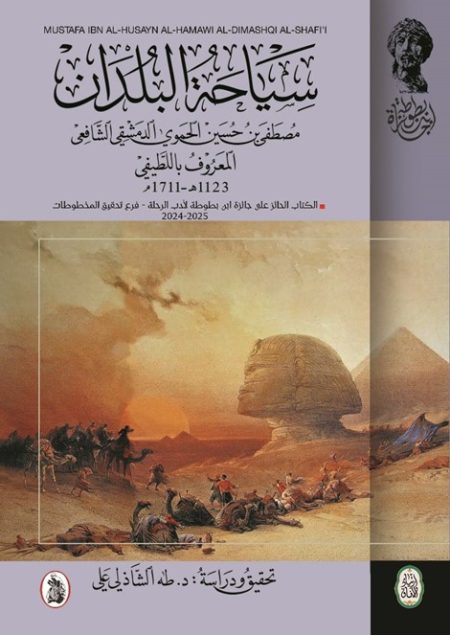
It is a geographical and literary journey that chronicles various lands, highlighting their distinctive landmarks, sites, and conditions. Through the traveler’s observations and descriptions, the work presents the reader with a portrait of cities and societies, blending travel literature with historical and geographical documentation.