962-7983-18423+
24/7 دعم

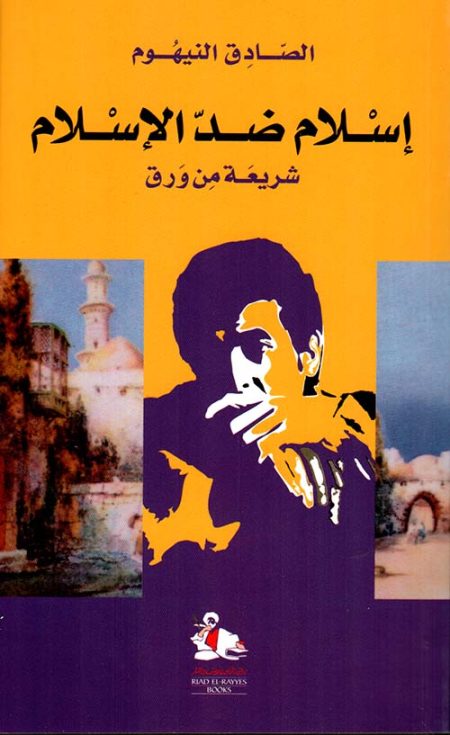
The book offers a bold and critical reading of religious thought as it is practiced socially, distinguishing between the essence of religion and the texts that have been transformed into tools of power and control. It poses provocative questions about the prevailing understanding of Islamic law and its relationship to reason, freedom, and humanity.
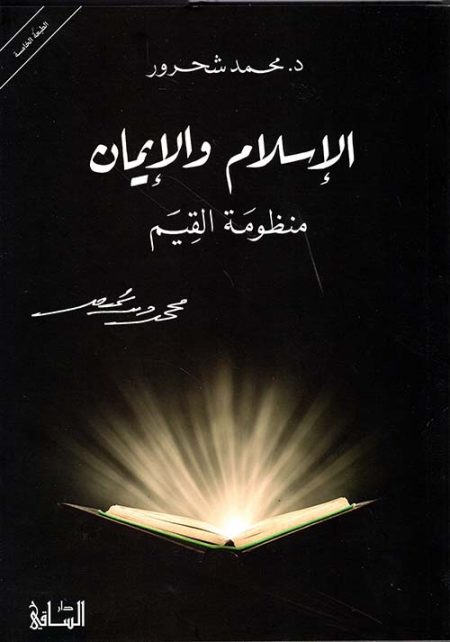
This book offers a contemporary reading of the concepts of Islam and faith, distinguishing between the two value systems in the Quranic text and highlighting how they can be understood beyond traditional interpretations, in order to build a moral and humanistic vision that is relevant to our time.
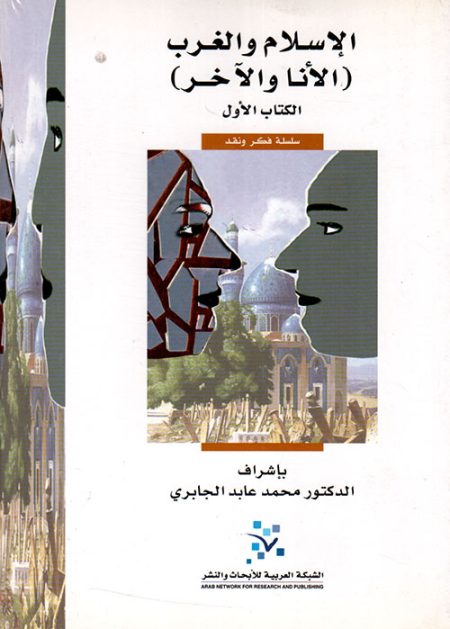
The book explores the nature of the intellectual and cultural relationship between Islam and the West, analyzing each side’s perception of the other throughout history, politics, and culture, while attempting to deconstruct the causes of the differences and the possibility of dialogue between the two civilizations.
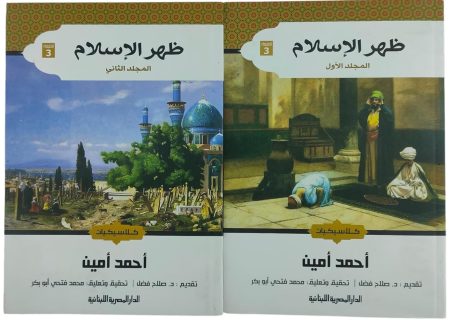
It addresses the development of Islamic civilization in its various intellectual, political, and social aspects, and reviews the flourishing of science and culture and their impact on the formation of Islamic society throughout the ages.
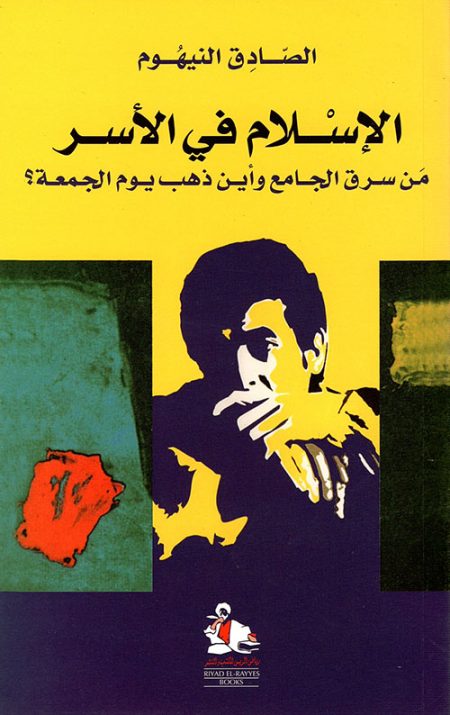
It is a critical intellectual text that re-examines questions of religion, society, and rituals from a bold, rational perspective, deconstructing prevailing assumptions with language that is sometimes satirical and at other times shocking. This opens the door to discussion about the role of the religious institution and its relationship with humanity, power, and public awareness.
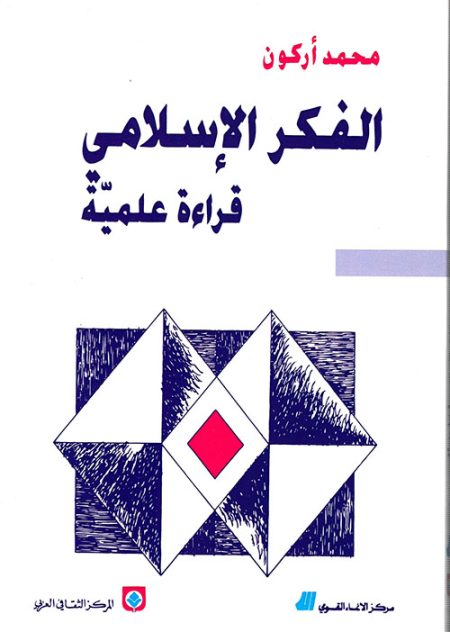
This book offers a critical analytical reading of Islamic thought from a contemporary scholarly perspective and re-raises questions about religious heritage and the methods of understanding it. It aims to open the door to intellectual renewal and expand the horizons of dialogue between religion and modernity.
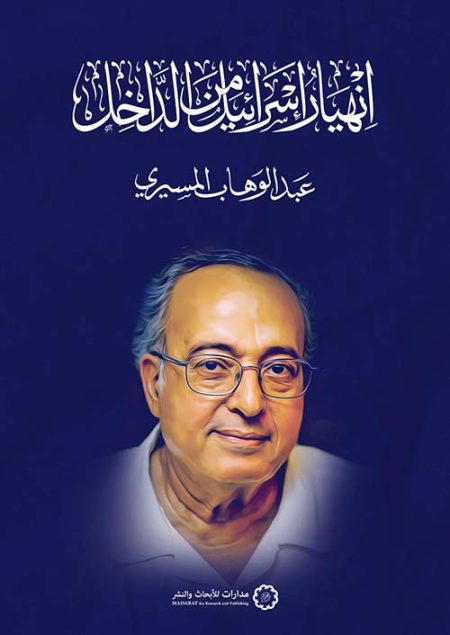
This analytical study examines the internal structure of Israeli society from political, social, and economic perspectives, exploring the factors of contradiction and potential disintegration within the Zionist project and the mechanisms of its continuation or collapse.
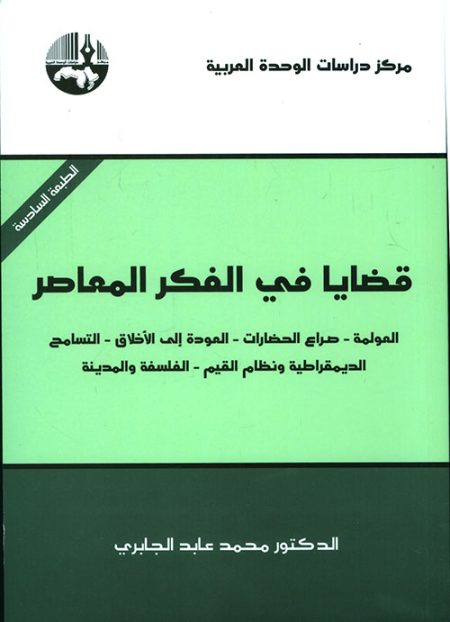
This book discusses the most prominent issues in contemporary Arab thought, such as globalization, democracy, and the clash of civilizations, with a critical reading that connects philosophy to the Arab cultural and political reality.
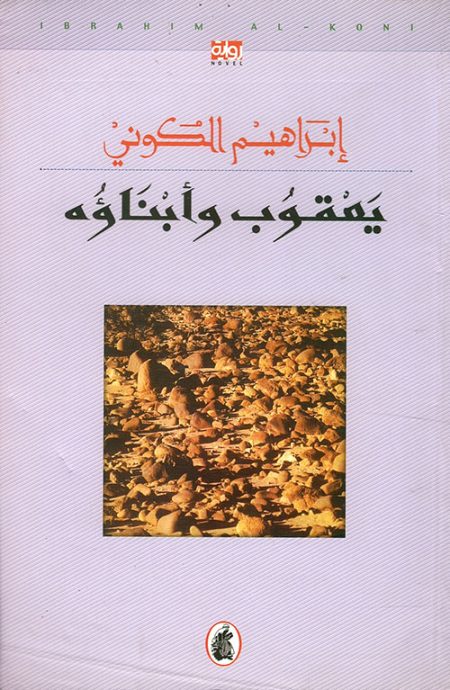
The novel revolves around the struggle for power and influence within a world ruled by intrigue and conspiracies, evoking tales of kings and Mamluks in a symbolic historical setting, to raise questions about governance, greed, and the fate of humanity.
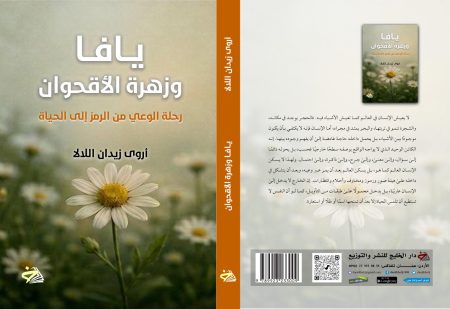
This is a contemplative journey that explores human consciousness through symbols and meanings associated with place and memory, transforming experience from a mere symbolic sign into a living presence in reality. The book combines reflection and narrative in a humanistic and literary style.
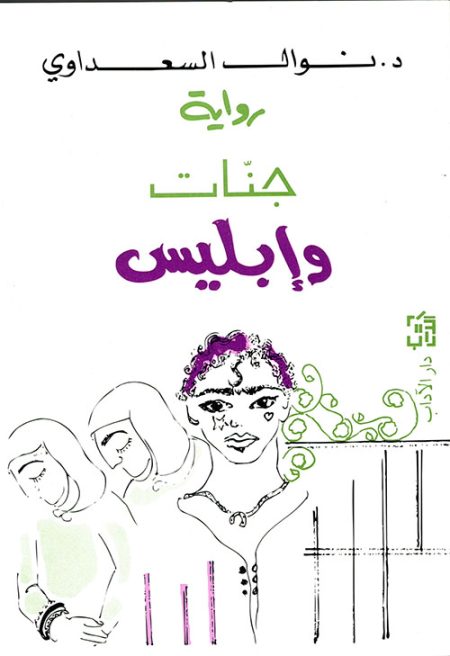
This intellectual narrative reinterprets the concepts of good and evil, woman and power, through a critical lens of religious and social heritage, revealing the contradictions between the sacred and human reality in a concise, symbolic, and reflective language.
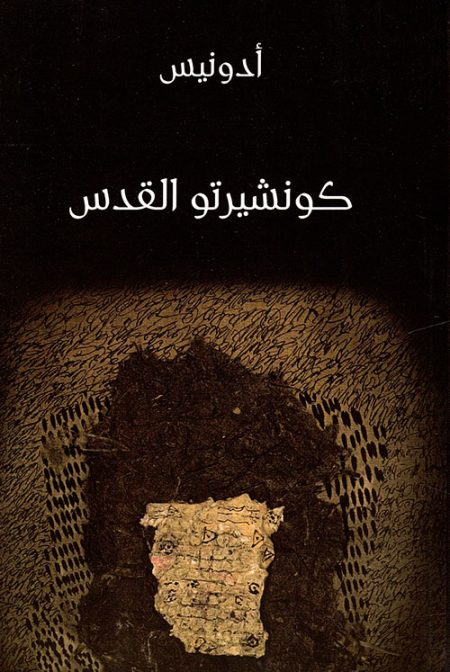
A profound poetic work that evokes Jerusalem as a symbol of the soul and history, reflecting humanity’s struggle between sanctity and ruin, between hope and despair, in the face of a reality where the religious intertwines with the political, the poetic with the human.
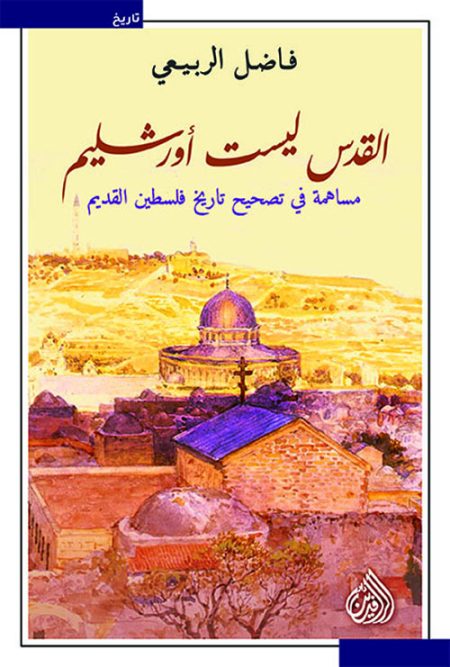
This critical historical study re-examines the history of Jerusalem and biblical geography, challenging traditional narratives through textual analysis and historical sources, and offering a different perspective that sparks debate and further research.
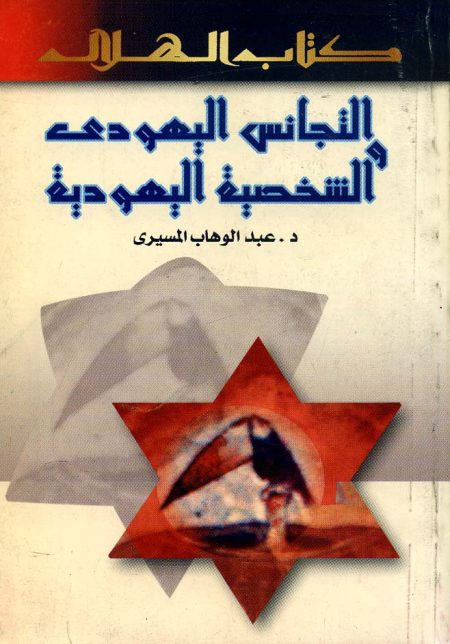
This is an analytical intellectual study that addresses the concept of homogeneity within Jewish communities, the construction of Jewish identity, and the mechanisms of its historical, cultural, and political formation, while deconstructing the stereotypical image surrounding this identity.
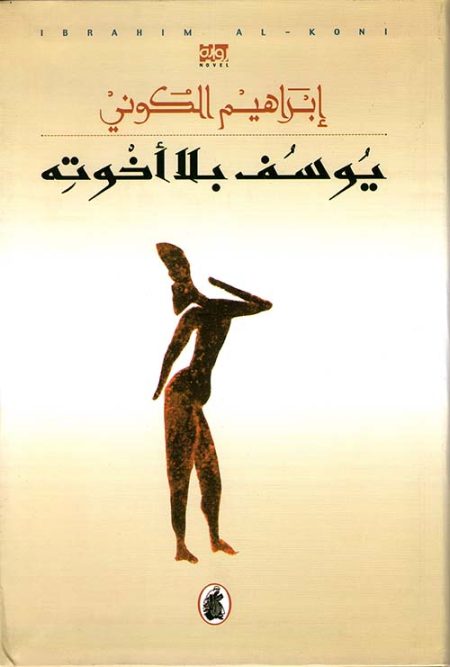
This symbolic historical novel evokes the atmosphere of Libya during the Ottoman era, addressing the struggle for power and political and social transformations through characters and events that blend reality with myth and philosophical contemplation.
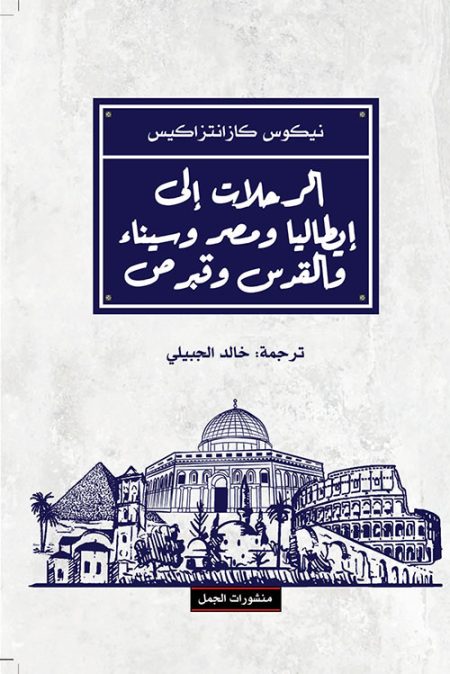
This book brings together observations and profound reflections on Mediterranean civilizations. The author conveys his impressions of Italy, Egypt, Sinai, Jerusalem, and Cyprus, blending geographical description with philosophical insight and spiritual exploration of the history of these places and their human significance.
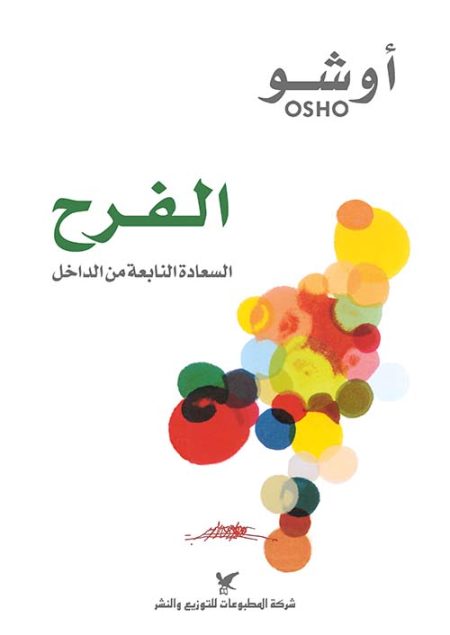
The book offers a philosophical and practical vision of true joy, focusing on how one can free oneself from external attachments to achieve lasting, inner happiness.
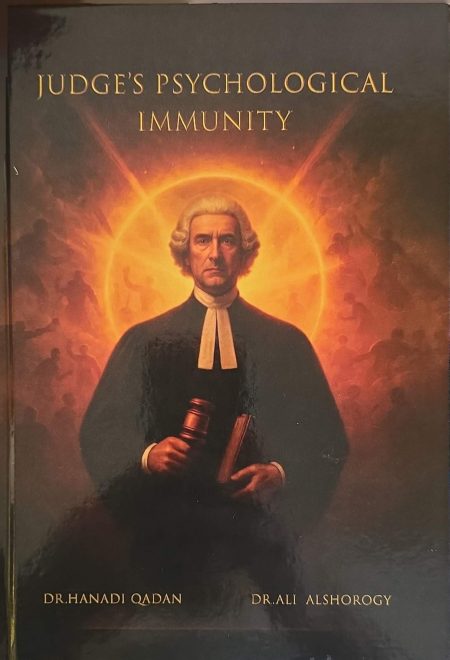
A study that examines the psychological structure of the judge and how internal and external factors affect his decisions within the justice system, with an analysis of the concept of psychological balance in the judicial environment.
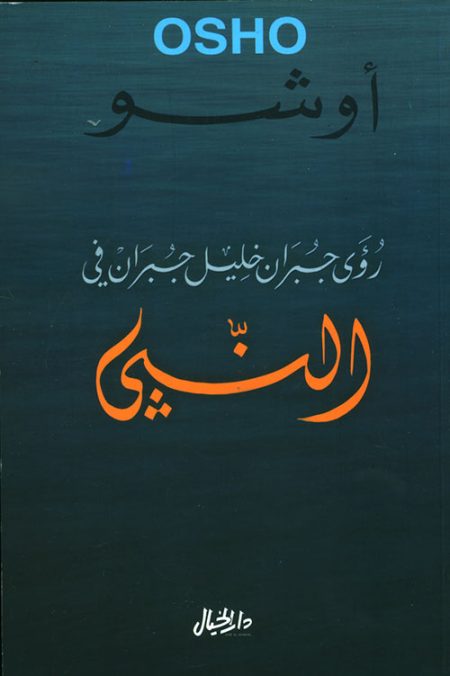
This is a profound, contemplative reading that blends Eastern wisdom and spirituality, offering a philosophical interpretation of symbolic texts about love, freedom, humanity, and the existential meaning of life.
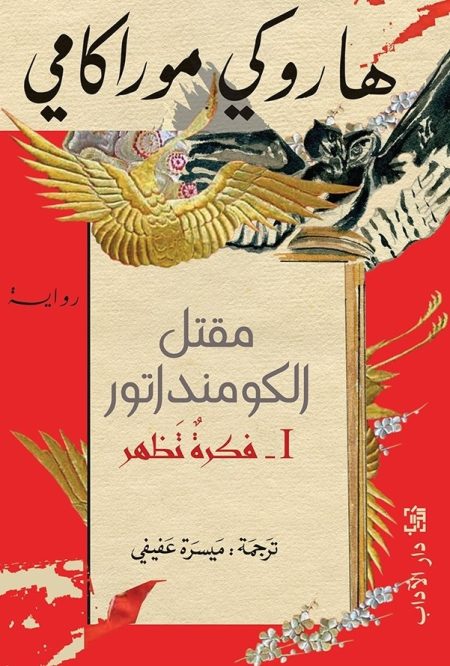
A man moves to a secluded house in the mountains after his married life collapses, only to find himself facing a mysterious painting that reveals an unreal world where memories intertwine with symbols and existential questions.