962-7983-18423+
24/7 دعم

His poems reflect humanity’s struggle with memory and history. The relationship between love and devastation is revealed in a turbulent world. These texts are imbued with emotion and reflection, blending symbolism with profound philosophical depth.
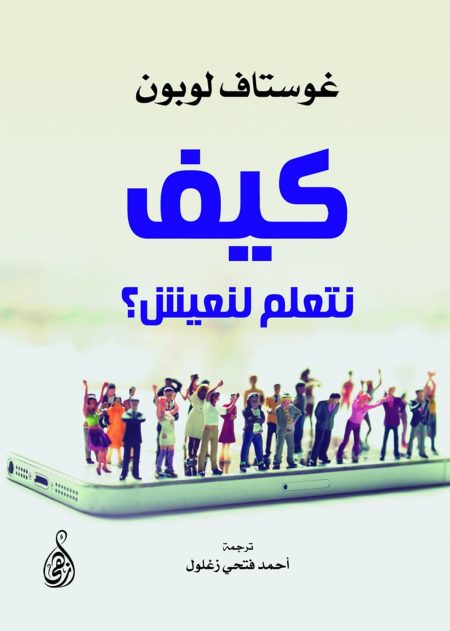
This work explores methods of education and its impact on human development, presenting ideas on cultivating intellectual and practical abilities, with a focus on preparing the individual for life and work more effectively.
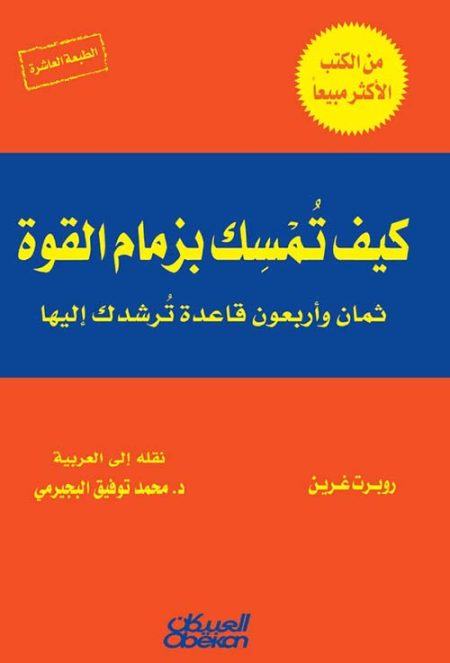
This book presents 48 rules for understanding power, influence, and dealing with others, drawing on examples and stories from human history, with a focus on acquiring, protecting, and exercising power intelligently and cautiously.
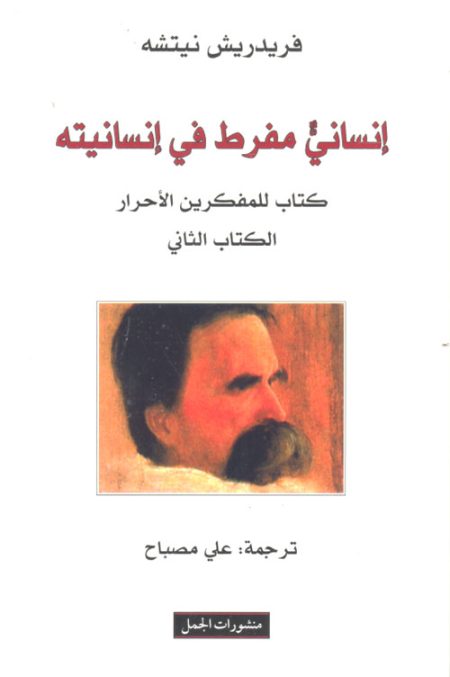
This book traces the transformations of human thought through bold philosophical reflections that challenge inherited beliefs and re-examine prevailing values. It offers critical approaches to man and his way of thinking, calling for a rediscovery of the self with a more liberated consciousness.
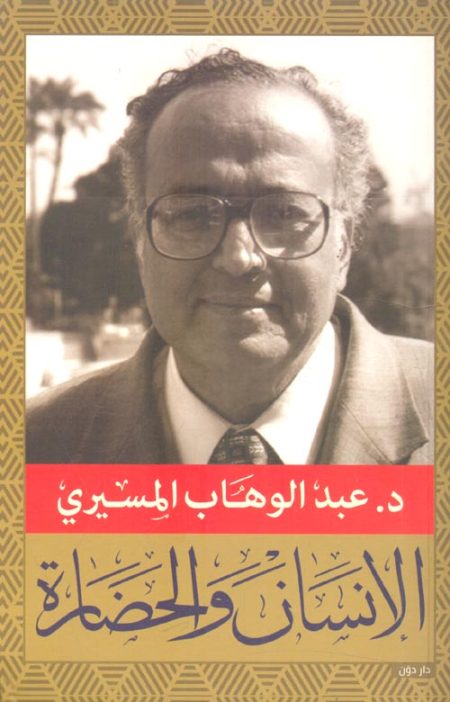
This book examines the concept of humanity and its relationship to civilization from a critical philosophical perspective, analyzing the intellectual foundations upon which different civilizational models are based and their impact on shaping human consciousness.
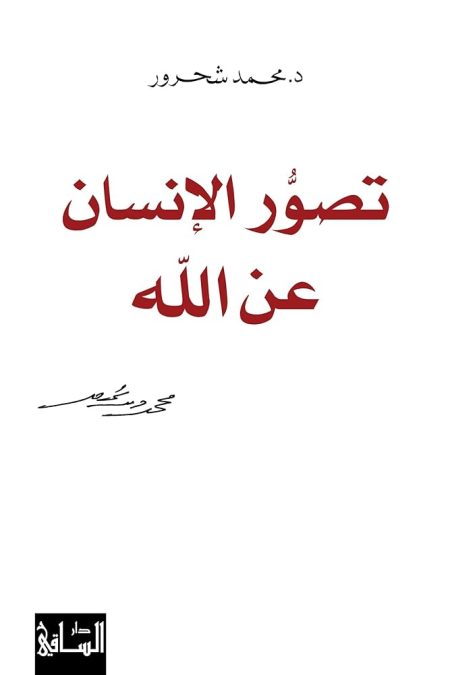
This book discusses humanity’s understanding of the concept of God and the relationship between faith and reason, explaining how religious doctrines can be reinterpreted in accordance with contemporary thought. It offers an analytical perspective that combines philosophy, religion, and sociology to understand the dimensions of faith.
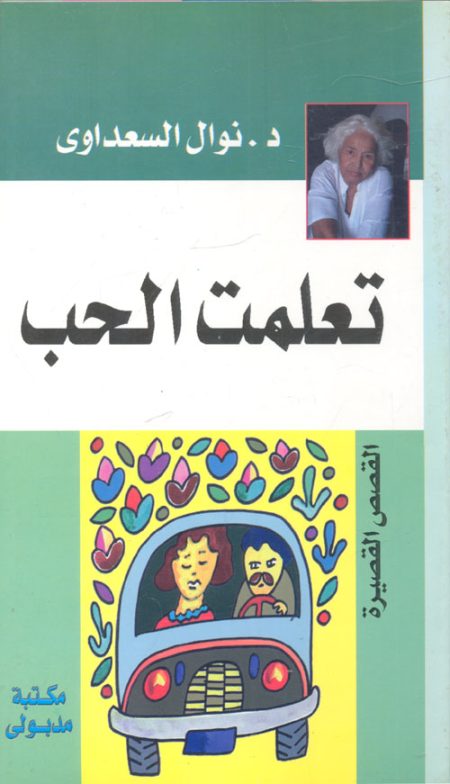
A novel that explores the experience of love and emotional maturity from a human perspective, exploring internal conflicts and personal relationships in an honest and emotional way.
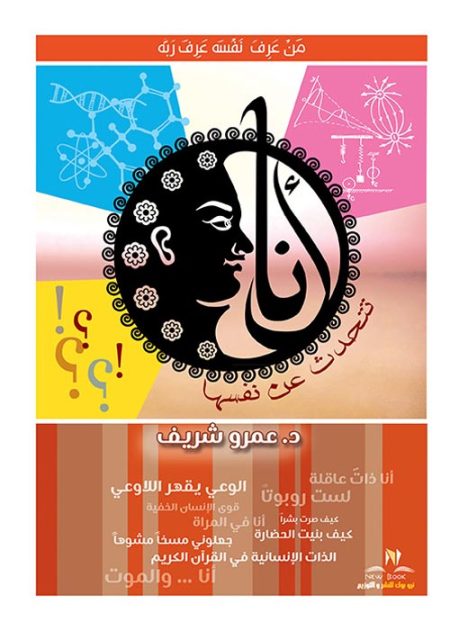
This book explores the true nature of the human self and its relationship to the mind, spirit, and will, blending scientific perspectives with religious and philosophical thought to arrive at a deeper understanding of the soul and the meaning of human existence.
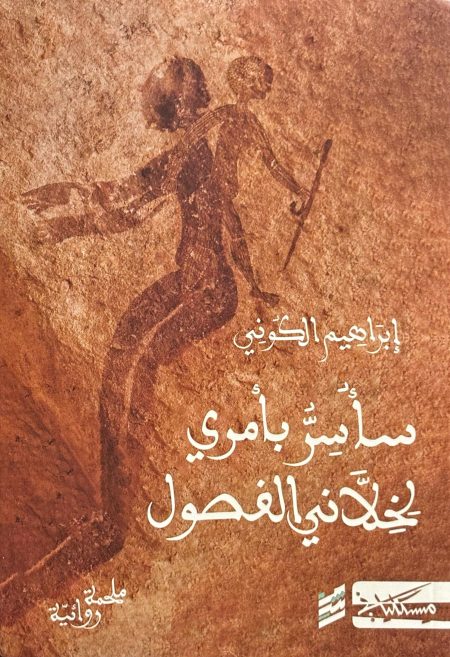
A book that contemplates the mystery of life through short tales that weave wisdom into the desert, revealing the relationship between humanity, destiny, and the soul through intense insights and profoundly poetic language.
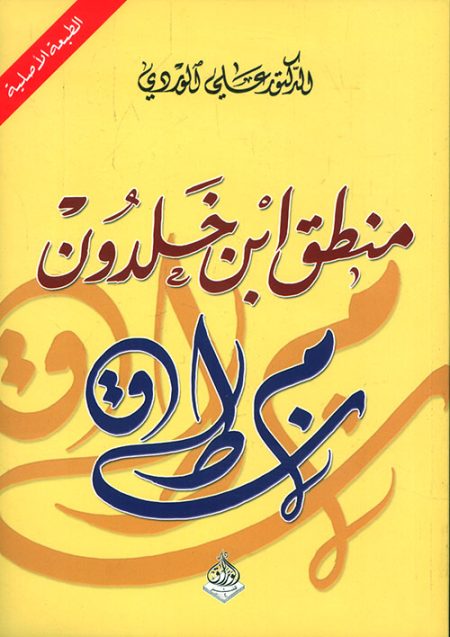
This intellectual work analyzes Ibn Khaldun’s ideas and methodology in understanding society and history. It offers a sociological interpretation of his concepts, such as social cohesion and the nature of the state, comparing them with some modern theories in sociology.
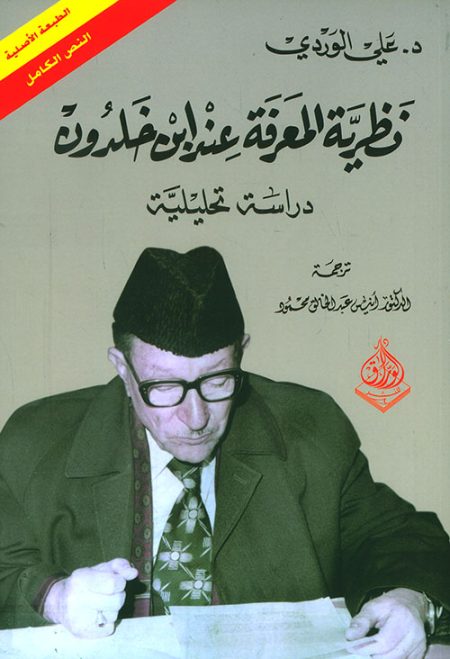
This is an analytical and intellectual book that examines Ibn Khaldun’s concept of knowledge, exploring the foundations of scientific thought, the sources of knowledge, and their relationship to society and humanity through a philosophical and sociological reading of his ideas.
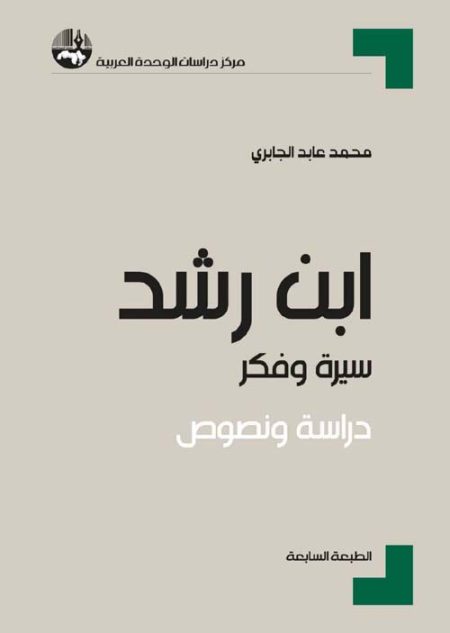
The book examines Ibn Rushd’s life and philosophical and scientific thought through an analytical study of his texts, clarifying his influence on Arab and Islamic thought and his relationship to rationalism and interpretation.
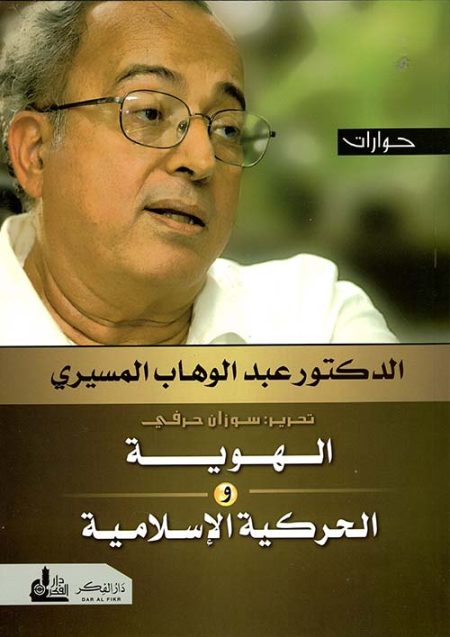
He discusses issues of identity in the modern context and its relationship to Islamic movements, with a critical analysis of the development of concepts and the intellectual conflicts associated with them, and the impact of modernity on shaping cultural and religious consciousness.
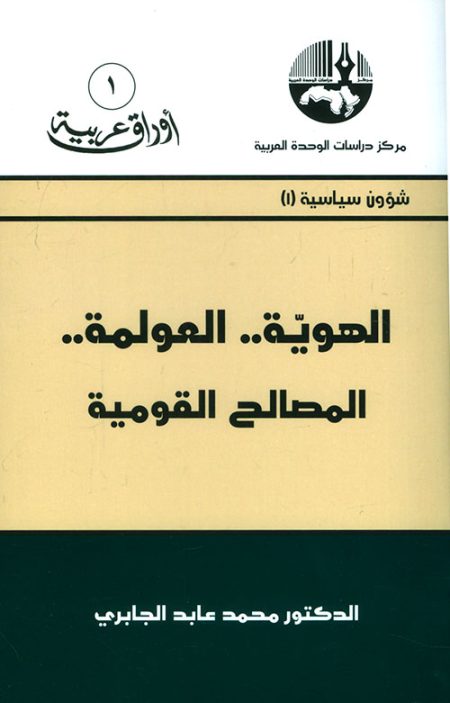
This book discusses the problematic nature of Arab identity in the context of globalization, exploring the relationship between cultural affiliation, national interests, and contemporary intellectual and political challenges.
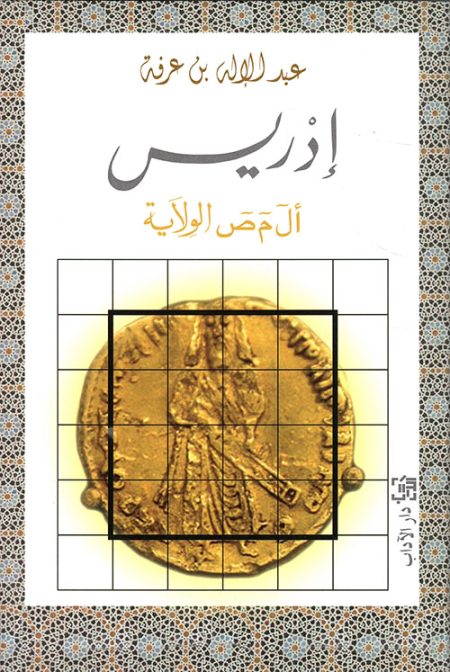
This novel blends history, Sufism, and Islamic thought, recounting the establishment of the Idrisid state through a mystical narrative that unveils the dimensions of sainthood, wisdom, and political conflict in the early days of Islamic history.
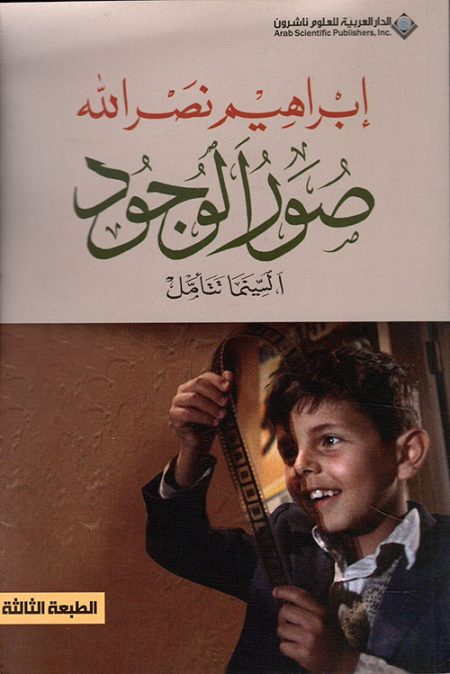
This book explores the relationship between cinema and human existence, offering an intellectual and aesthetic reading of films as a mirror reflecting questions of life, meaning, and identity through profound and intense visual images.
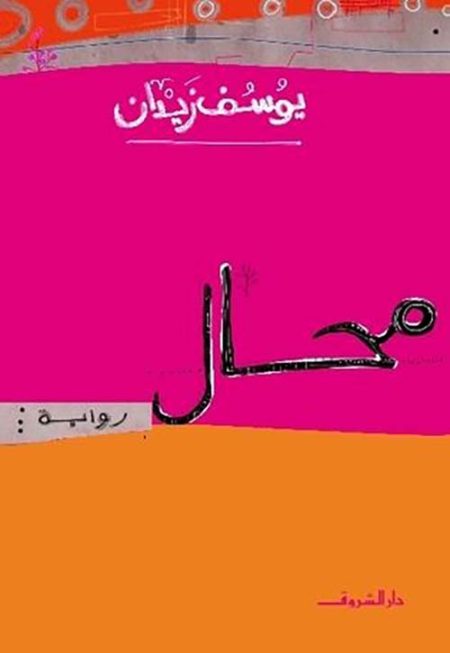
It is an intellectual and human journey that explores questions of existence, the soul, and meaning, where philosophical reflections intertwine with personal experiences in a profound narrative imbued with a clear contemplative dimension.
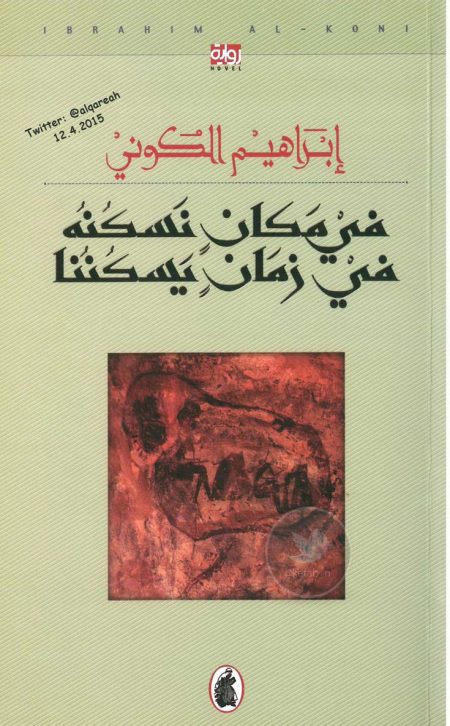
This symbolic philosophical novel explores the relationship between humanity and space and time, blending imagination with existential and spiritual questions in a narrative that surpasses the boundaries of reality to reveal the meaning of life and humanity.
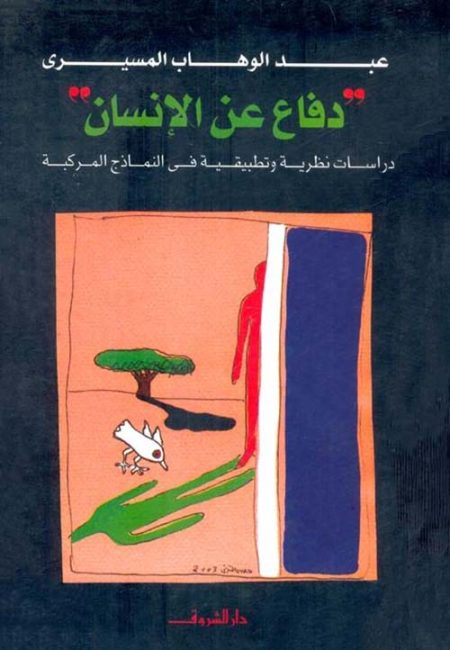
This book addresses human issues in modern thought through analytical and theoretical studies, deconstructing materialist intellectual models and highlighting more humane alternatives for understanding reality and knowledge.
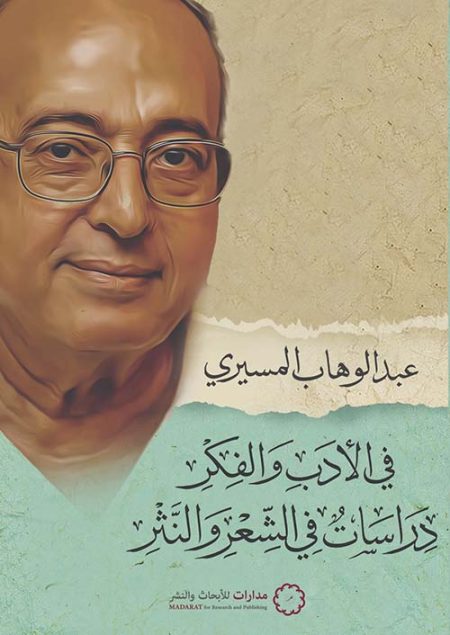
This collection of critical and intellectual studies examines poetry and prose with profound analytical insight, discussing the relationship between literature, thought, and humanity from a cultural and civilizational perspective.