962-7983-18423+
24/7 دعم

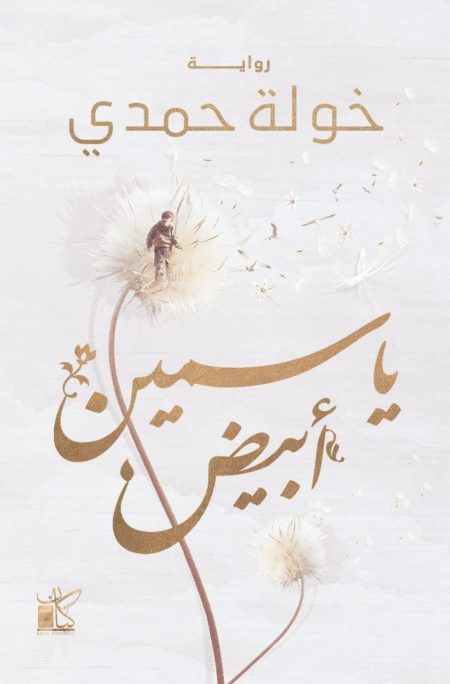
It is a philosophical novel that delves into the human psyche, exploring inner conflict, isolation, and intellectual contradictions through the reflections of a character living in alienation from society.
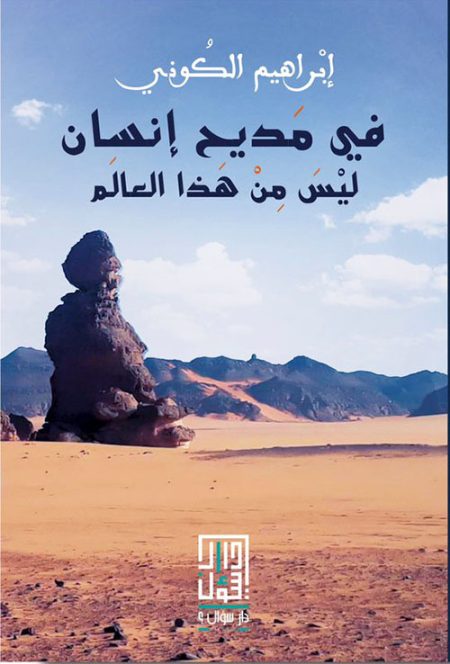
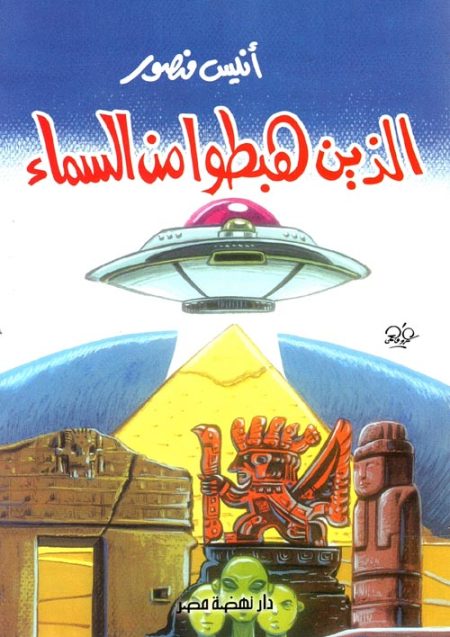
A narrative journey that contemplates the meaning of human existence through visions that blend the spiritual with the mythical, and revisits the fundamental questions of destiny. A text that delves into the depths of the soul, revealing the human struggle between strength and weakness in a world that transcends the boundaries of reality.
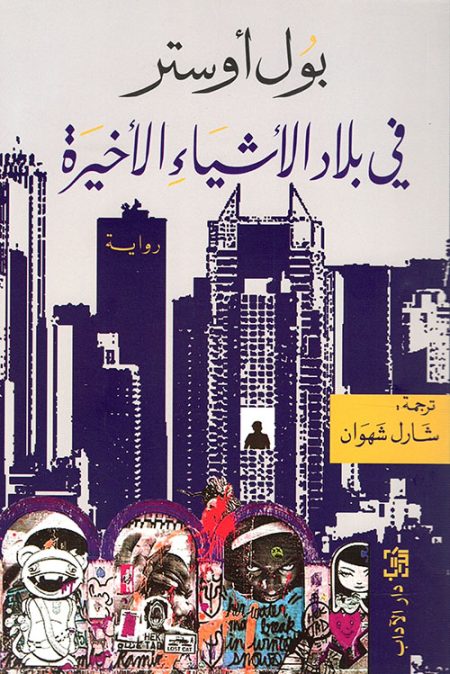
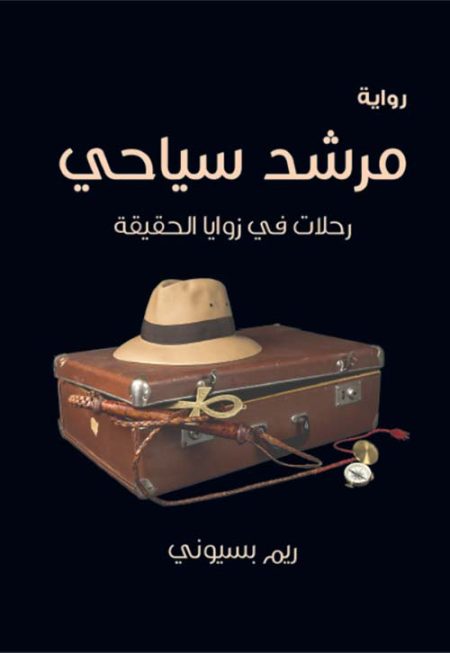
A novel that explores the human journey in the face of social and political change, exploring internal conflicts and existential questions. A philosophical text that reflects the search for meaning and freedom amidst a volatile and complex reality.
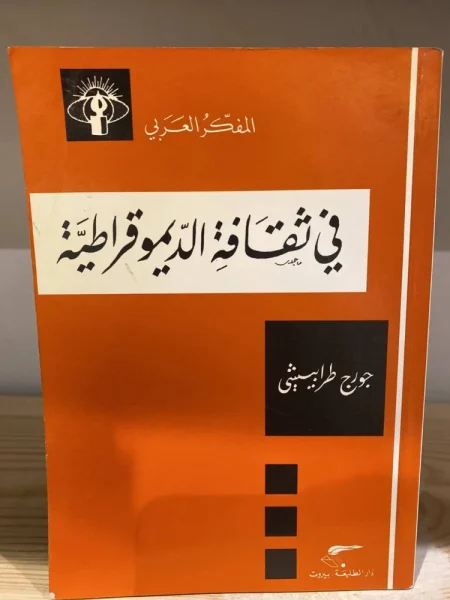
This book discusses the concept of democracy from a cultural and intellectual perspective, analyzing its relationship to the social structure and the Arab mind, while offering a critical analysis of the obstacles preventing its consolidation.
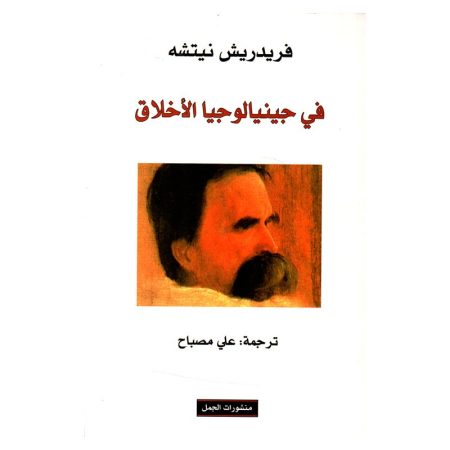
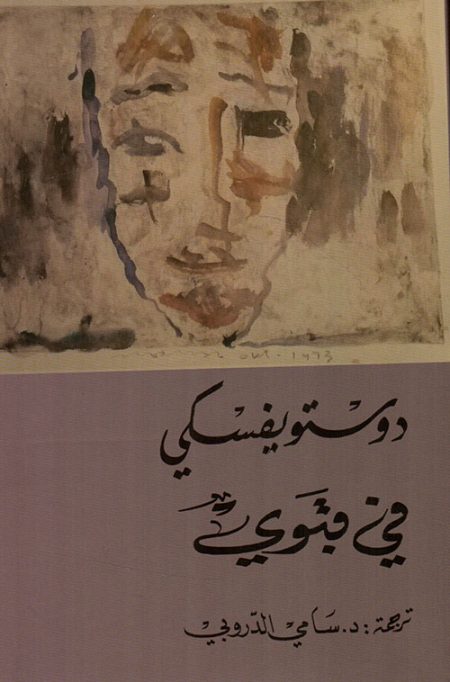
A radical deconstruction of the concepts of good and evil, revealing how morality was formed through conflict, power, and weakness, and re-examining prevailing values as historical and psychological products, not fixed axioms.
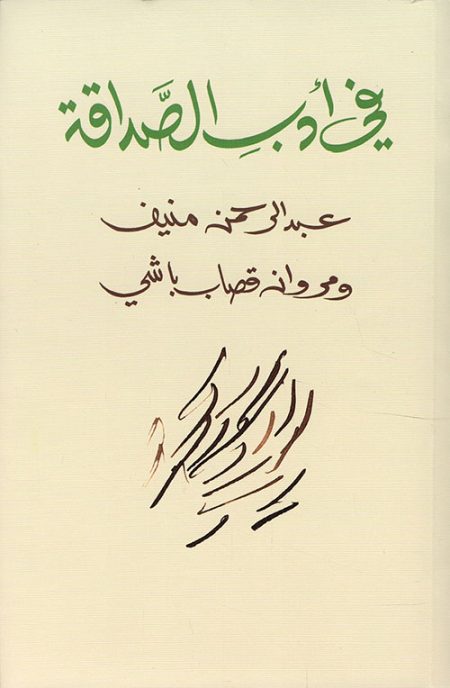
A book that delves into the meaning of friendship with profound human and intellectual depth, exploring its values and transformations in human life with a reflective style rich in experiences and insights.
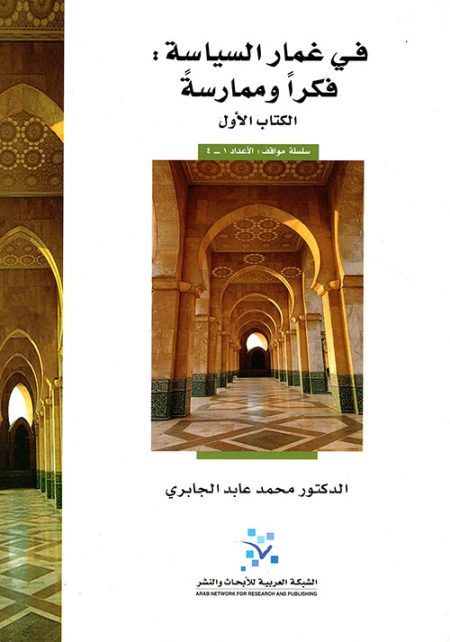
This book examines the Arab political and intellectual experience through articles, dialogues, and memoirs that reflect the development of political and cultural awareness, along with a critical reading of events and transformations in the Arab world.
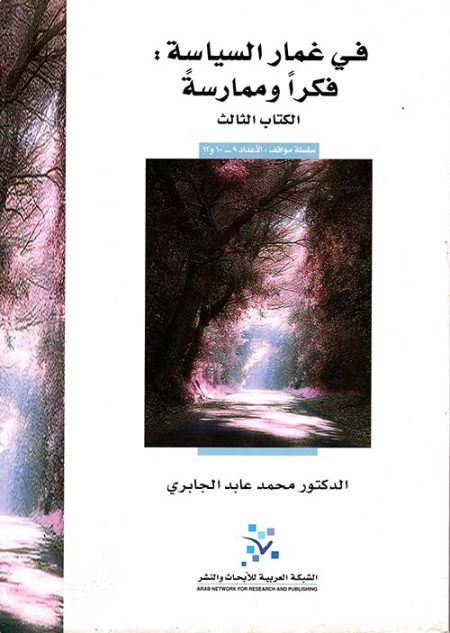
The book analyzes the Moroccan political experience, the shifts in power, and the political conflict during and after independence, offering a critical reading of the events and decisions that influenced the political and intellectual landscape.
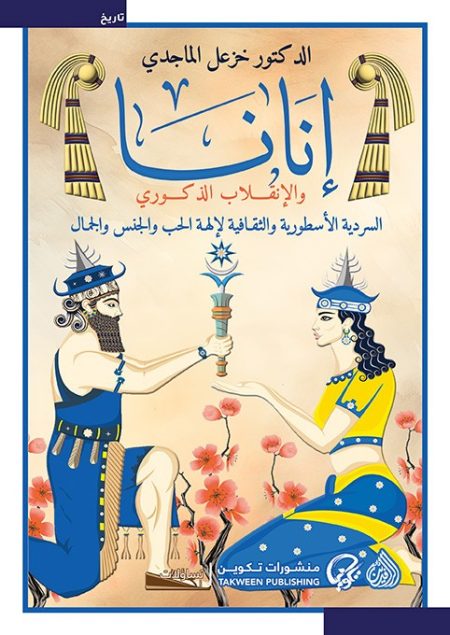
An intellectual study that examines the transformations of the social and religious structure in the civilizations of Mesopotamia, and explores the transfer of symbolic power from the sacred female to the male system, through a reading of ancient myths and symbols.
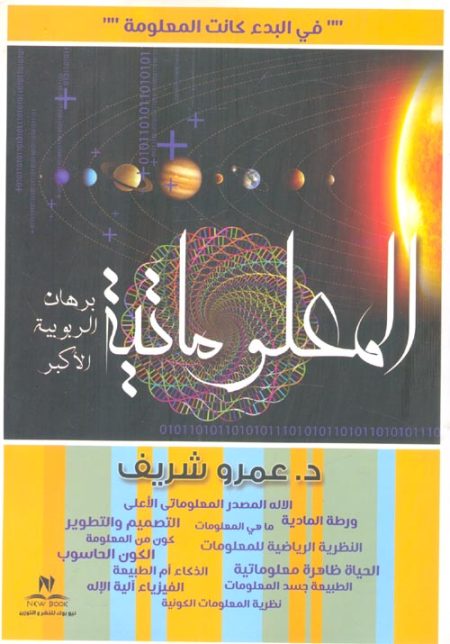
This book explores the relationship between information technology and the origin of the universe, presenting philosophical and rational arguments, through modern scientific concepts, that support the idea of a Creator who organized the universe.
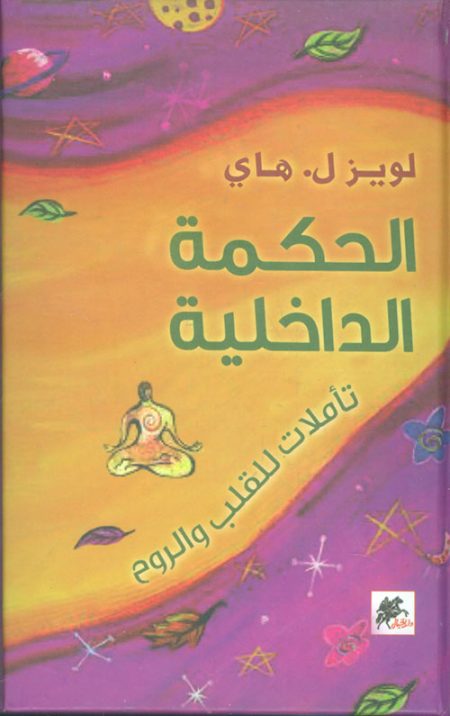
This book offers a collection of inspiring meditations that call for inner peace and self-love. It helps readers heal emotional wounds and discover the strength within to live consciously and harmoniously.
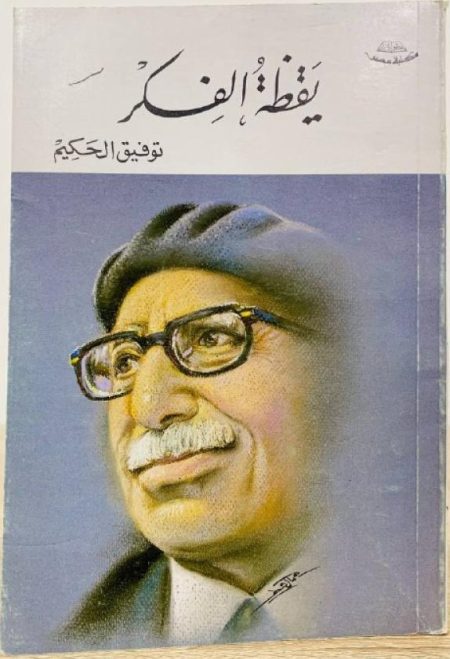
This collection of intellectual articles discusses issues of society, culture, and intellectual freedom in a deeply reflective style, presenting diverse perspectives on humanity, ideas, and social transformations.
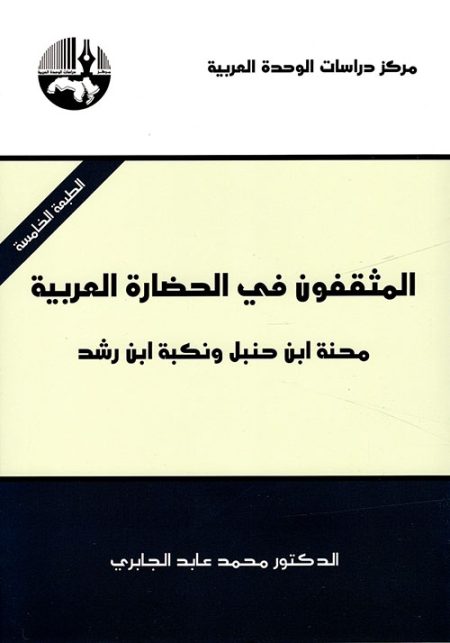
The book explores the relationship between intellectuals and authority in Arab-Islamic civilization through an analysis of the ordeals of Ibn Hanbal and the calamity of Ibn Rushd, revealing the conflict between thought and religious and political authority throughout history.
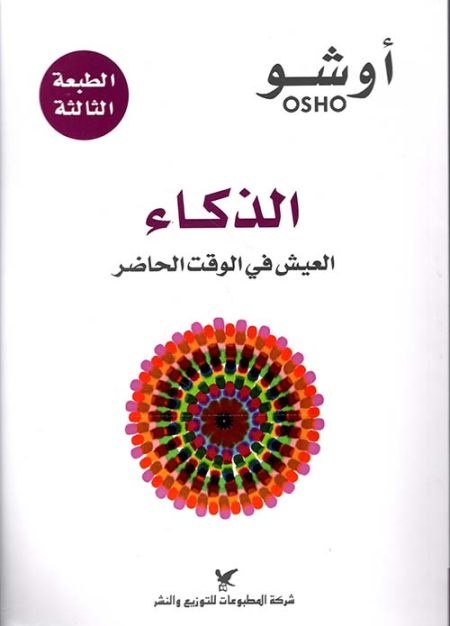
It focuses on cultivating awareness of the present moment and explains how the mind can become clearer and more intelligent when freed from the constraints of the past and anxieties about the future, allowing one to live fully consciously in the now.
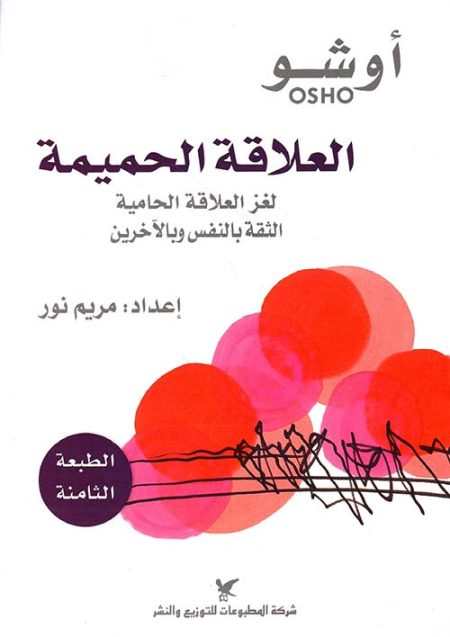
The book explores the concept of intimacy as a profound human experience that transcends the physical realm. It examines the fear of opening up to others and how self-confidence and acceptance can build a genuine relationship filled with love and understanding.
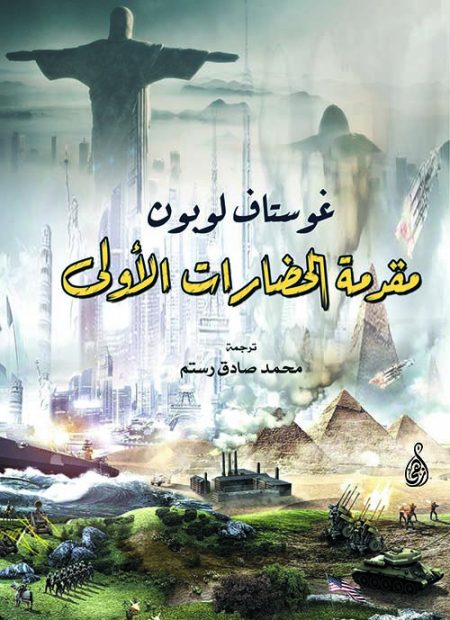
The book explores the development of early human societies and the rise of civilizations, analyzing the social, religious, and moral factors that contributed to the advancement or decline of peoples, while offering a historical and intellectual perspective on human development throughout the ages.
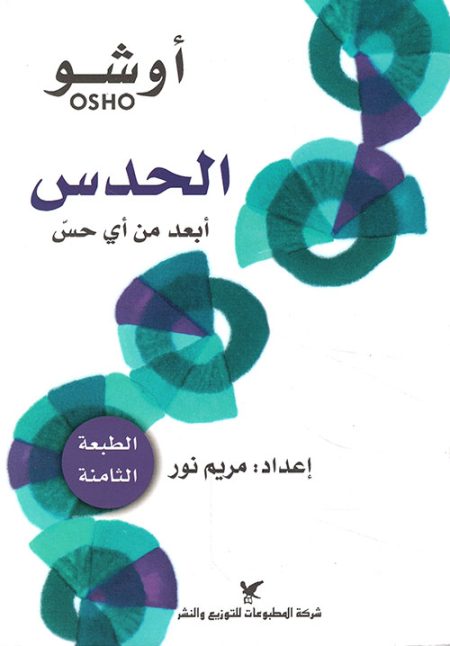
This book explores the concept of intuition as a deep inner ability that transcends logical thinking, and explains how a person can trust their inner sense and develop it into a means of understanding life and making decisions with greater awareness and clarity.
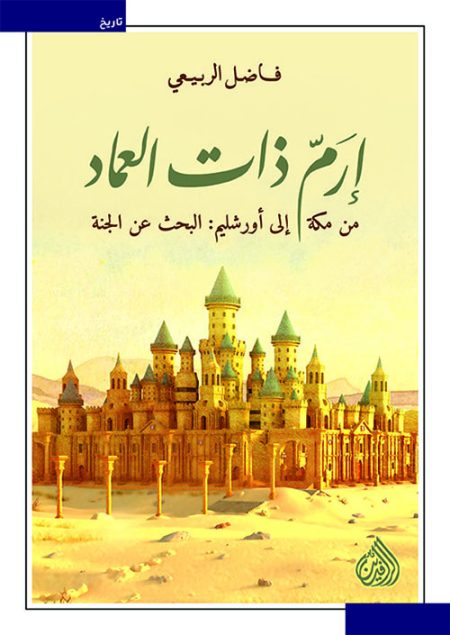
It presents a study that examines the true location of the city of Iram of the Pillars, with a re-reading of religious, historical and mythological texts, and puts forward a critical vision that links geography and history in a journey to find the lost city.
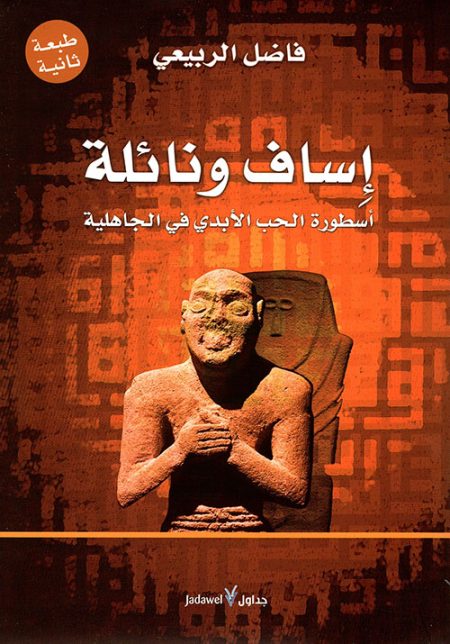
This work examines an ancient Arab myth from a historical and cultural perspective, offering an analytical reading that reinterprets its symbols and meanings, and explores the concept of eternal love and its relationship to pre-Islamic beliefs and myths.
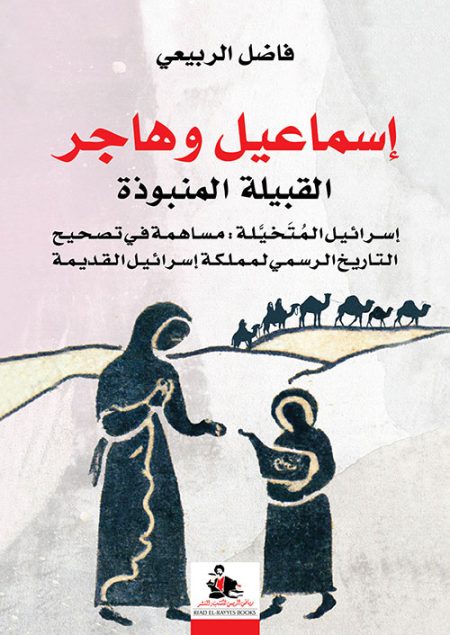
This work re-examines the historical and religious narratives associated with Ishmael, Hagar, and the Children of Israel, offering a critical perspective based on a review of sources and an attempt to reinterpret historical events and geography.