962-7983-18423+
24/7 دعم

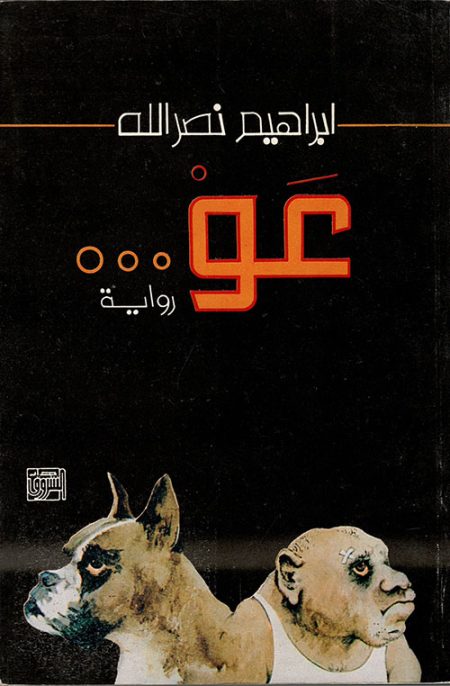
The novel profoundly reveals the cruelty and brutality of power through a world filled with fear and oppression, where humanity is transformed into a bitter struggle between survival and annihilation under a merciless regime.
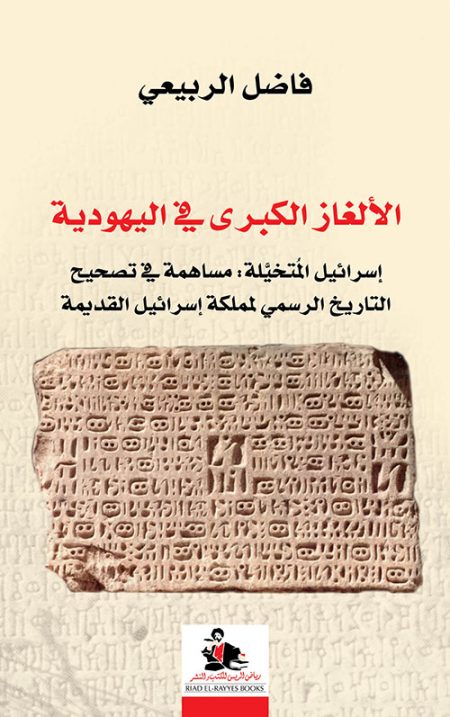
He offers a critical reading of historical accounts and interpretations related to Judaism, presenting a research-based perspective that discusses the origins of events and figures based on historical and geographical comparisons and diverse sources.
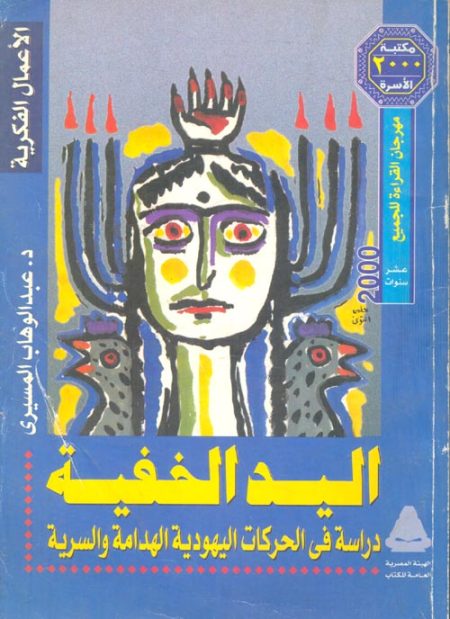
It also includes an intellectual study examining Jewish secret movements and organizations and their political and intellectual influence, along with an analysis of the concept of the “conspiratorial mindset” and its relationship to Zionism and subversive movements.
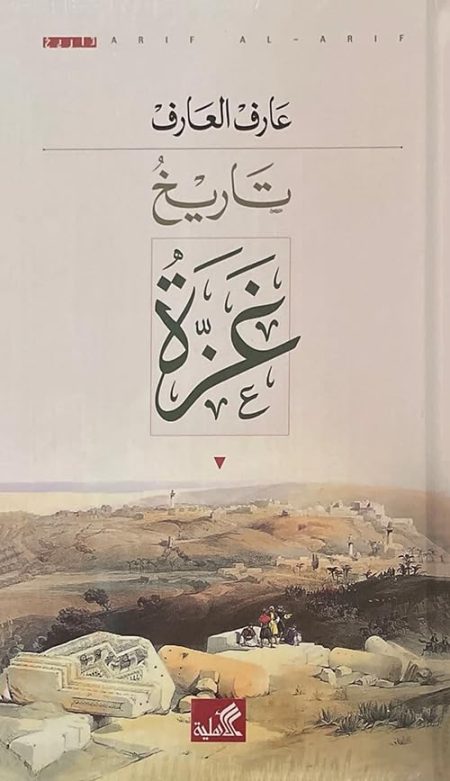
This history of Gaza, from ancient times to the British Mandate period, explores its political, cultural, and social development, and the most significant events and peoples who have inhabited it throughout history.
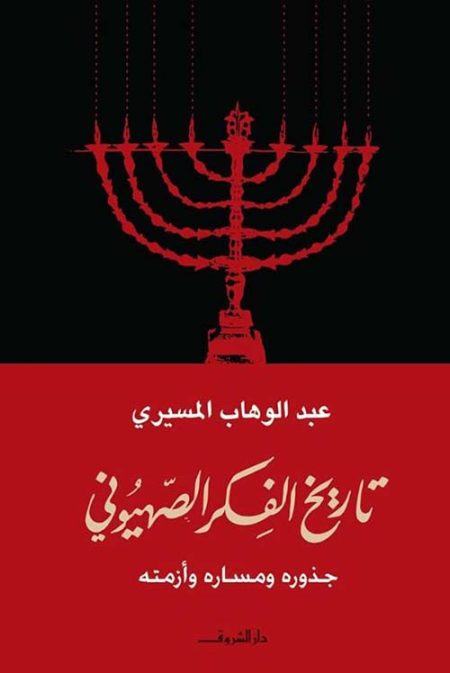
The book examines the origins and historical and intellectual development of Zionist thought, analyzing its religious and political roots and its relationship to Western and colonial movements. It also discusses the crises and transformations that the Zionist project has faced throughout its various phases.
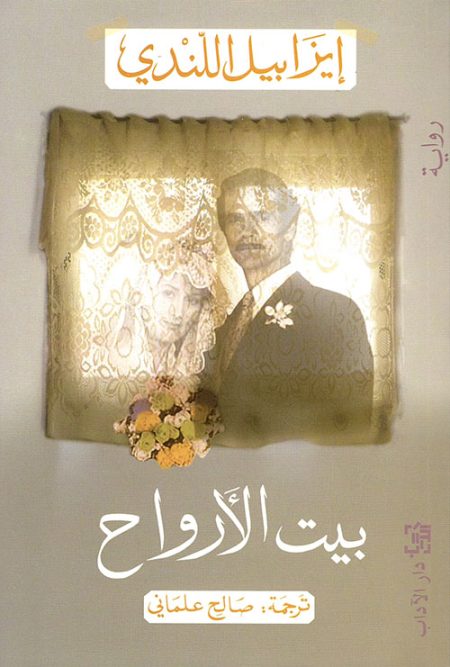
The story revolves around a family history spanning several generations, where tales of love, conflict, and power intertwine with social and political transformations, in a blend that combines realism with magic and human drama.
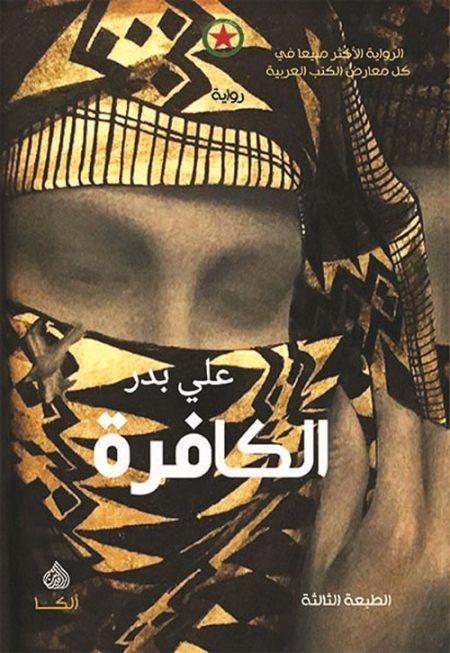
This narrative explores the journey of a woman grappling with the clash between individual freedom and social and religious constraints, in a bold story that touches upon issues of identity, rebellion, and the search for self. The text delves into the transformations of consciousness and the experience of breaking away from the familiar, employing a psychologically realistic style.
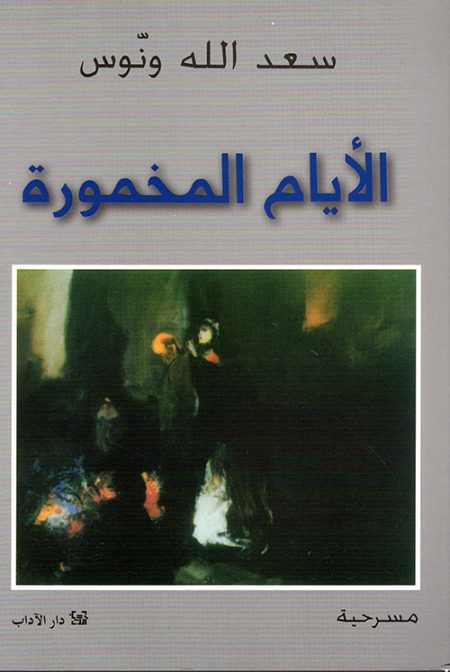
These texts reflect on life, human anxieties, and daily defeats, employing a dense language that blends irony, bitterness, and critical awareness. The work reveals a profound inner struggle with reality and the self, transforming personal experience into an open-ended intellectual inquiry.
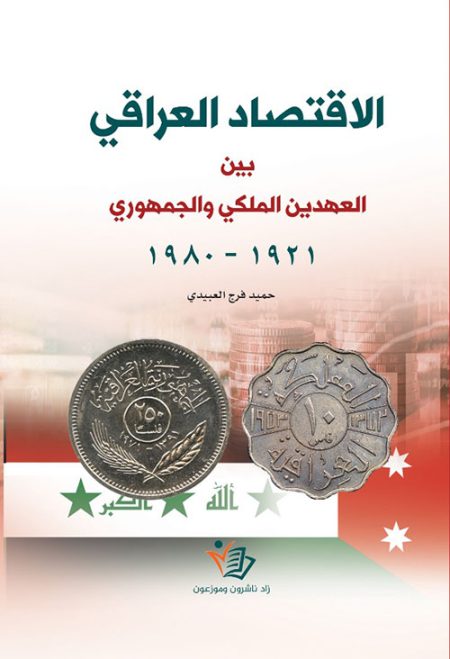
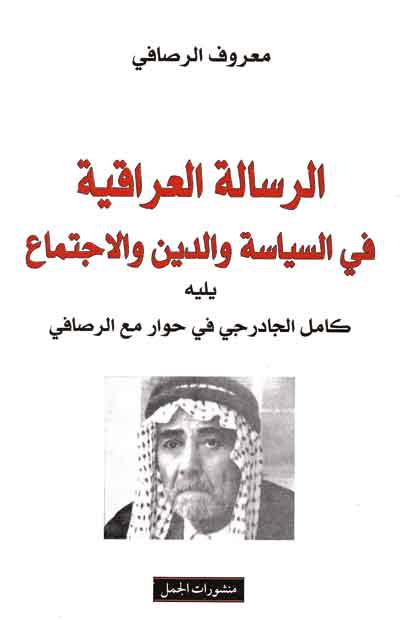
The book examines the development of the Iraqi economy during the monarchical and republican periods, analyzing economic policies, developmental transformations, and their impact on various economic sectors between 1921 and 1980.
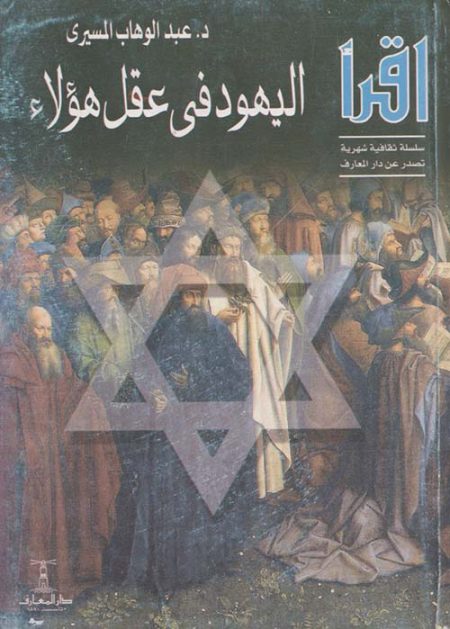
This book examines how the image of the Jews is formed in modern Western and Arab intellectual discourse, analyzing the cultural and ideological backgrounds that contributed to the construction and dissemination of this image.
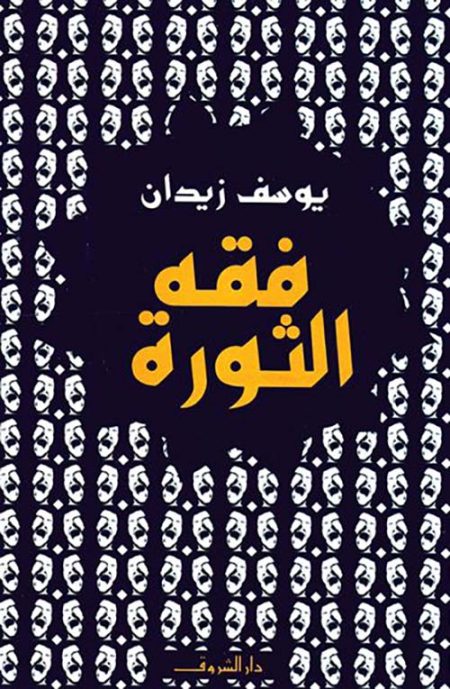
This is an intellectual reading that examines the concept of revolution in the Arab context, analyzing its religious and political roots and its impact on societies, while offering critical perspectives on popular consciousness and historical transformations.
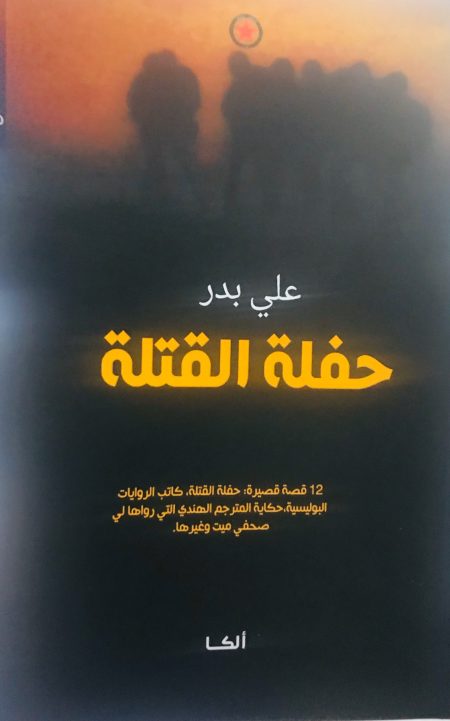
This narrative illuminates the world of crime and politics in a turbulent society, revealing a web of dark relationships and hidden conflicts between power and violence. It delves into the psychological depths of its characters and presents reality with sharp, satirical criticism.
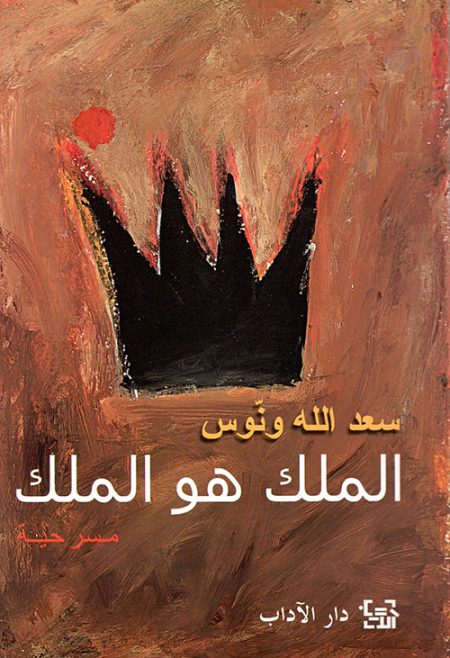
This symbolic theatrical work exposes the mechanisms of power and how despotism is reproduced when faces change while the structure remains the same. It offers a satirical critique of the relationship between the ruler and the ruled, and exposes the illusion of change when it does not touch the essence of governance.
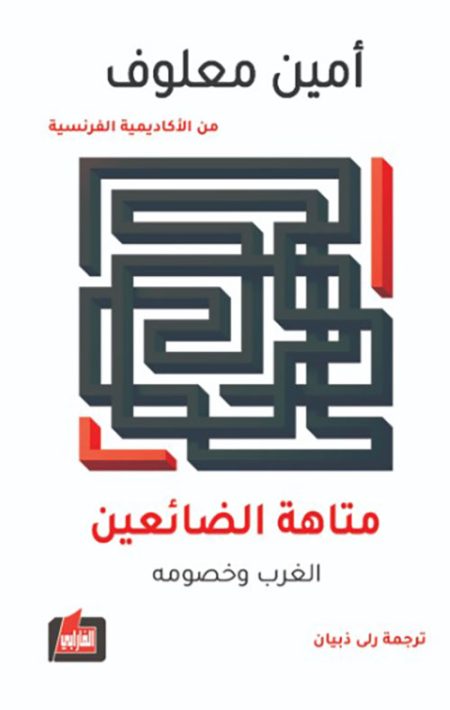
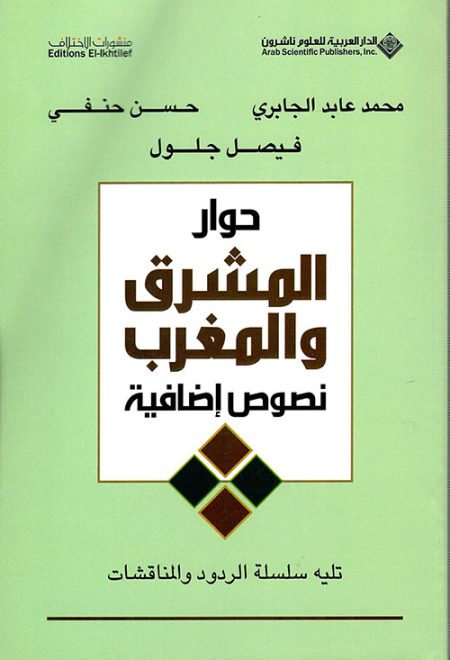
He offers an in-depth reading of the transformations of the modern world and the clash of identities, analyzing the roots of global turmoil and the strained relationship between East and West. He raises questions about the future of humanity in light of rising intolerance and the decline of the values of dialogue.
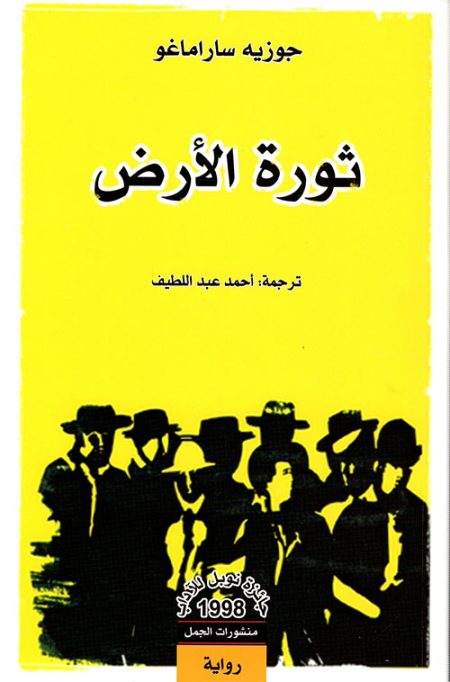
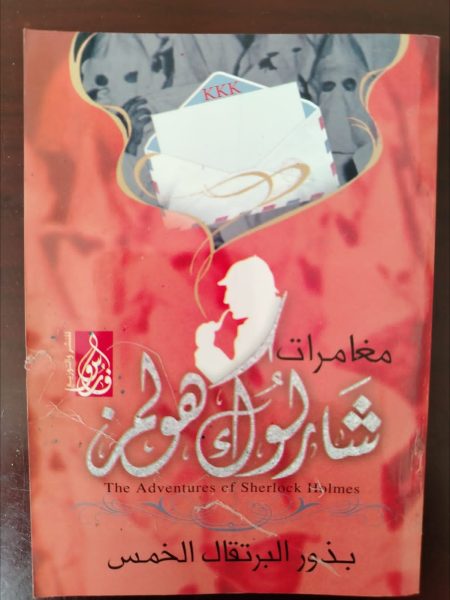
A novel that traces the transformations of a rural Portuguese society across generations of peasants, revealing the struggle of humanity against social injustice and tyranny, and embodying His constant yearning for freedom and dignity.
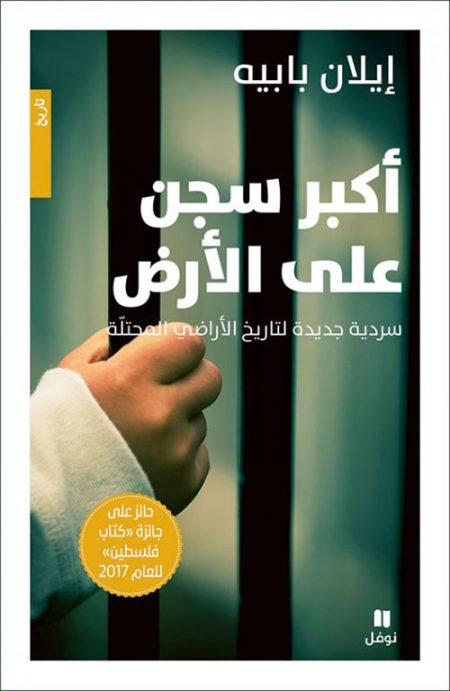
This book reveals, through a well-documented analytical approach, the policies of control and closure imposed on Palestinians. It presents the evolution of the siege and surveillance system as an integrated structure designed to entrench a permanent political reality.
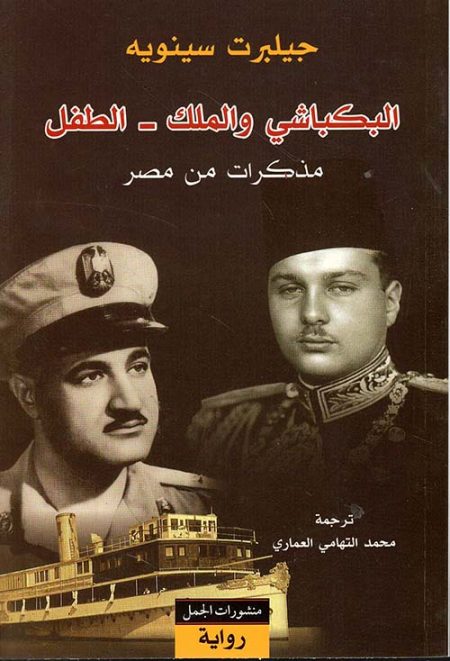
The novel explores the atmosphere in Egypt during the final years of the monarchy, tracing the political and social tensions that preceded the July Revolution, through the intertwining of King Farouk’s fate and Gamal Abdel Nasser’s rise to prominence in the political and military arenas.
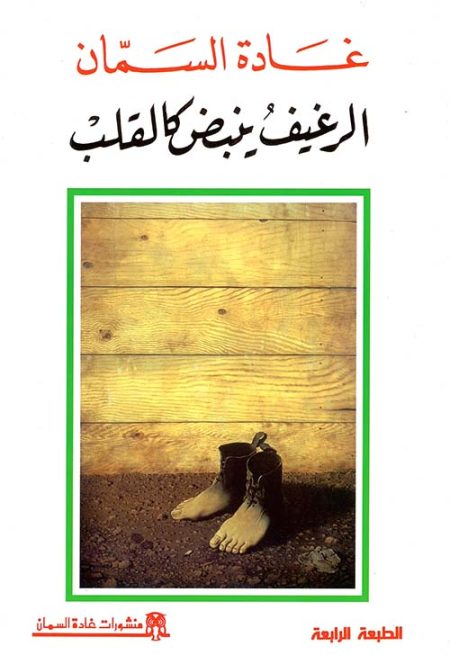
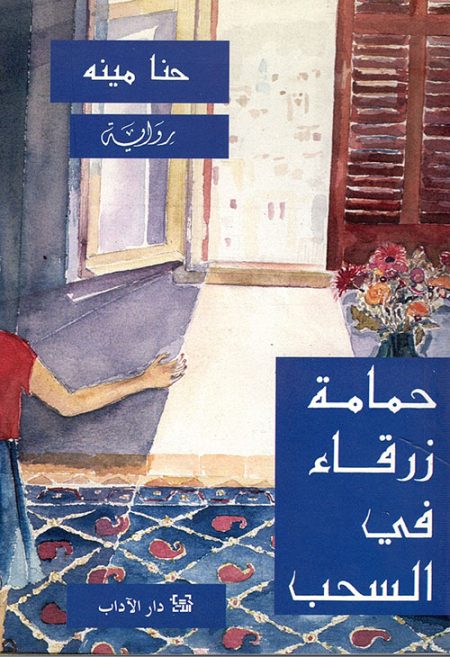
A literary work that chronicles the suffering of Beirut and Lebanon during wartime, and depicts the lives of the poor and working class, and the effects of devastation on people and places, in a literary language imbued with human and national sentiment.
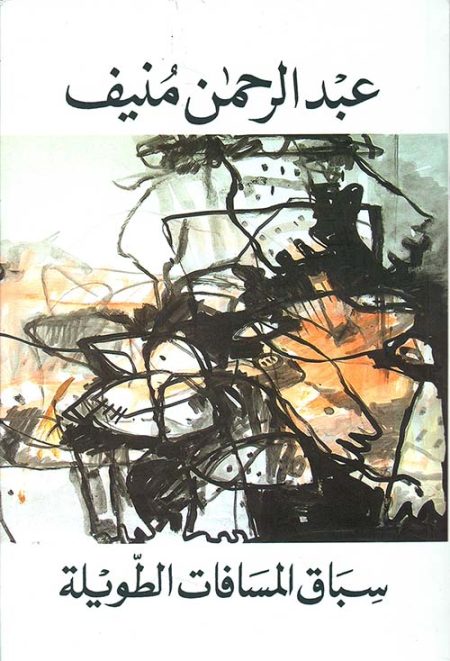
This novel sheds light on the struggle for influence and interests in the Gulf region, revealing the hidden aspects of political and economic relations in a captivating style that reflects the tensions of that era.