962-7983-18423+
24/7 دعم

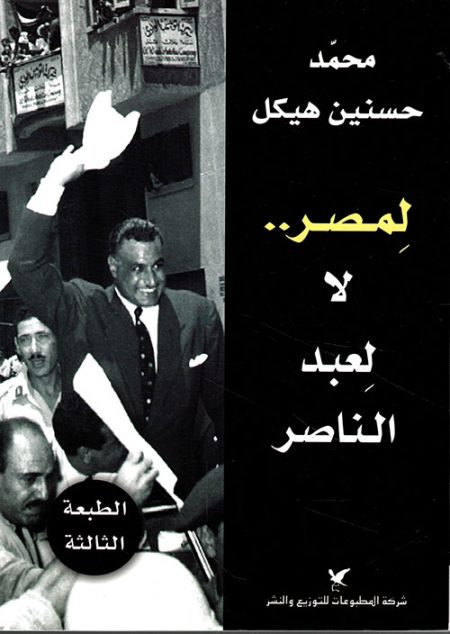
The book offers a detailed analysis of the trajectory of Arab leaders after the July Revolution, reviewing the internal and external policies and the challenges that Egypt faced during its critical phases. It deals with historical events in a documentary style, while also monitoring regional and international influences.
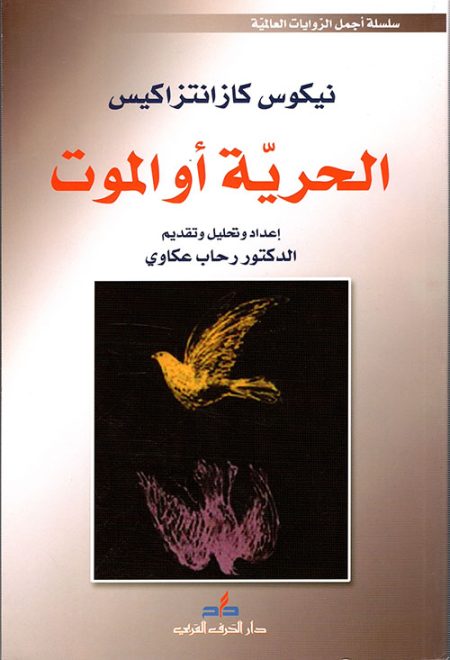
This epic novel, set on the island of Crete during Ottoman rule, embodies the people’s struggle for dignity and independence, delving into the depths of the human psyche between the belief in freedom and the willingness to sacrifice even life.
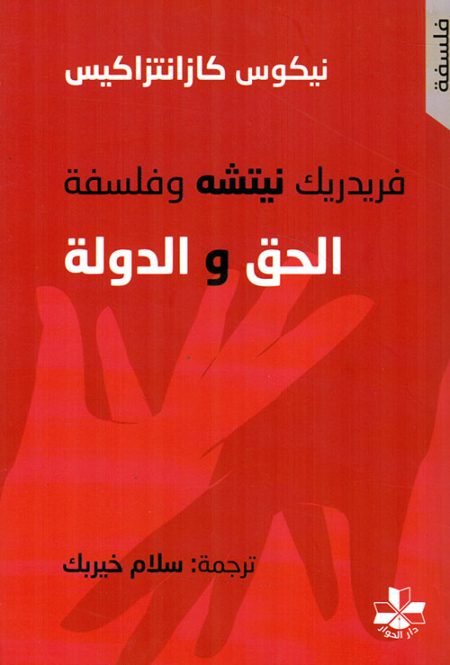
This intellectual study examines Nietzsche’s vision of right and the state, deconstructing the foundations of his political and moral philosophy and analyzing his stance on authority, values, and the Übermensch within a profoundly critical framework.
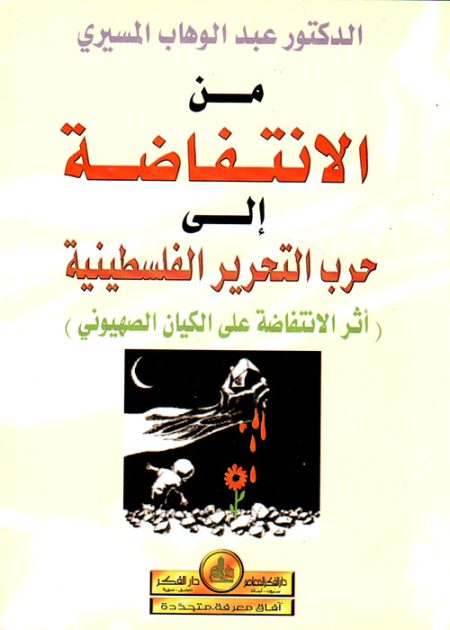
This book explores the Intifada and its impact on the Zionist entity. This book discusses the course of the Palestinian cause and the political and field transformations since the Intifada, with an analysis of the concepts of resistance and liberation and the development of the conflict in the Arab and international context.
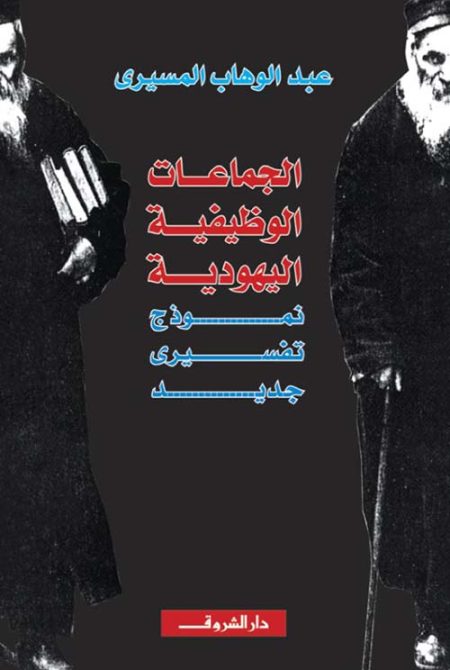
This book discusses the concept of “functional groups” as an explanatory framework for understanding the role of certain groups in modern history, along with a critical analysis of their associated social, economic, and political structures.
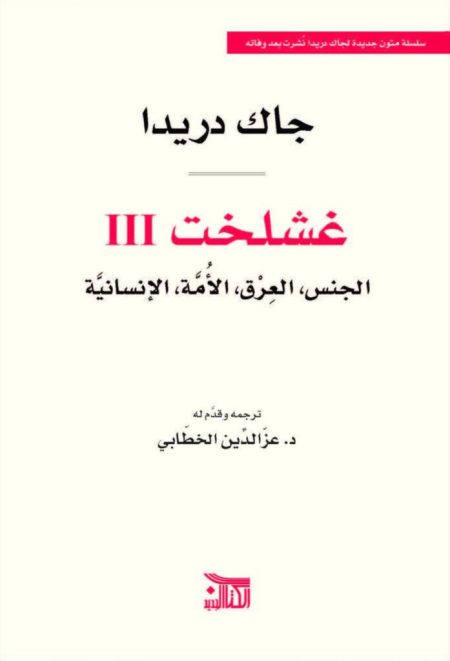
It offers a philosophical deconstruction of the concepts of gender, race, nation, and humanity, analyzing their relationship to identity, politics, and modern thought through a profound critical reading that raises questions about belonging and difference.
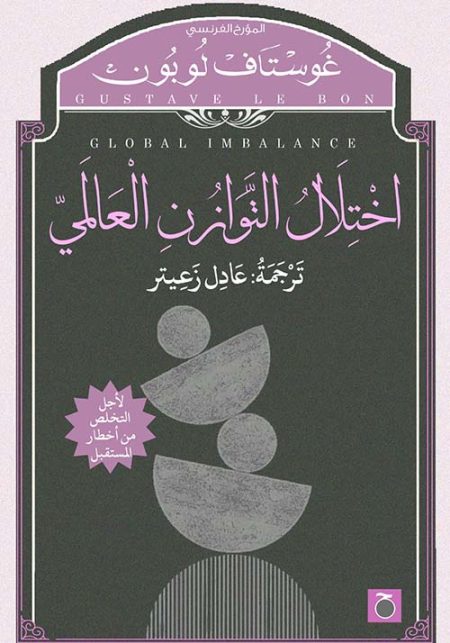
The book analyzes the profound shifts in the balance of power between nations and how psychological and social factors influence the rise and fall of civilizations, along with an examination of the causes of global instability.
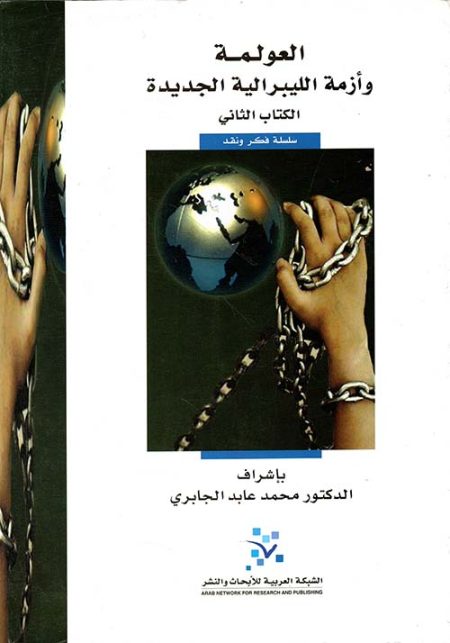
The book examines the major transformations imposed by globalization and the impact of neoliberalism on Arab societies and the world at large, offering an intellectual and political analysis of contemporary economic and cultural crises.
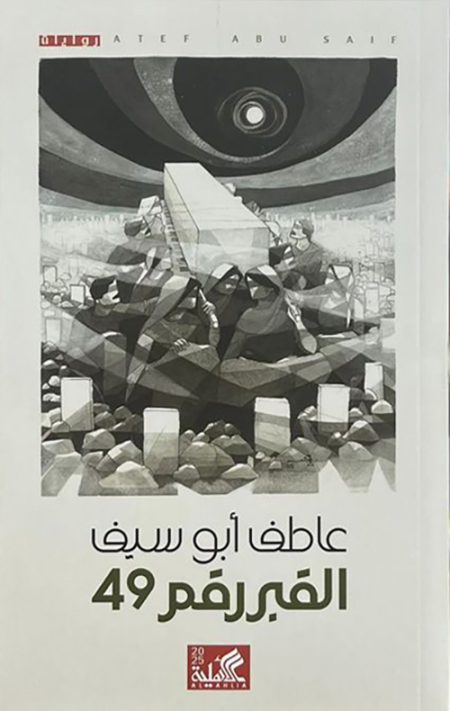
A poignant novel that delves into the harsh realities of human life within the prison environment, where personal stories intertwine with pain and hope, revealing the human struggle against fear, memory, and freedom.
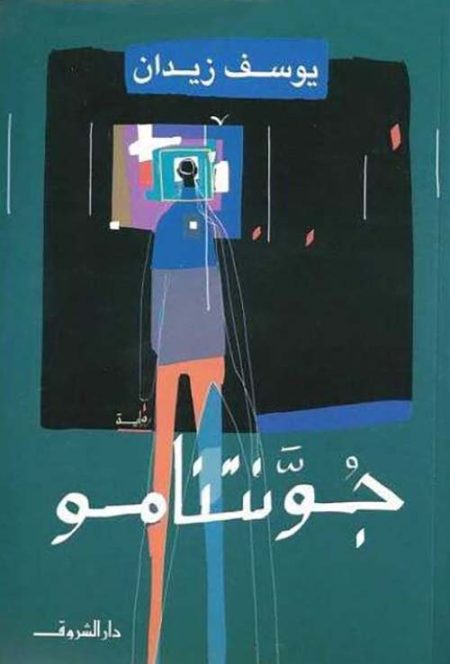
The novel sheds light on a harsh human experience within the prison, where physical and psychological suffering intertwine with profound questions about freedom, identity, and dignity.
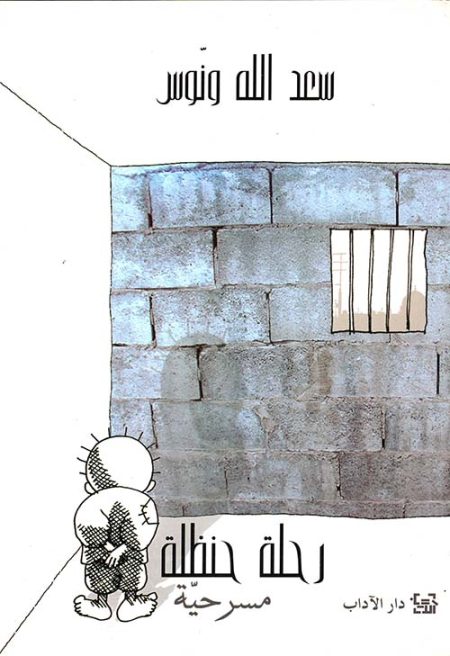
A theatrical text that contemplates the meaning of life and human choice under the weight of oppression and disappointment, revealing humanity’s struggle with fear and waiting.
It poses existential and political questions in a dense, symbolic language that reflects a crisis-ridden reality and a deferred hope.
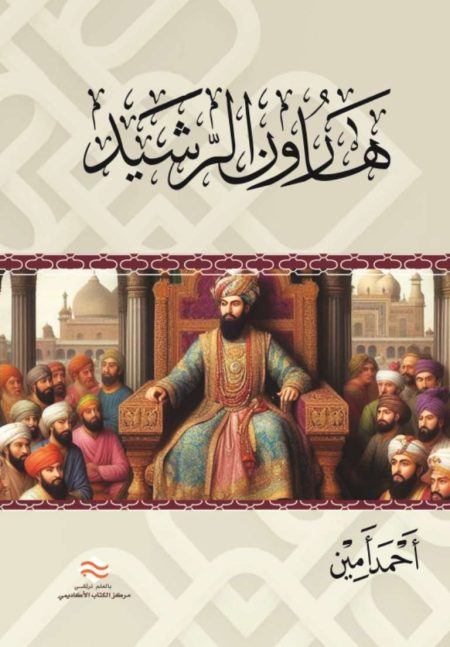
This book presents the biography of one of the most prominent Abbasid caliphs, exploring his personality and his political and cultural achievements, while highlighting the social and cultural life and pivotal events of his era in a smooth historical style.
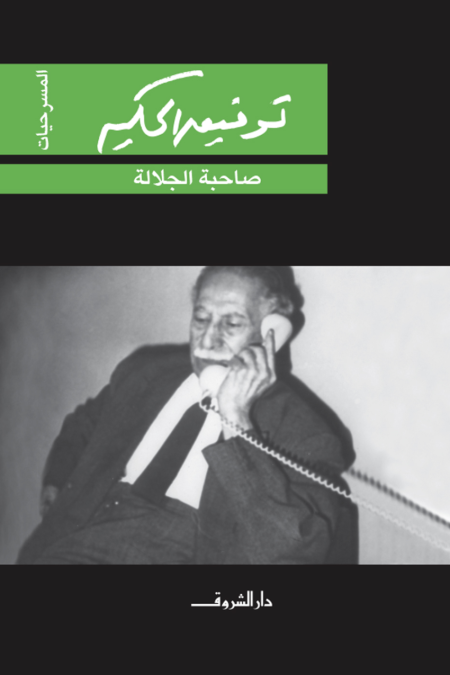
A politically satirical play that sheds light on power, the media, and social relations through symbolic dialogues and allegories that reflect the reality of society and its issues.
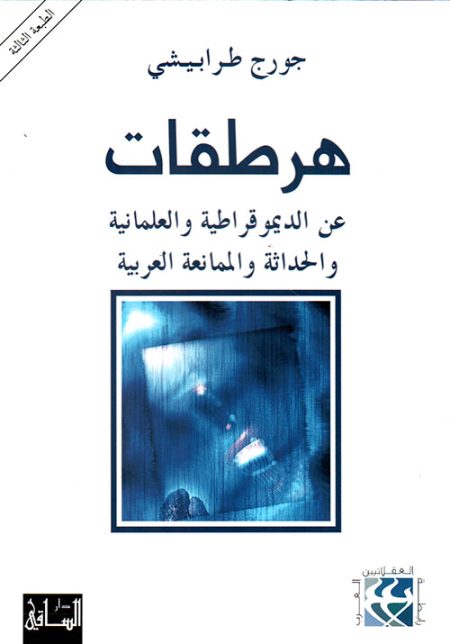
This is a critical intellectual work that discusses the concepts of democracy, secularism, and modernity in the Arab context. It deconstructs prevailing discourses surrounding these concepts with a bold analytical approach that exposes the contradictions and intellectual illusions associated with them.
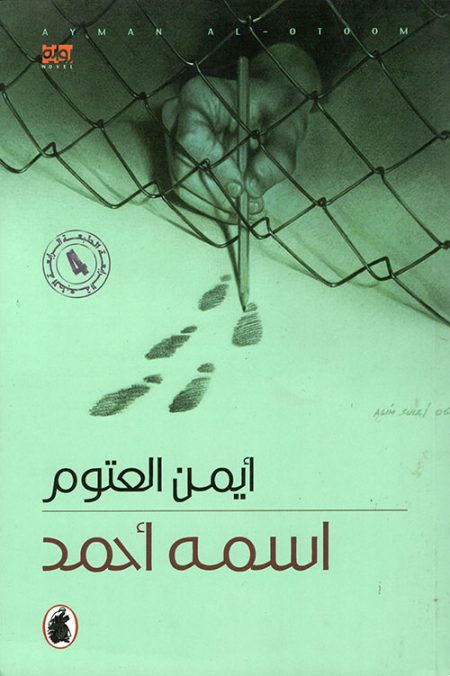
This novel tells the story of a central character named Ahmed, within a series of dramatic and moving events. It blends human and linguistic challenges in a rich and impactful narrative style that takes the reader on a journey into the human psyche and its transformations.
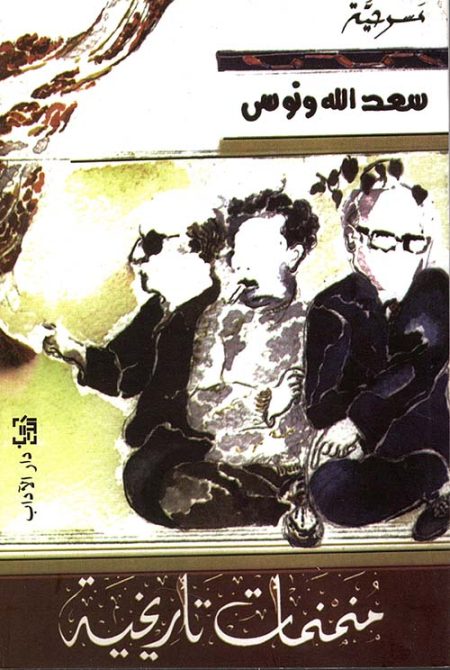
Theatrical texts draw inspiration from historical moments to deconstruct the relationship between power and humanity, reinterpreting the past with a contemporary awareness that exposes oppression and defeats, and poses questions of freedom and responsibility through powerful symbolism.
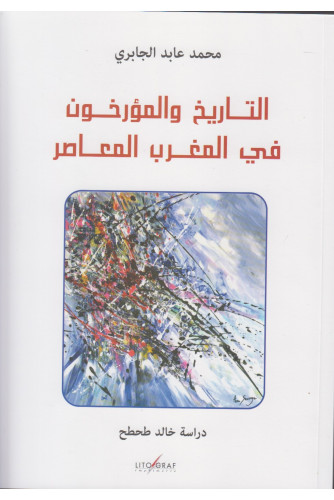
This critical study examines the development of historical writing in contemporary Morocco and analyzes the methodologies and intellectual trends of historians in their reading of Moroccan history, employing a profound academic approach.
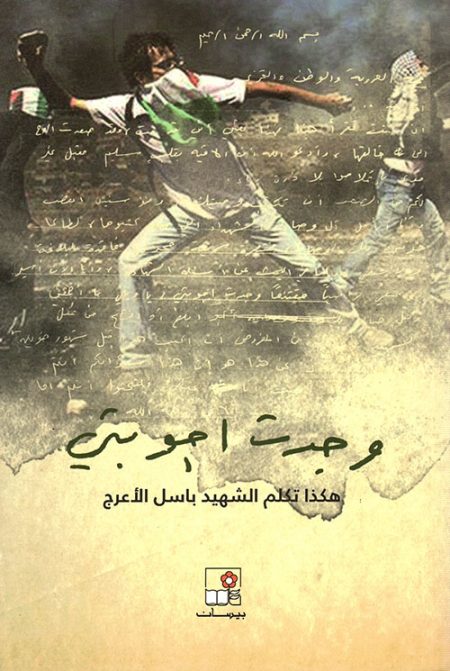
These texts and intellectual reflections document a living resistance experience, blending historical and political awareness with a critical analysis of the Palestinian reality, all within a spirit of incitement that calls for action, knowledge, and commitment to the cause.
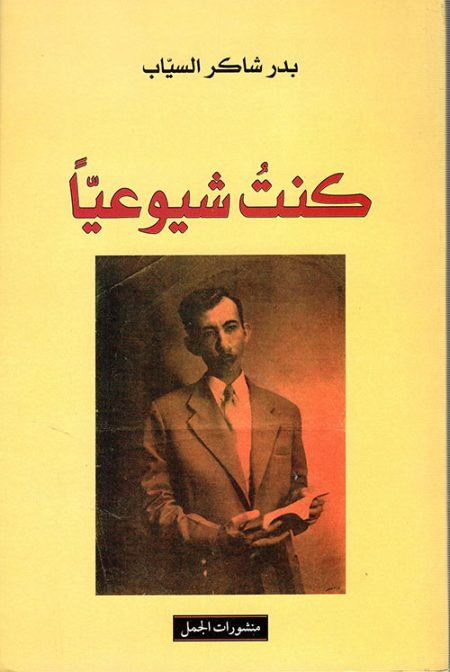
It is a collection of confessions and essays that explore a personal political and intellectual experience, revealing aspects of life within the Iraqi Communist Party and the conflicts and disagreements that characterized that era, while also providing important documentation of a part of Iraq’s political history.
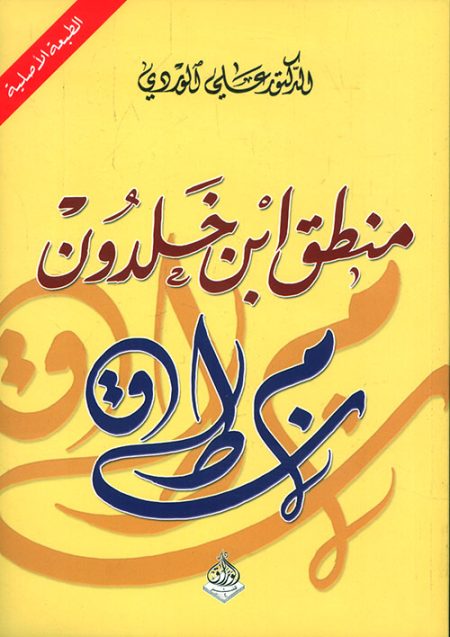
This intellectual work analyzes Ibn Khaldun’s ideas and methodology in understanding society and history. It offers a sociological interpretation of his concepts, such as social cohesion and the nature of the state, comparing them with some modern theories in sociology.