962-7983-18423+
24/7 دعم

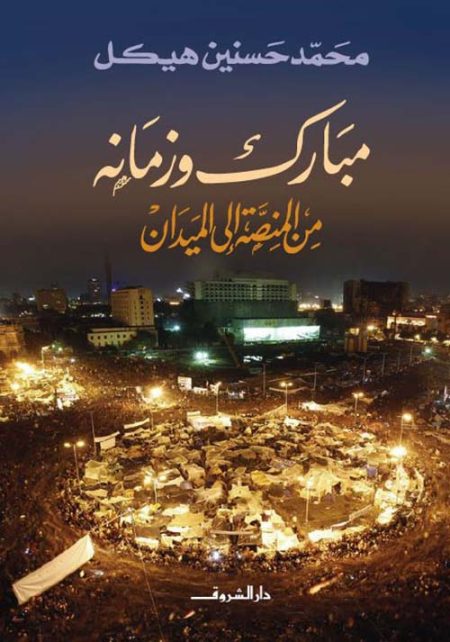
The book examines the trajectory of political transformations in Egypt by tracing the characteristics of governance and the accumulation of power, shedding light on the relationship between the leadership and society. It offers a profound analytical perspective on how the country transitioned from a state of apparent stability to the moment of popular uprising.
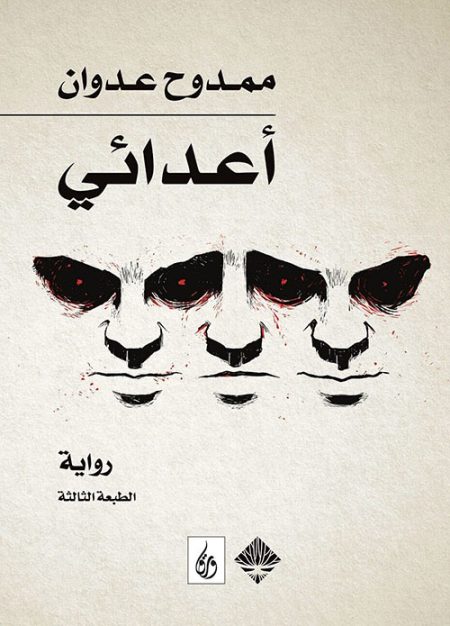
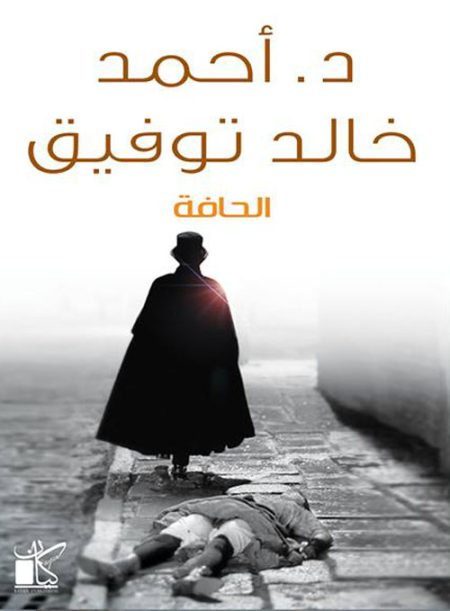
This historical novel addresses a sensitive period in the final years of Ottoman rule and the beginning of World War I, revealing, through its diverse characters, a world of political conflicts, espionage, and the transformations that society underwent during that turbulent time.
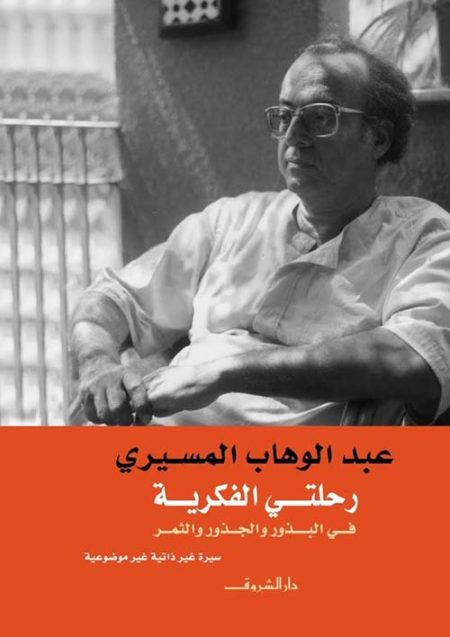
This intellectual biography traces the transformations of consciousness, human experience, and thought, and discusses issues of identity, modernity, and the relationship between cultural roots and intellectual shifts in a deeply reflective and analytical manner.
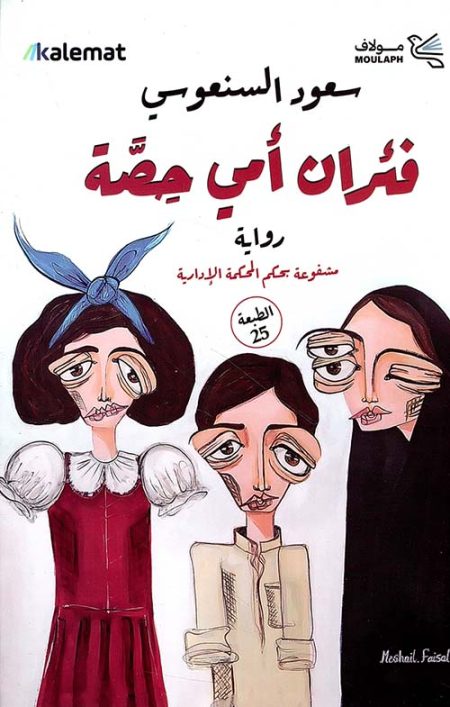
A novel that tells the story of a small community where human relationships are intertwined with sectarian tensions, and where daily life becomes a mirror of conflict, fear, and suspicion among the people of the same nation.
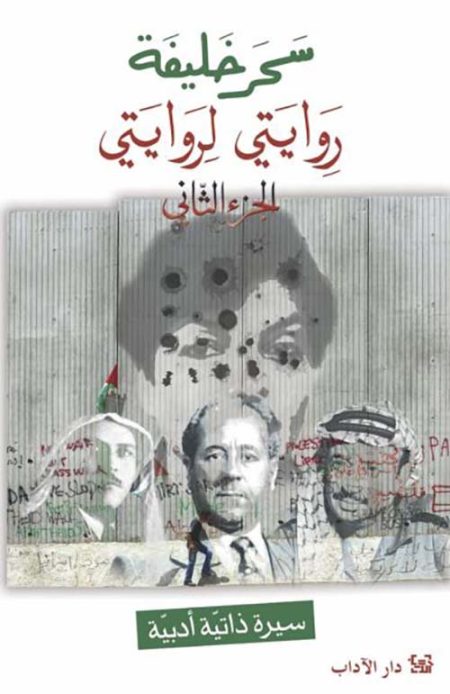
This narrative, where the personal and the public intertwine, reveals the transformations of the female self under the weight of a repressive political and social reality. Personal memory intertwines with collective experience, and questions of identity, commitment, and freedom are revisited from within the everyday and the intimate.
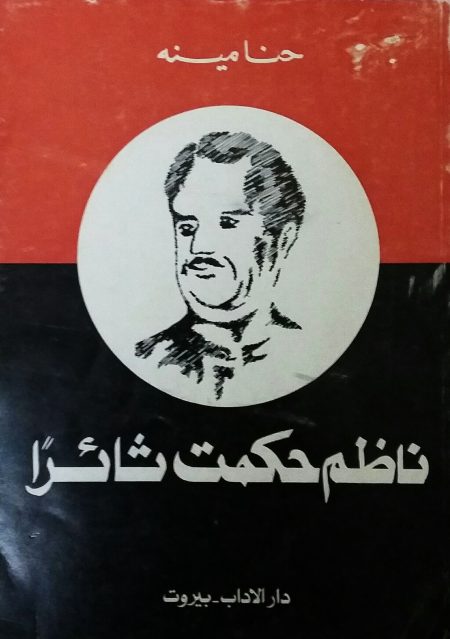
This book presents a powerful literary portrait of a revolutionary poet who lived his life between imprisonment and exile, revealing his struggle against oppression and his profound belief in freedom and justice. It traces the transformation of human experience into a creative act of resistance.
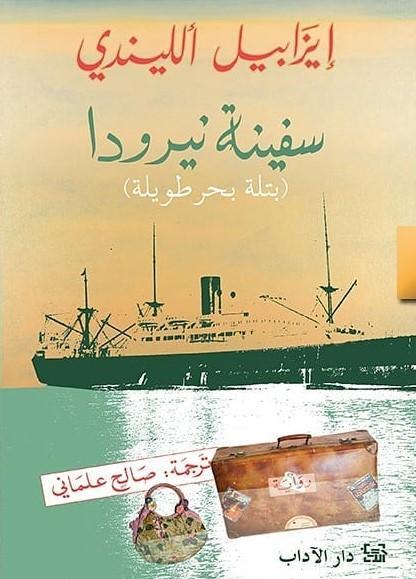
The novel revolves around a moving human journey that weaves together the destinies of refugees who fled the horrors of war, exploring love, displacement, hope, and building a new life amidst major historical transformations.
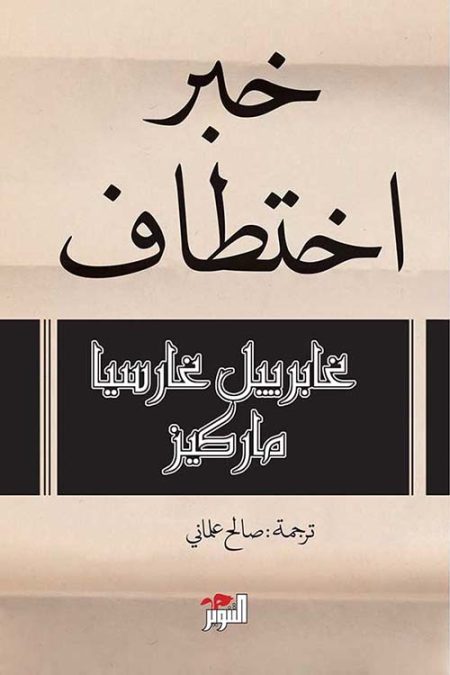
The work offers an intensive documentation of the real kidnapping events, revealing their political and human backgrounds, and following the details with a compelling realism that portrays the struggle of fear and hope among the victims and their families.
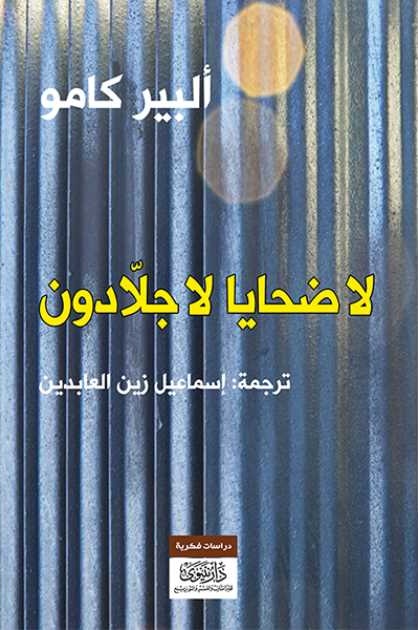
This intellectual text addresses violence and revolution from an ethical perspective, rejecting the justification of murder in the name of higher causes. It discusses individual responsibility and the limits of justice when ideas become tools of oppression.
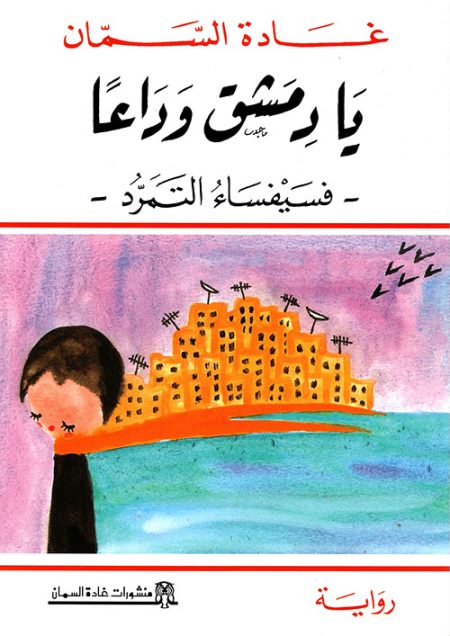
A novel that evokes Damascus in the 1950s and 60s, tracing the transformations of society, politics, and customs through tales of rebellion and the search for freedom, with a memory steeped in longing for the city, its places, and its atmosphere.
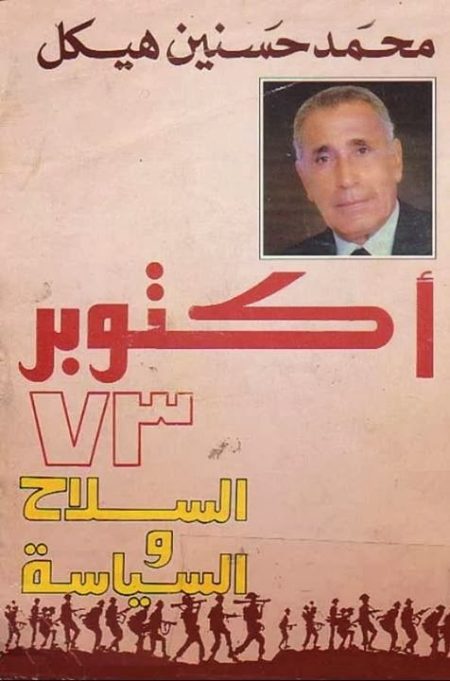
This in-depth analysis of the events of the October War and its political and military repercussions offers a comprehensive view of how decisions were made at a pivotal moment in the region’s history, while connecting the events to their international and regional contexts.
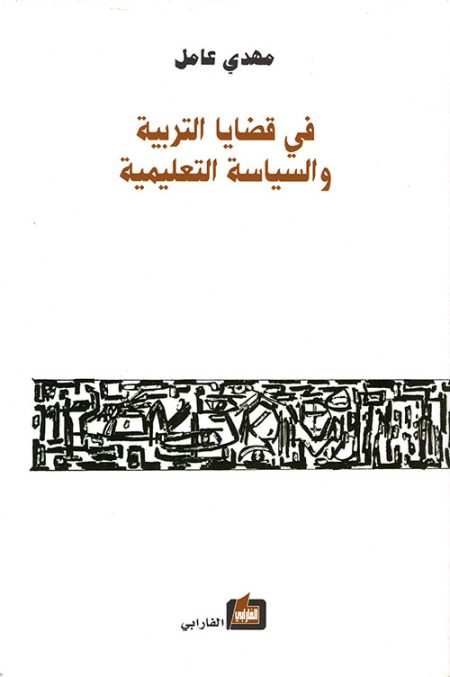
The book offers a profound critical analysis of the structure of the educational system and its relationship to power and society, exploring how education is used as a tool to either perpetuate or confront hegemony. It seeks to uncover the mechanisms by which consciousness is shaped through education and proposes a vision for liberating it from dependency.
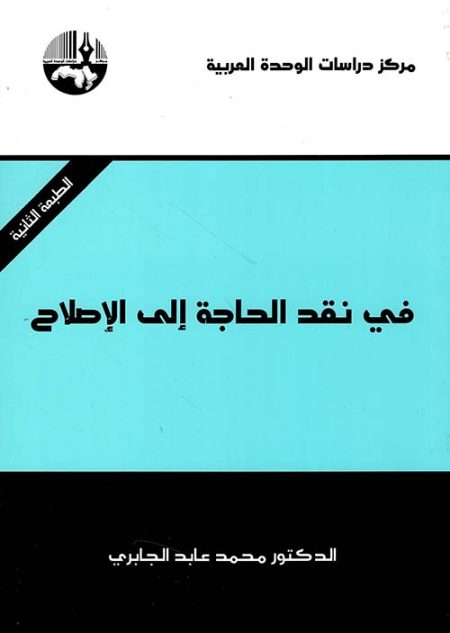
The book discusses issues of intellectual and political reform in the Arab world and presents a critical vision for analyzing the causes of civilizational stagnation and the means of change from a contemporary intellectual perspective.
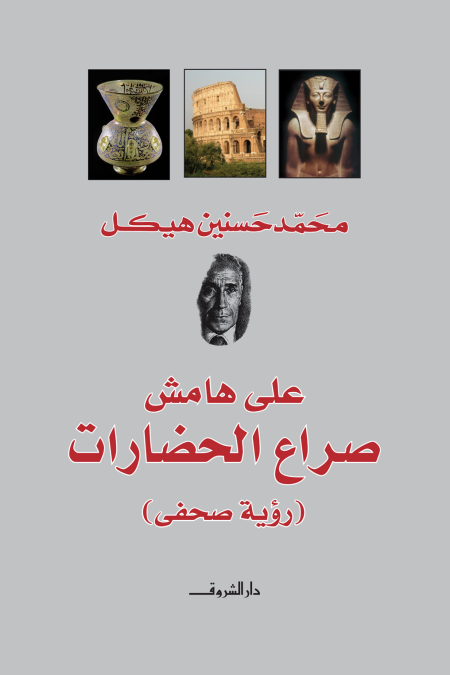
This work presents a profound analytical perspective on the interactions between East and West from a political and historical angle, tracing the roots and contexts of modern tensions. It offers a critical reading of international events and their repercussions on the Arab world.
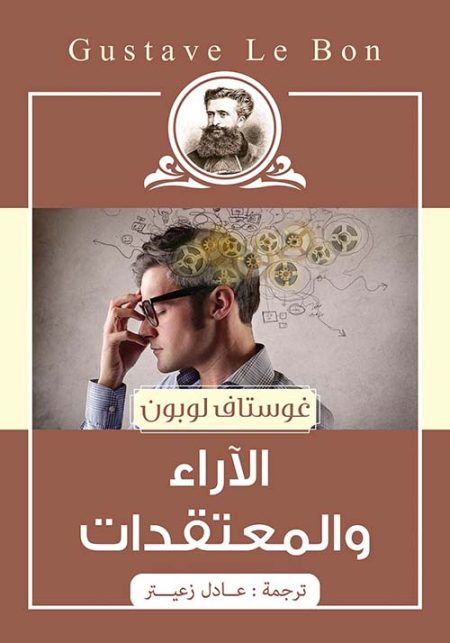
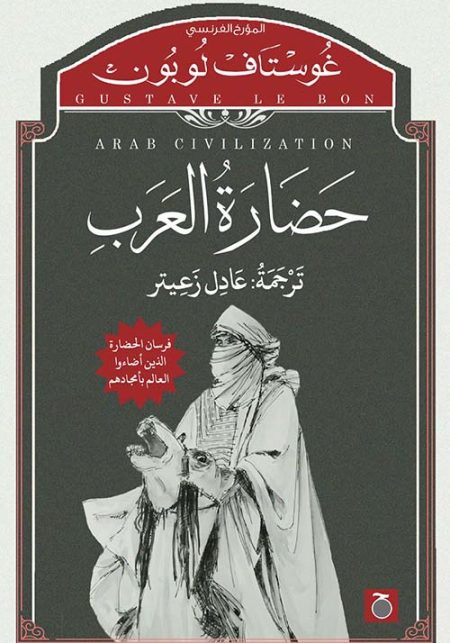
The book explores how beliefs and opinions are formed within societies, and how psychological and social factors influence their formation, consolidation, or change, along with an analysis of the nature of the collective mind and its role in guiding human thinking.
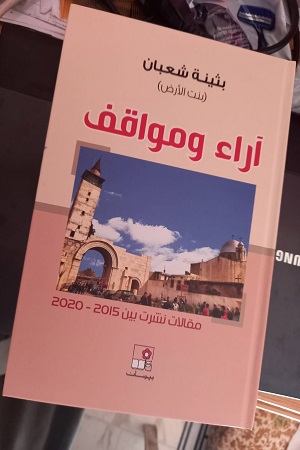
A collection of political and intellectual articles that address the most prominent transformations and events in the Arab region and the world during turbulent years, and present positions and analyses that reflect a critical vision of international and regional issues.
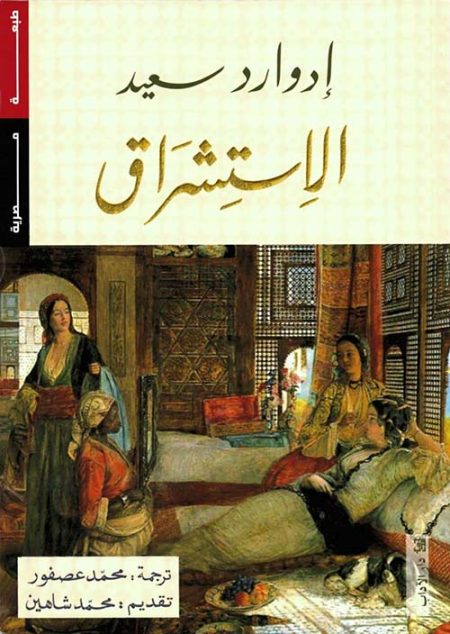
A critical intellectual study that reveals how the West has shaped its image of the Orient over centuries of cultural and political domination, analyzing the relationship between knowledge and power in colonial discourse.
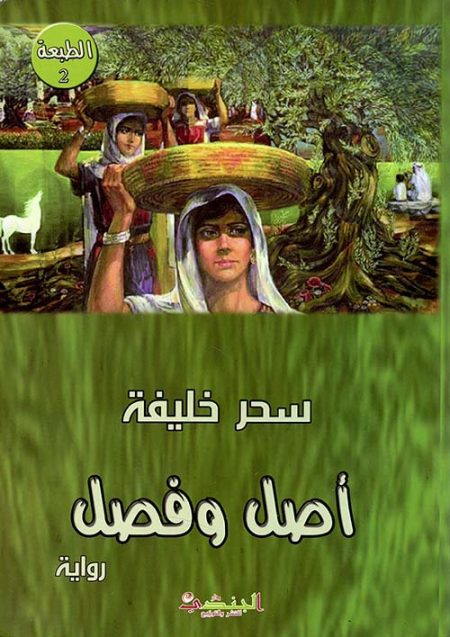
This novel explores the transformations of Palestinian society through intertwined characters who reflect the struggle for identity, class, and women’s rights under the pressure of occupation and social realities. The text reveals the contradictions within the human psyche between clinging to one’s roots and striving for change.
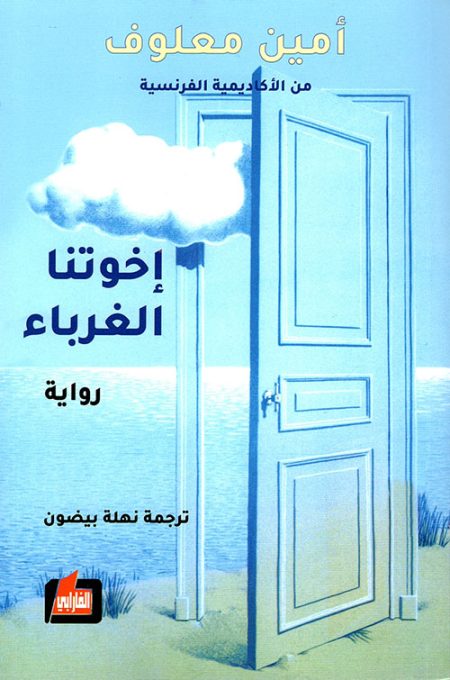
This work reflects on the profound transformations affecting identities and relationships between people, revealing the fragility of human bonds in the face of political and cultural upheaval, and shedding light on the question of belonging in a turbulent world.
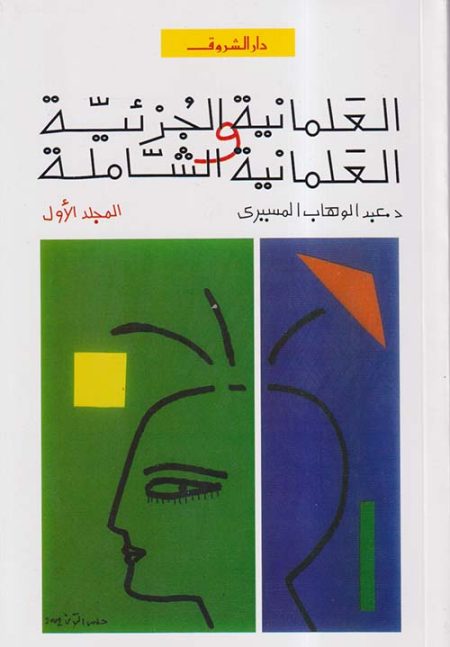
This intellectual study explores the concept of secularism and its transformations in modern societies, analyzing the differences between partial and comprehensive secularism and their impact on values, culture, and human identity.