962-7983-18423+
24/7 دعم

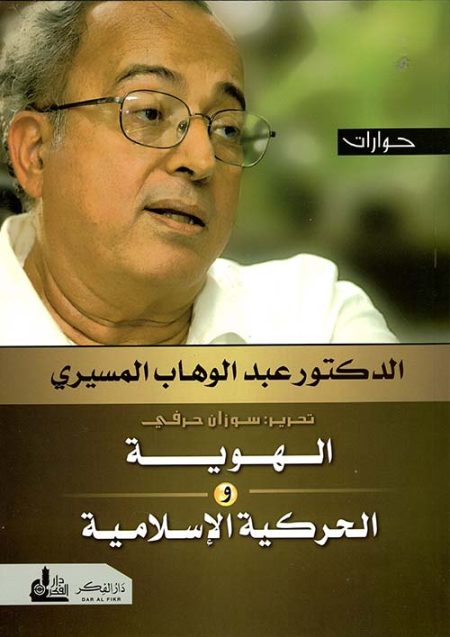
He discusses issues of identity in the modern context and its relationship to Islamic movements, with a critical analysis of the development of concepts and the intellectual conflicts associated with them, and the impact of modernity on shaping cultural and religious consciousness.
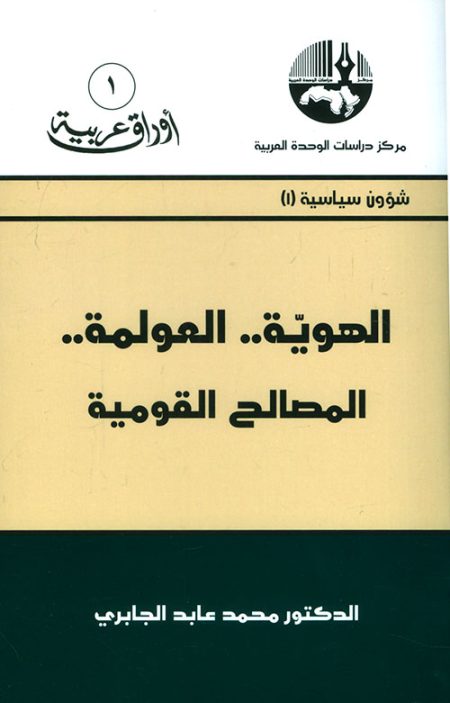
This book discusses the problematic nature of Arab identity in the context of globalization, exploring the relationship between cultural affiliation, national interests, and contemporary intellectual and political challenges.
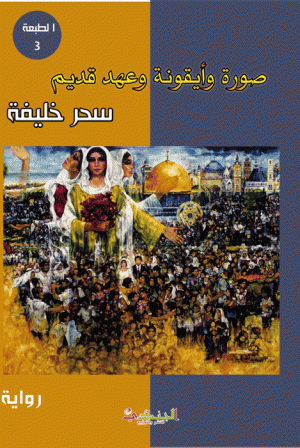
These reflective texts combine narrative and analysis, exploring memory, symbolism, and social and political transformations. They deconstruct the individual’s relationship to place and identity with concise language and profound critical insight.
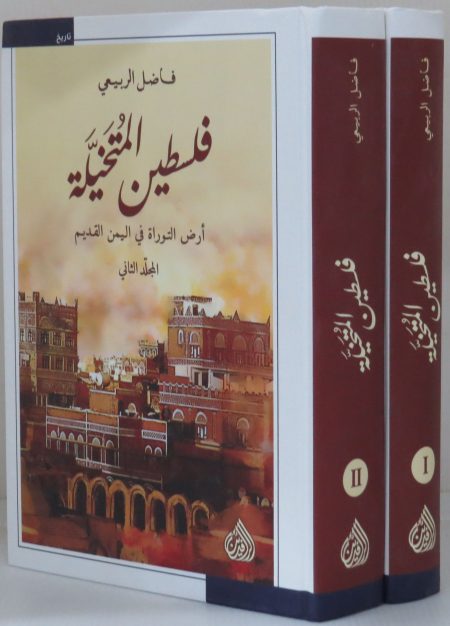
This historical study offers a different reading of ancient history, discussing the location of biblical events and figures by reinterpreting sources and texts and linking them to the geography of southern Arabia.
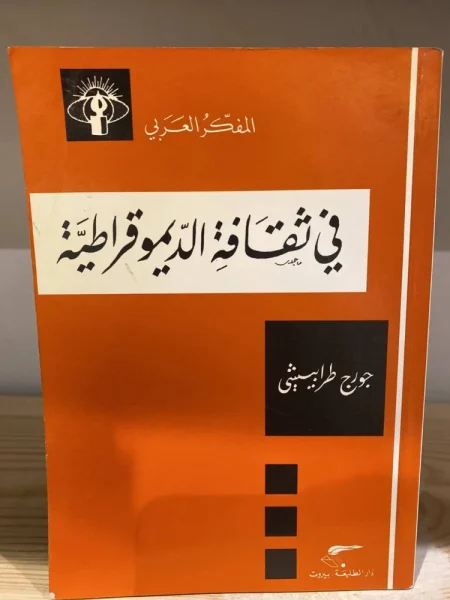
This book discusses the concept of democracy from a cultural and intellectual perspective, analyzing its relationship to the social structure and the Arab mind, while offering a critical analysis of the obstacles preventing its consolidation.
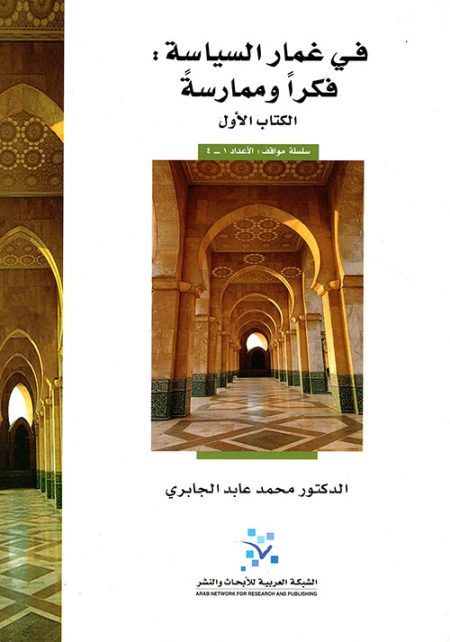
This book examines the Arab political and intellectual experience through articles, dialogues, and memoirs that reflect the development of political and cultural awareness, along with a critical reading of events and transformations in the Arab world.
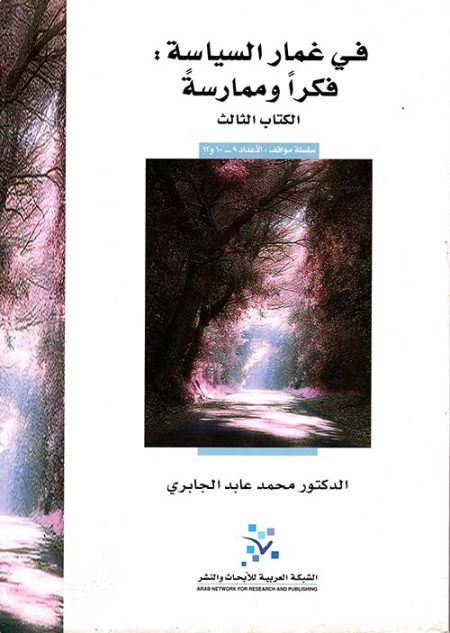
The book analyzes the Moroccan political experience, the shifts in power, and the political conflict during and after independence, offering a critical reading of the events and decisions that influenced the political and intellectual landscape.
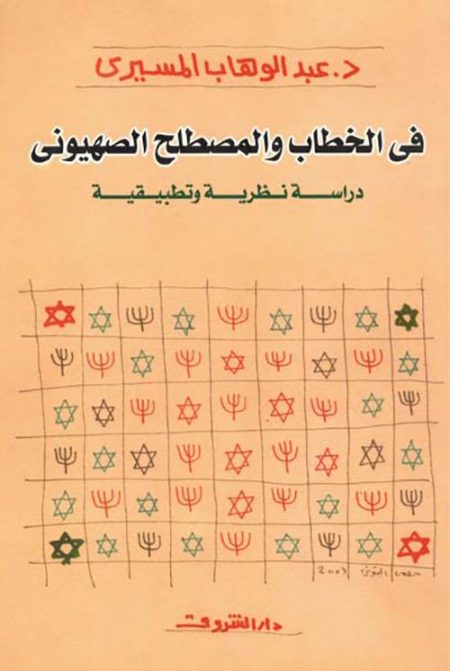
This analytical study examines Zionist discourse and its associated concepts, deconstructing the political and cultural terms and ideas that shaped Zionist thought and its impact on the Arab-Palestinian conflict.
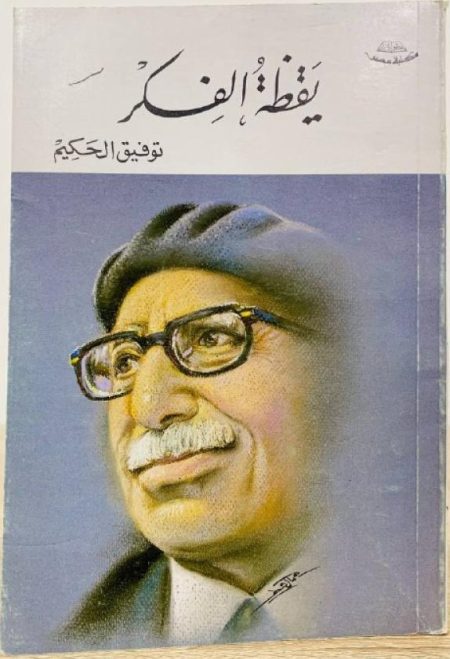
This collection of intellectual articles discusses issues of society, culture, and intellectual freedom in a deeply reflective style, presenting diverse perspectives on humanity, ideas, and social transformations.
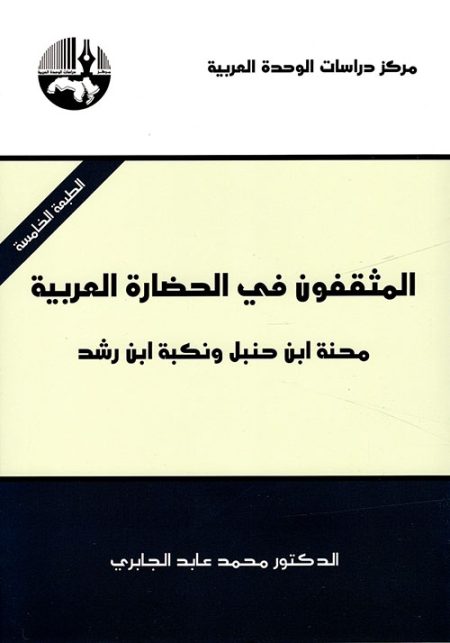
The book explores the relationship between intellectuals and authority in Arab-Islamic civilization through an analysis of the ordeals of Ibn Hanbal and the calamity of Ibn Rushd, revealing the conflict between thought and religious and political authority throughout history.
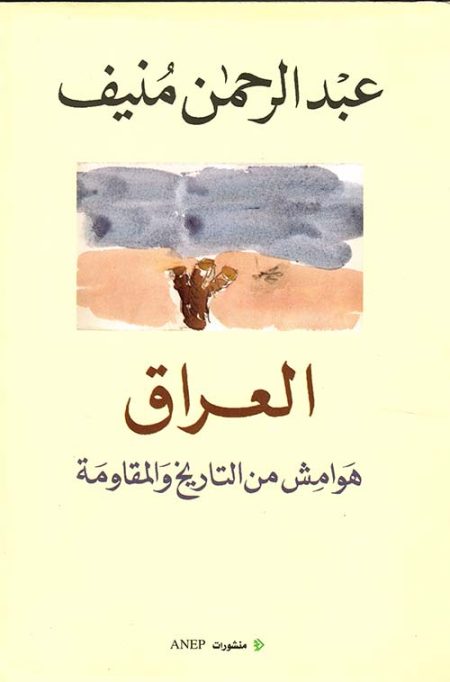
This book examines the history of Iraq from a human and militant perspective, reviewing key moments of conflict and resistance in a style that combines reflection with profound political analysis.
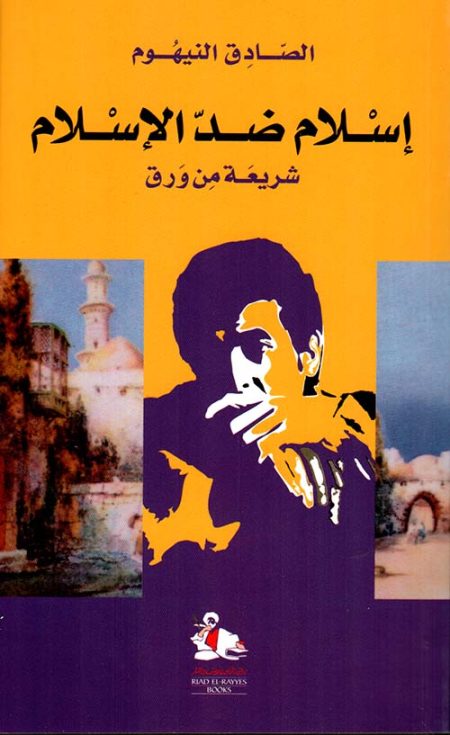
The book offers a bold and critical reading of religious thought as it is practiced socially, distinguishing between the essence of religion and the texts that have been transformed into tools of power and control. It poses provocative questions about the prevailing understanding of Islamic law and its relationship to reason, freedom, and humanity.
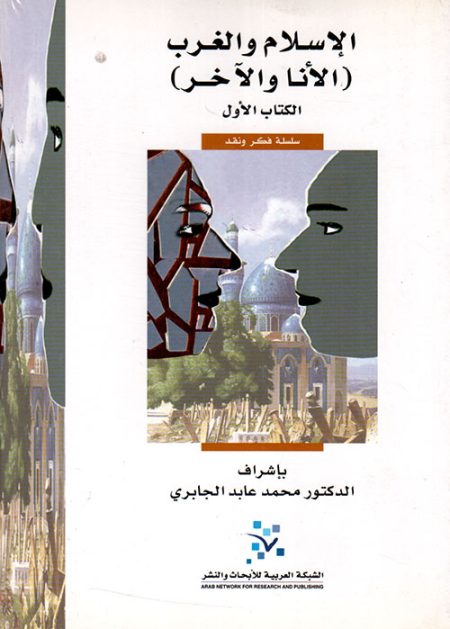
The book explores the nature of the intellectual and cultural relationship between Islam and the West, analyzing each side’s perception of the other throughout history, politics, and culture, while attempting to deconstruct the causes of the differences and the possibility of dialogue between the two civilizations.
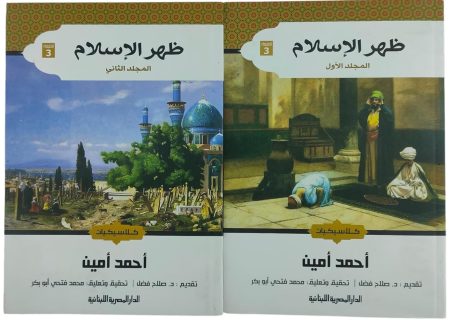
It addresses the development of Islamic civilization in its various intellectual, political, and social aspects, and reviews the flourishing of science and culture and their impact on the formation of Islamic society throughout the ages.
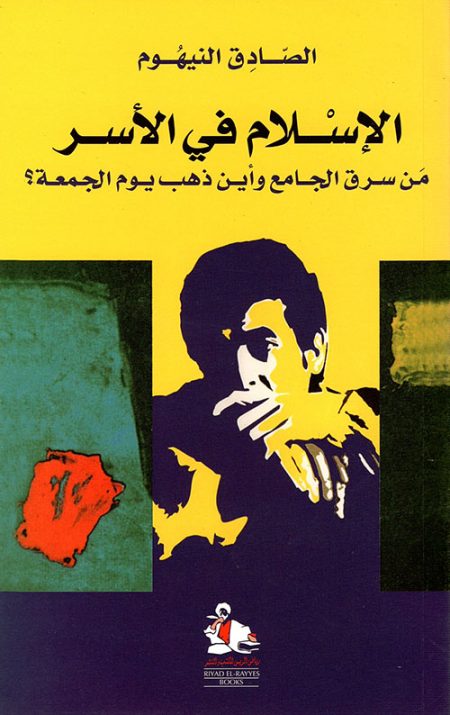
It is a critical intellectual text that re-examines questions of religion, society, and rituals from a bold, rational perspective, deconstructing prevailing assumptions with language that is sometimes satirical and at other times shocking. This opens the door to discussion about the role of the religious institution and its relationship with humanity, power, and public awareness.
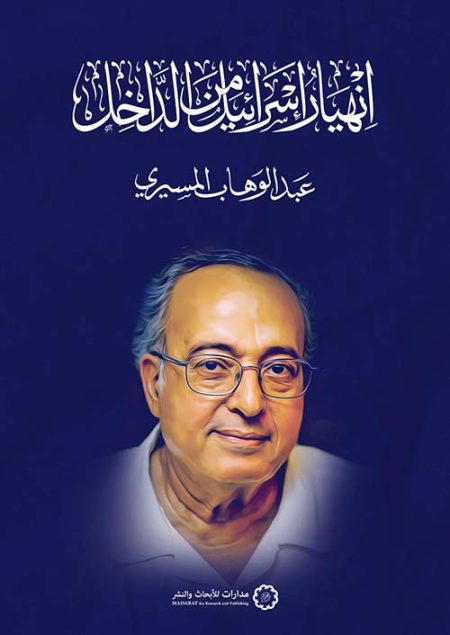
This analytical study examines the internal structure of Israeli society from political, social, and economic perspectives, exploring the factors of contradiction and potential disintegration within the Zionist project and the mechanisms of its continuation or collapse.
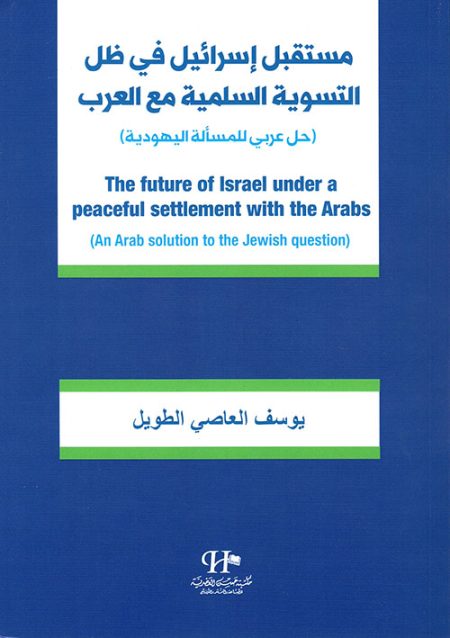
This section discusses the political transformations related to the Arab-Israeli conflict, the prospects for a peaceful settlement, and its future implications for the region, while analyzing its regional and international dimensions.
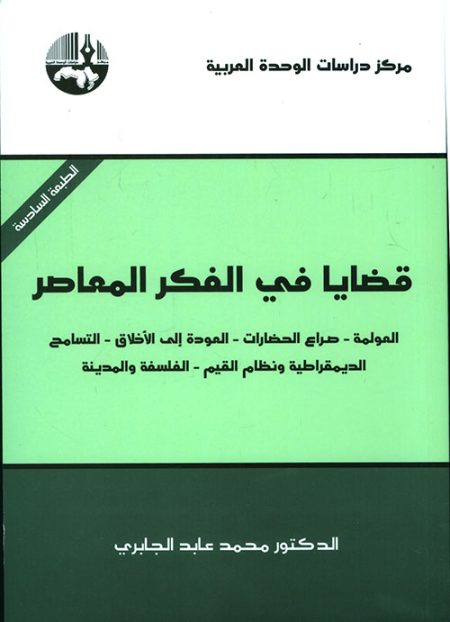
This book discusses the most prominent issues in contemporary Arab thought, such as globalization, democracy, and the clash of civilizations, with a critical reading that connects philosophy to the Arab cultural and political reality.
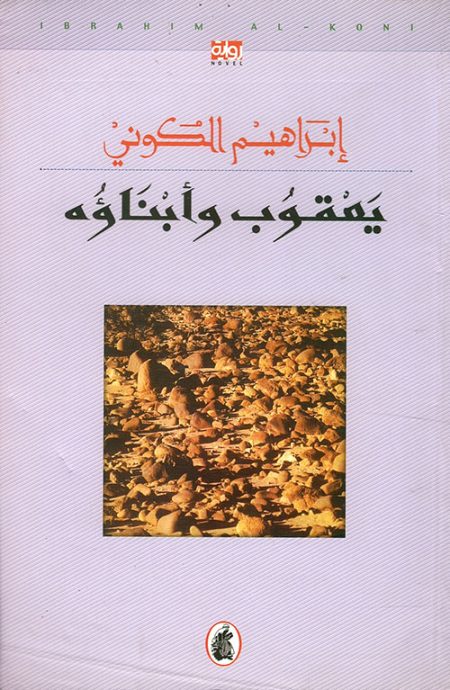
The novel revolves around the struggle for power and influence within a world ruled by intrigue and conspiracies, evoking tales of kings and Mamluks in a symbolic historical setting, to raise questions about governance, greed, and the fate of humanity.
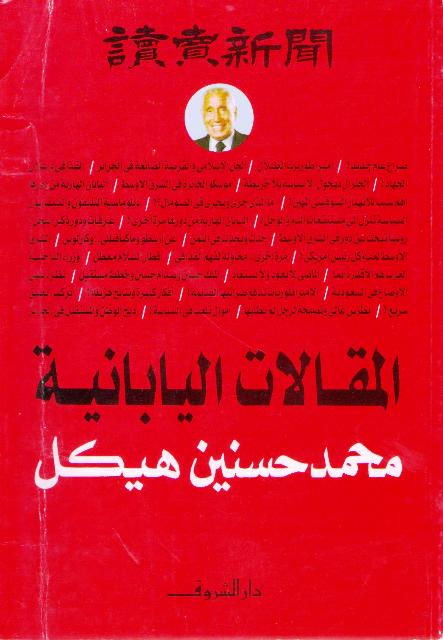
This collection of analytical articles explores political and cultural observations from Japanese society, offering an in-depth perspective on the nature of the contemporary Japanese experience. The work presents reflections on Japan’s renaissance and its relationship to global transformations.