
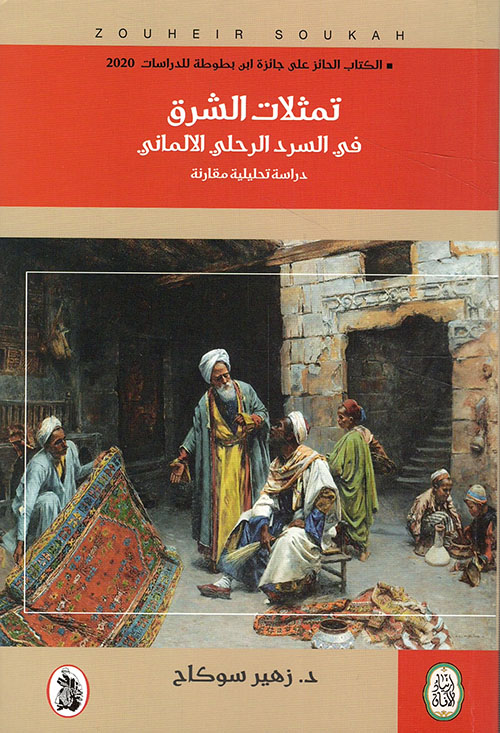
Description
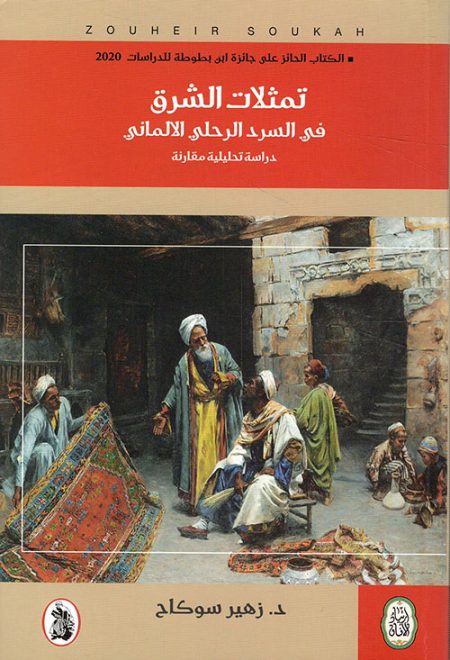
This study proceeds from two fundamental hypotheses. First, it argues that nineteenth-century German Orientalism was no less imperialistic or hegemonic than other Western forms of Orientalism. Contrary to the characterization suggested by Edward Said—who implied a more “scientific” nature for the German tradition—this study posits that German Orientalism, much like its French and English counterparts, was inherently colonial and imperialistic, clearly reflecting a German drive to exert dominance over the non-European “Other.”
Second, the study observes a persistent continuity of this hegemonic Orientalist thought within German-speaking countries, even into the era termed “post-colonial.” It contends that this mode of Orientalist thinking remains embedded in the German context to this day—well into the third millennium—and can be discerned within contemporary German travel literature, despite the fact that the colonial era ended globally decades ago.
To examine these hypotheses, this study—for which the author was awarded the Ibn Battuta Prize for Travel Literature (in the “Studies” category)—deconstructs the discourse in question across three main sections. The first section explores the ideological foundations of Orientalism and their historical evolution. The second section examines European travel literature—including the German tradition—as a distinct literary genre, tracing its development, defining characteristics, and its profound, intrinsic connection to the phenomenon of Orientalism. Drawing upon these theoretical premises, the third and final section of this comparative study presents an analysis of a selection of German travelogues—spanning from the nineteenth century to the early twenty-first century—to test the study’s hypotheses.
The researcher was deservedly awarded a prize for this work, which is distinguished by its objective approach, scholarly competence, methodological clarity, innovative treatment of the subject matter, and a broad, insightful perspective in its analysis and conclusions.






Reviews
There are no reviews yet.