962-7983-18423+
24/7 دعم

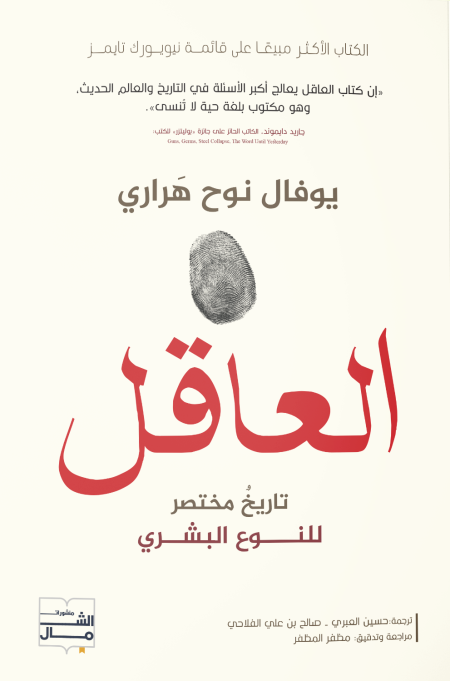
It offers a narrative of human history from its earliest beginnings to the modern era, tracing the evolution of societies, ideas, and forces that have shaped human civilization. It integrates history and anthropology to understand the trajectory of humankind and its major transformations.
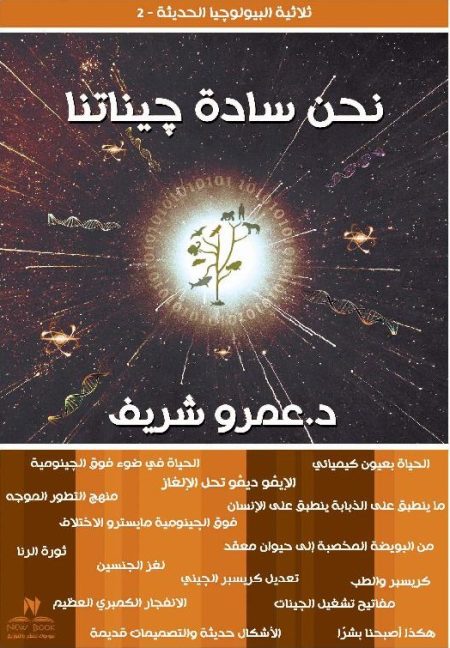
This book discusses the relationship between genes and humans, emphasizing the role of will and consciousness in guiding behavior away from genetic determinism. It presents an intellectual perspective that combines science and philosophy.
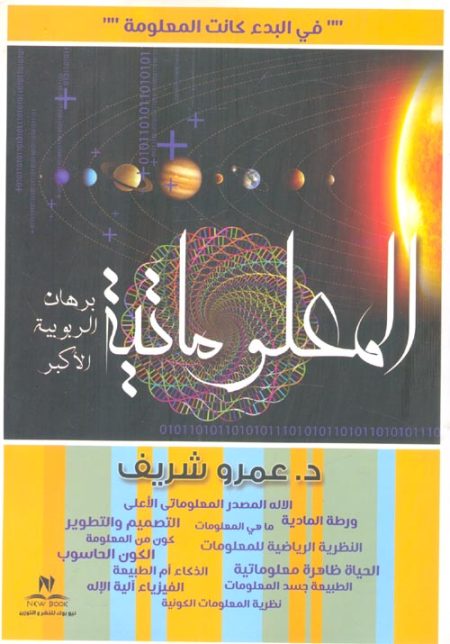
This book explores the relationship between information technology and the origin of the universe, presenting philosophical and rational arguments, through modern scientific concepts, that support the idea of a Creator who organized the universe.
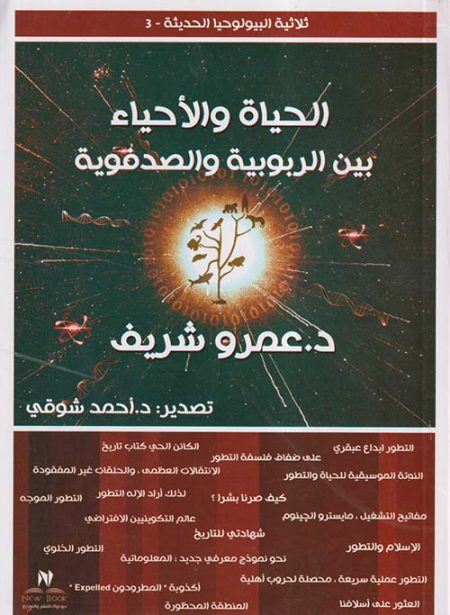
This book discusses the relationship between the origin of life and living beings, between the faith-based interpretation of creation and the materialist conceptions that attribute it to chance and evolution, with a scientific and intellectual presentation of the opposing arguments.
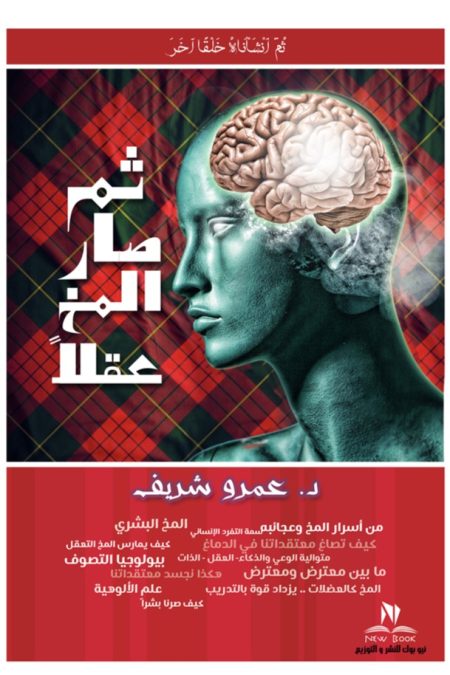
It discusses the relationship between the brain and the mind from a scientific and philosophical perspective, and shows how mental abilities are formed through the interaction between the neural structure and human consciousness.
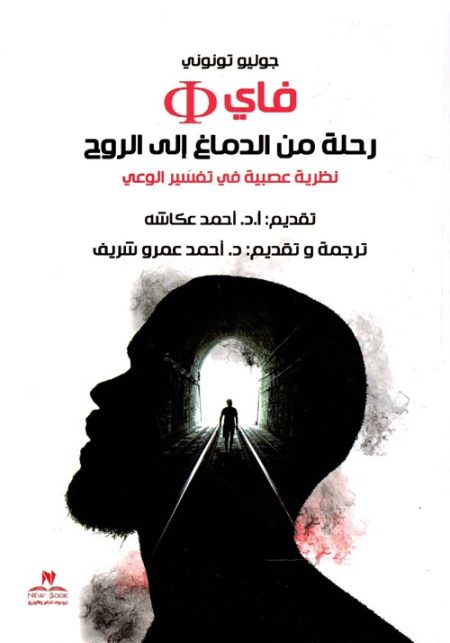
This intellectual and scientific journey explores the nature of human consciousness and how it arises in the brain, through a literary narrative that blends neuroscience and philosophy to delve into one of humanity’s most complex mysteries.
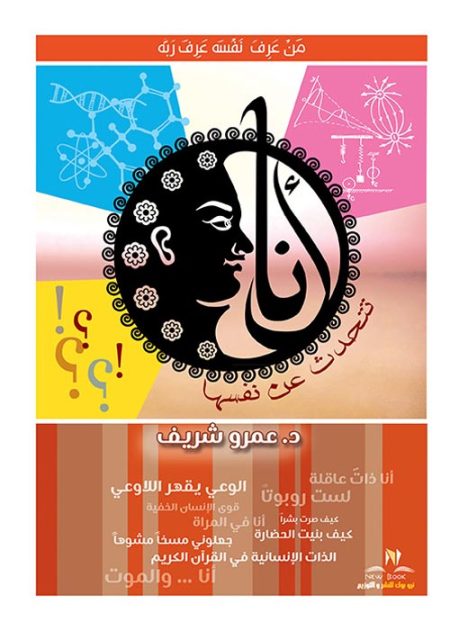
This book explores the true nature of the human self and its relationship to the mind, spirit, and will, blending scientific perspectives with religious and philosophical thought to arrive at a deeper understanding of the soul and the meaning of human existence.
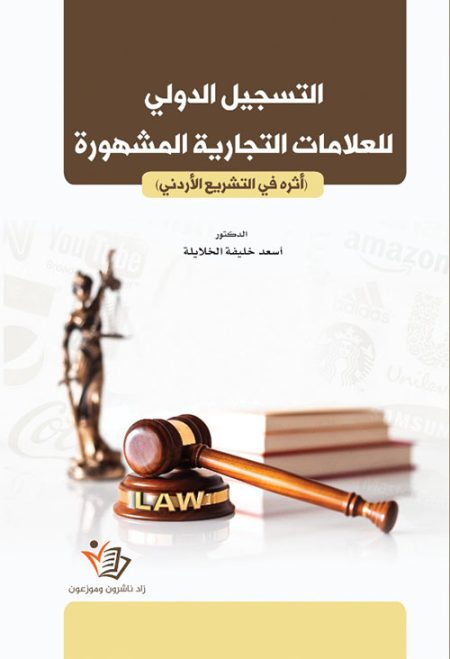
The book deals with the mechanism of international registration of famous trademarks and its impact on Jordanian legislation, with an analysis of relevant international agreements and a statement of registration procedures, legal protection and their implications.
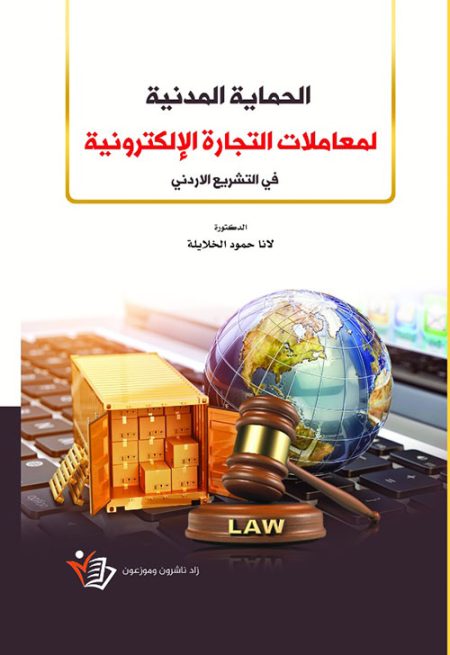
The book deals with the civil legal means that regulate and protect e-commerce transactions, with an analysis of Jordanian legislation related to electronic contracts, consumer protection, electronic dispute resolution methods and electronic arbitration.
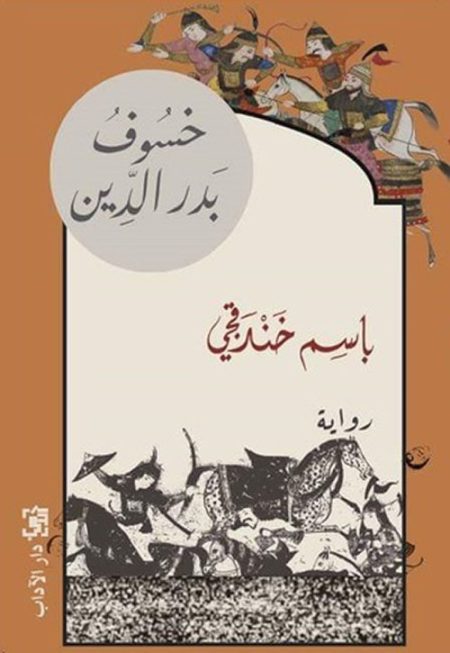
A novel set in a dense historical/symbolic atmosphere, exploring the inner transformations of the character and his struggle with fate and reality within a context charged with existential and identity questions.
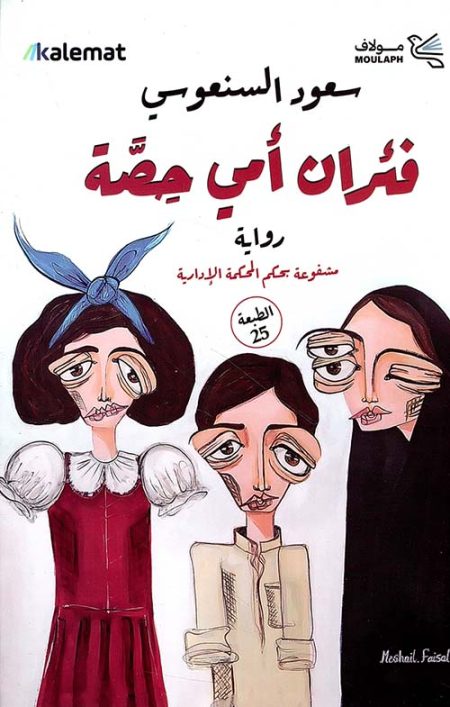
A novel that tells the story of a small community where human relationships are intertwined with sectarian tensions, and where daily life becomes a mirror of conflict, fear, and suspicion among the people of the same nation.
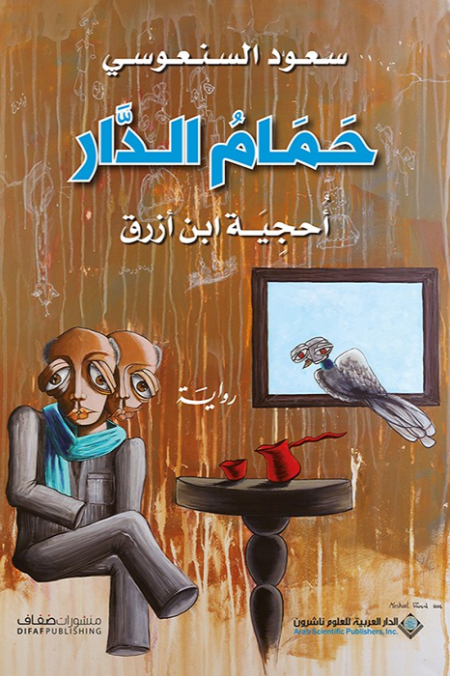
A collection of short stories that explores interconnected human worlds revolving around family, identity, and inner conflict, in a symbolic style that blends reality and imagination and poses deep existential questions.
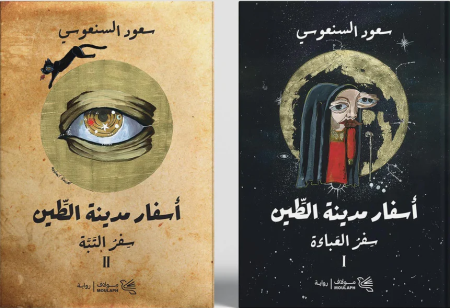
A novel that moves between reality and symbol, depicting the features of a harsh city where myth intertwines with daily life, and revealing the struggle of man with clay, power and identity in dense atmospheres and deep connotations.
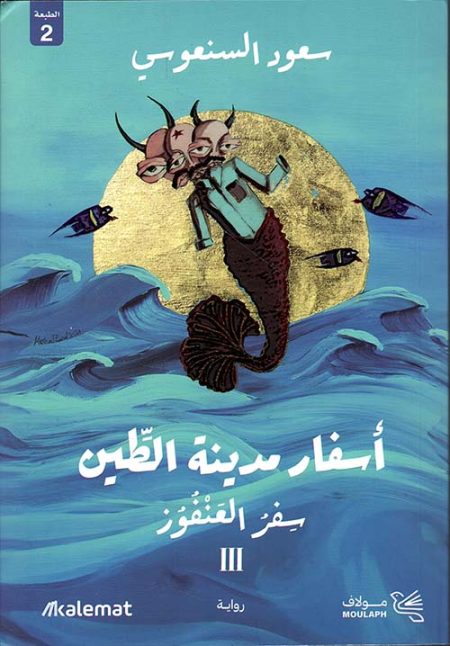
A mysterious narrative journey where symbolic worlds intertwine with harsh reality, revealing the tales of a city burdened by transformations and internal conflicts. The text delves into the human psyche and its fears, rebellions, and existential questions.
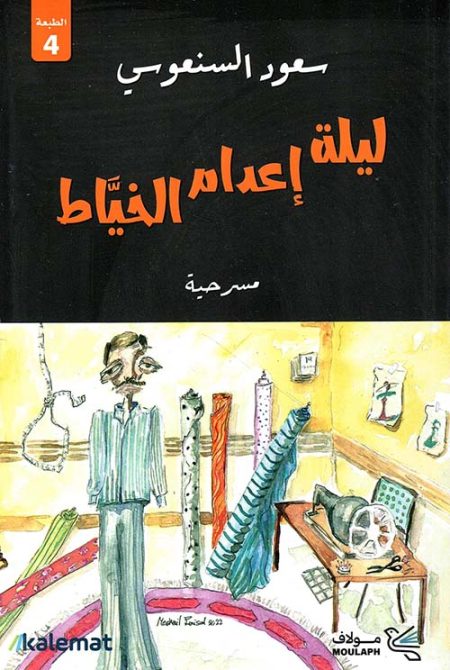
It is a dense narrative text that presents a human event charged with tension, highlighting a pivotal moment that reveals an internal conflict and profound psychological dimensions.
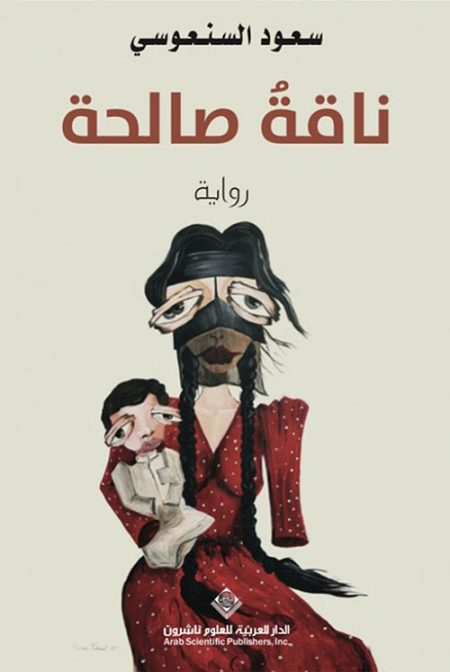
The novel takes place in the Kuwaiti desert at the beginning of the twentieth century, where a tragic love story intertwines with strict tribal customs, in a narrative that evokes desert life, the values of loyalty, and the conflict between the heart and tradition.
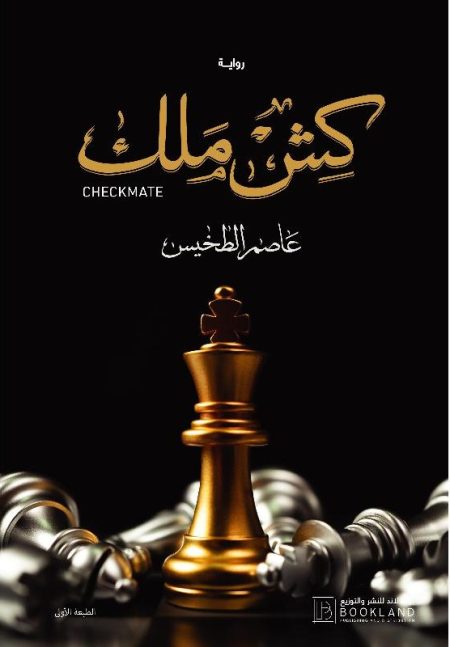
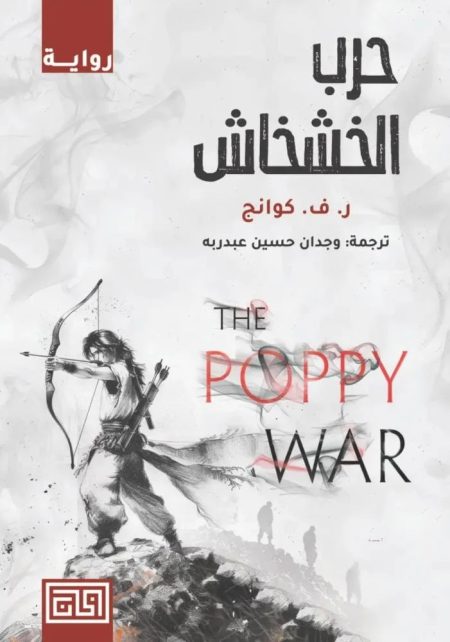
An orphan girl rises from poverty to an elite military academy, finding herself caught in the middle of a devastating war and dangerous magical forces, on a journey filled with conflict, ambition, and the high price of power.
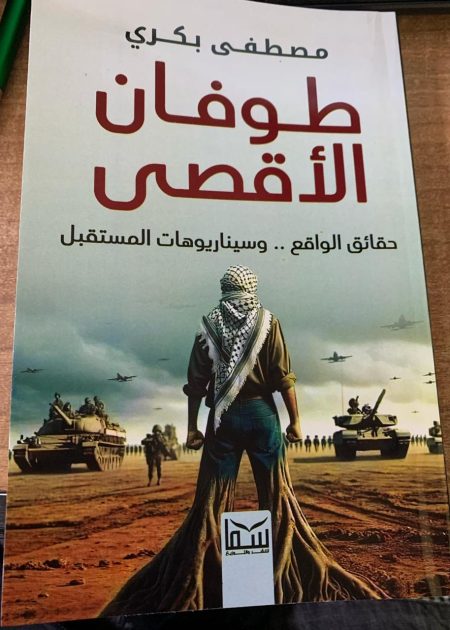
The book documents the events of the war on Gaza since October 7, 2013, addressing its daily developments and political and military repercussions, along with an analysis of potential scenarios and their impact on the region.
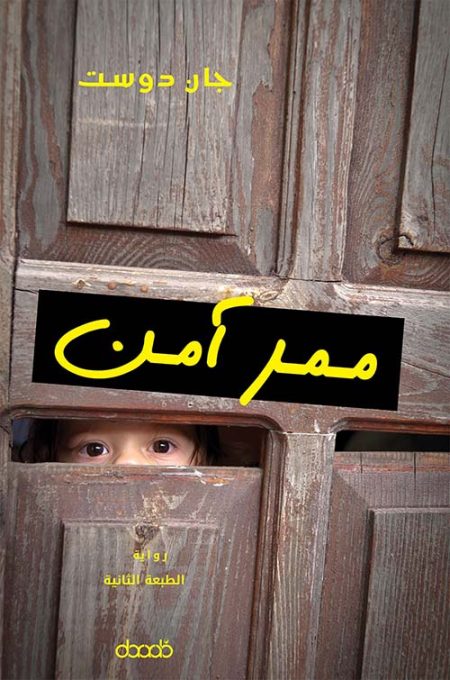
A novel that chronicles the tragedy of war and displacement through the eyes of a Kurdish child, in a painful journey that blends reality with imagination and reveals the effects of violence on childhood and humanity.