962-7983-18423+
24/7 دعم

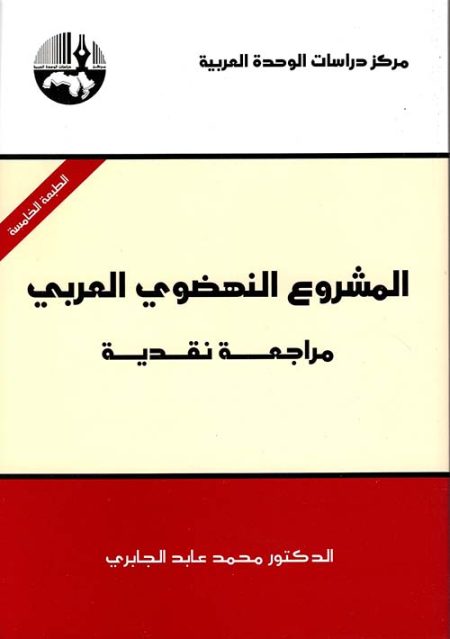
This book discusses the idea of Arab Renaissance from a critical perspective, analyzing the intellectual and political projects that attempted to build a modern Arab renaissance, while also examining the reasons for their setbacks and contradictions.

The book discusses cultural issues in the Arab world, their historical transformations, and their relationship to the social and political structures, while also analyzing the crisis of Arab cultural thought and ways to overcome it.
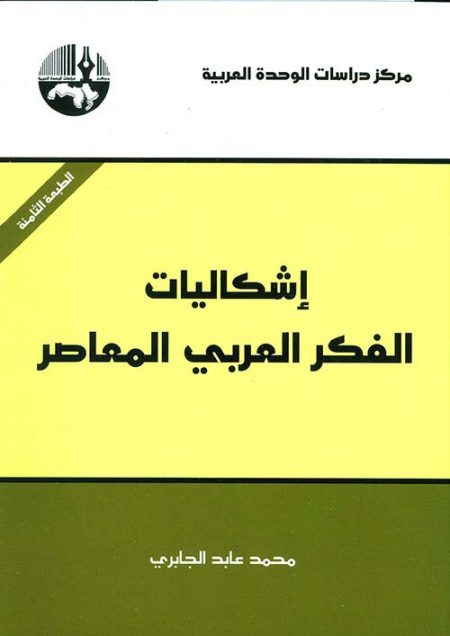
This book discusses the crises of modern Arab thought and its relationship to tradition and modernity, raising questions about identity, the Arab mind, and the possibility of building a contemporary intellectual project that combines authenticity and renewal.
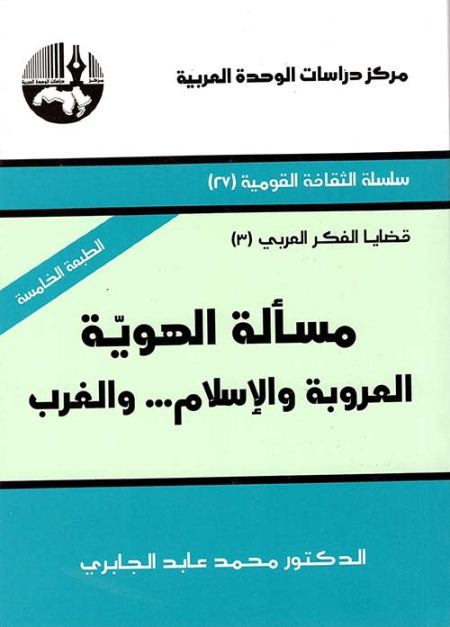
The book addresses the issue of Arab identity and its relationship to Arabism, Islam, and the West, through an intellectual framework that discusses cultural and political challenges and their impact on shaping contemporary Arab consciousness.
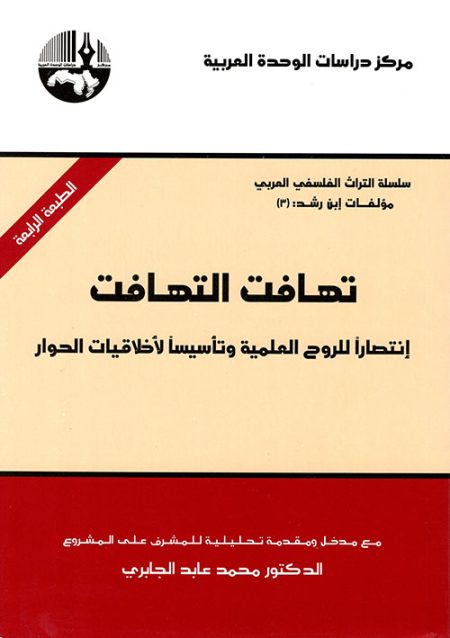
This book discusses Ibn Rushd’s philosophical thought as a defense of reason and the scientific method, emphasizing the importance of objective dialogue, acceptance of difference, and respect for differing opinions.
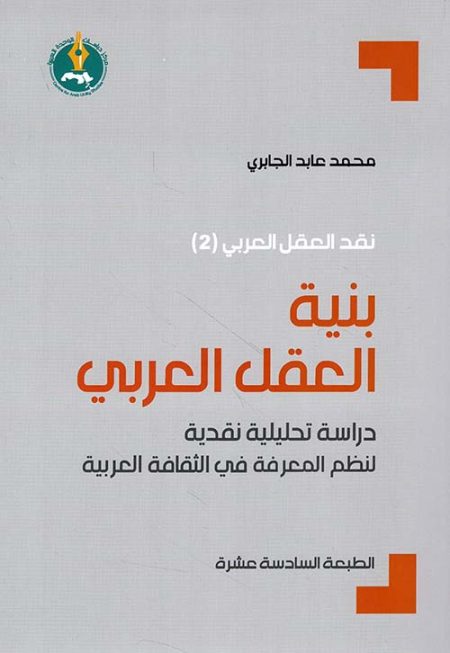
This intellectual and philosophical work analyzes knowledge systems in Arab culture, examining how the Arab mind was formed and its mechanisms for producing knowledge throughout history, while also critiquing prevailing intellectual frameworks.
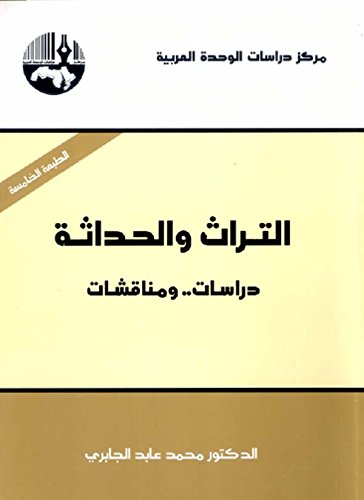
This collection of intellectual studies discusses the relationship between Arab heritage and modernity, exploring issues of thought, methodology, and cultural criticism through a profound philosophical and analytical approach.
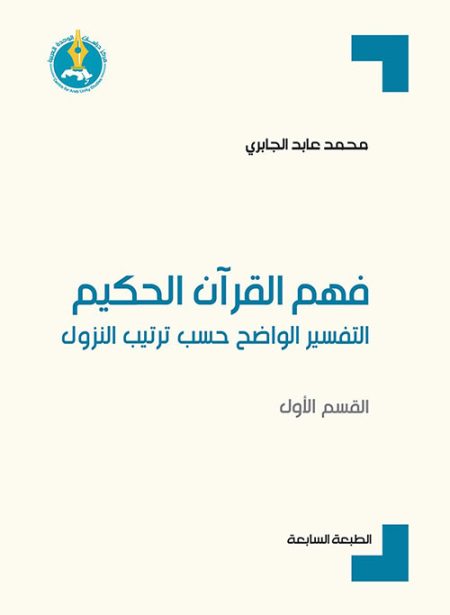
This contemporary interpretation of the Holy Qur’an adopts the order of revelation to understand the development of the Islamic call and connect verses to their historical and intellectual context in a clear and accessible manner.
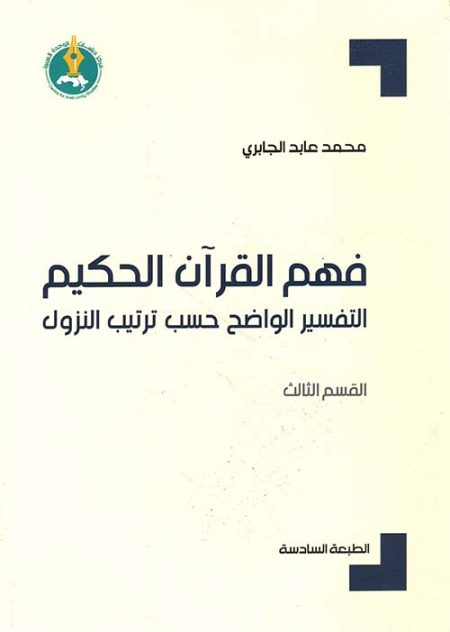
This contemporary interpretation of the Holy Qur’an adopts the order of revelation to understand the historical and thematic context of the verses, offering a clear analytical reading that connects the course of the Islamic call with the gradual revelation of the chapters.
This is a contemporary interpretation of the Holy Quran that adopts the order of revelation to understand the development of the Islamic call and the context of the verses, while offering a clear and accessible explanation that connects the Quranic text with the events of the Prophet’s life.
This is a critical intellectual study that rereads the Arab and Islamic philosophical heritage using a contemporary approach, discussing the relationship between the Arab mind and this intellectual legacy, and how to engage with it in a critical and analytical manner.
The philosopher Al-Jabiri believes that the Arab moral mind was influenced by five legacies:
1.The pure Arab heritage
2.The pure Islamic heritage
3.The Persian heritage
4.The Greek heritage
5.The Sufi heritage
Muhammad Abed Al-Jabiri believes that the origin of ethics is religion, and that reason stands behind moral judgment, as it is the basis of ethics in Islam. The Arab moral mind was exposed to the influence of political employment and the development of the concept until it reached the stage of establishing or what the writer calls “the ethics of obedience”, which crystallized with the Umayyad state in a way that serves “the unity of society and the state, inspired by the Persian heritage in particular.” He also explained the reasons for the dominance of Khosrowian values and the Persian heritage, whether at the cultural level or at the level of the structure of the state and the entity of society, in contrast to ignoring the Greek heritage, as in the texts of the philosophers Plato and Aristotle, and the medical human tendency in ethics, one of the most important pioneers of which was Ibn Al-Haytham, and also the limited influence of the philosophical tendency represented by Ibn Rushd and Ibn Bajjah, despite their cognitive importance and their criticism of the ethics of obedience, and the fog of the Sufi tendency prevailed, which tried to escape from positive resistance to negative resistance. The writer elaborated on drawing the manifestations of the moral crisis at various levels in Islamic societies resulting from this influence, where the system of the sheikh and the disciple dominated, and its owners completed their moral path, as they moved from the annihilation of ethics to the ethics of annihilation and the dropping of legal obligations.
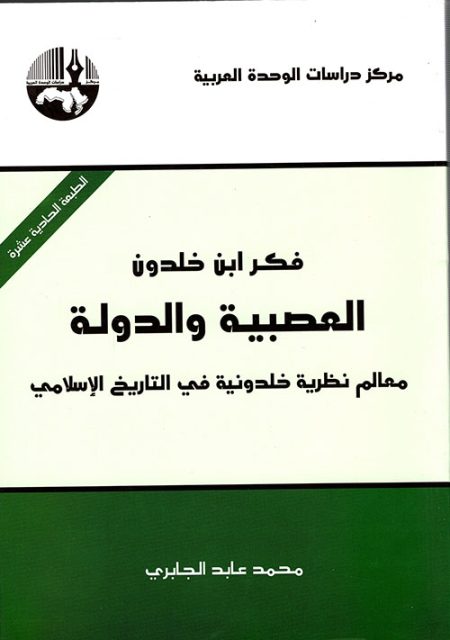
The author of the book states that after spending ten years in the company of Ibn Khaldun’s Muqaddimah, he concluded that: There are still many angles that need more research despite the many studies and writings about Ibn Khaldun and his most famous book, the Muqaddimah. He also concluded that corrections must be made to return Khaldunian thought to its original framework and preserve its entirety and true identity. And its readings according to the circumstances of his social experience, his personal concerns, and his modern context.
He also pointed out through his research the methodological error that many of Ibn Khaldun’s admirers have fallen into, and we mean by that looking with the eye of the present, and starting from contemporary thought, to the opinions and theories mentioned in the Muqaddimah in social, political, and economic affairs. As well as understanding his terms and expressions in a way that deviates from his purpose, and distances them from the scope of his interest and the molds of his thinking. In his view, most Khaldunian studies rarely look at Khaldunian thought as a whole, but rather they often look at his opinions in this field independently and separately from his opinions in other fields.
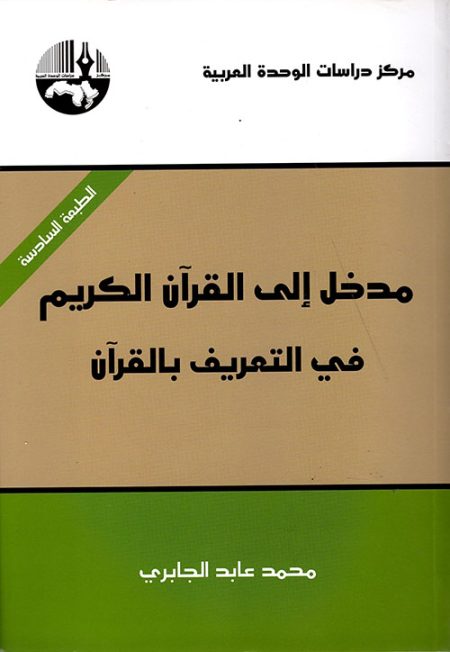
The author confirms that the writing of this book came in response to the circumstances after September 2001, and his desire to introduce the Holy Quran to Arab, Muslim and foreign readers as well