
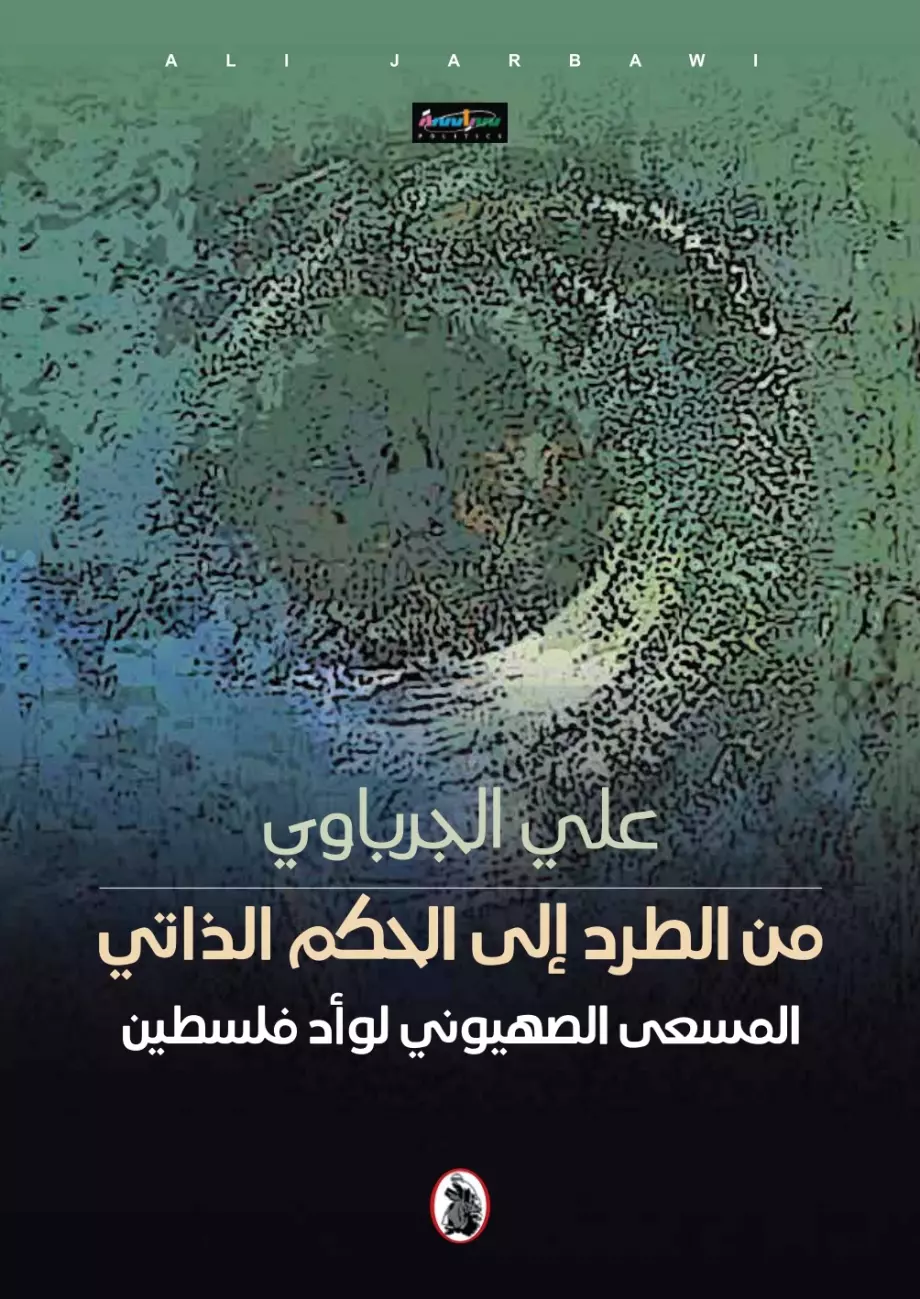
Description
This book examines the Arab-Zionist conflict, focusing on the Zionist movement’s persistent efforts—from its inception to the present day—to expel Palestinians, erase them from the geography, and excise them from the memory and history of the region. Such actions are presented as a fundamental prerequisite for the success and sustainability of the imperialist Zionist project. The book further explores various political settlement proposals and the ideas put forward by Israel for managing the Palestinian population following the failure to expel them entirely. It highlights the concept of “autonomy”—an approach that emerged alongside the initial Zionist infiltration of the country, intensified following the 1967 *Naksa* (setback), and eventually became the central pillar—and the absolute upper limit—of Israeli strategic thinking, particularly in the wake of the Camp David Accords.
The book is premised on the argument that the Zionist movement achieved a significant and decisive victory in the 1948 war—known as the *Nakba* (catastrophe)—by occupying three-quarters of Palestine and displacing the majority of its population. Yet, this success was incomplete. In the 1967 war—the *Naksa*—the movement achieved further gains, completing its occupation of the entirety of Palestine, as well as other Arab territories, including the Sinai Peninsula and the Golan Heights. However, this success—which proved far easier to attain than anticipated—plunged the Zionist project into a profound historical and strategic dilemma. This dilemma has posed, and continues to pose, an existential threat to the Zionist enterprise—one that could ultimately lead to its failure and collapse—stemming from the movement’s inability to expel the Palestinians from their land, as the latter had learned a critical lesson from the *Nakba*. Thus, whereas Israel had initially been compelled to deal with the Palestinians who remained in the territories occupied during the first phase—whom it viewed merely as a demographic minority—the second occupation forced it to contend with a much larger Palestinian population. This group could no longer be dismissed as a mere minority, having successfully asserted itself as a people demanding their political and national rights, and struggling with steadfastness and strength against the occupation.

Reviews
There are no reviews yet.